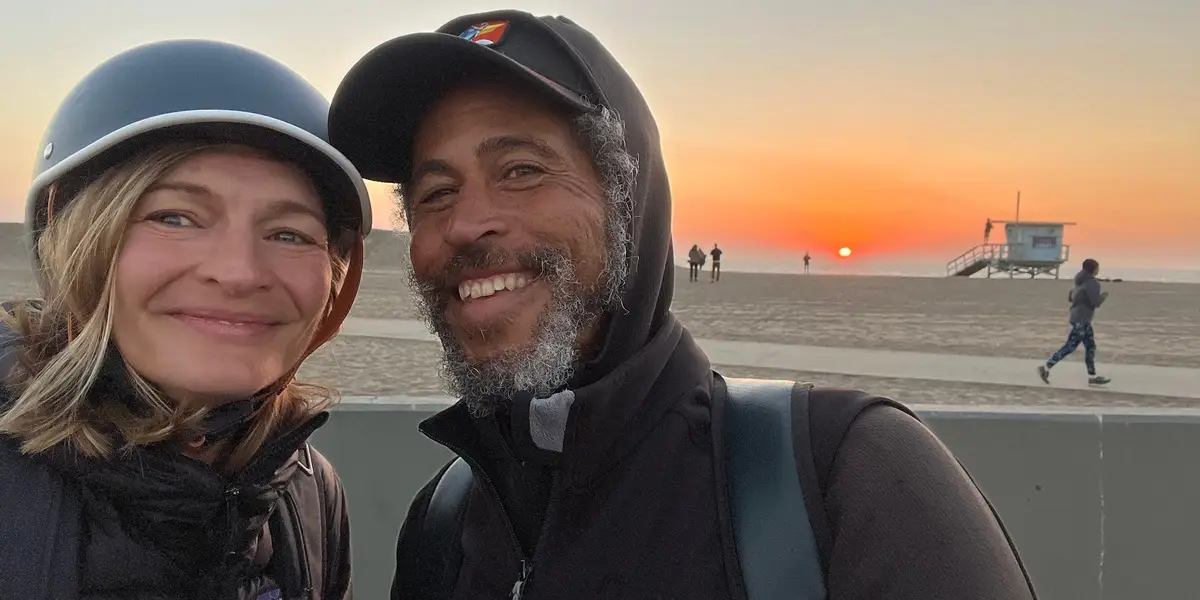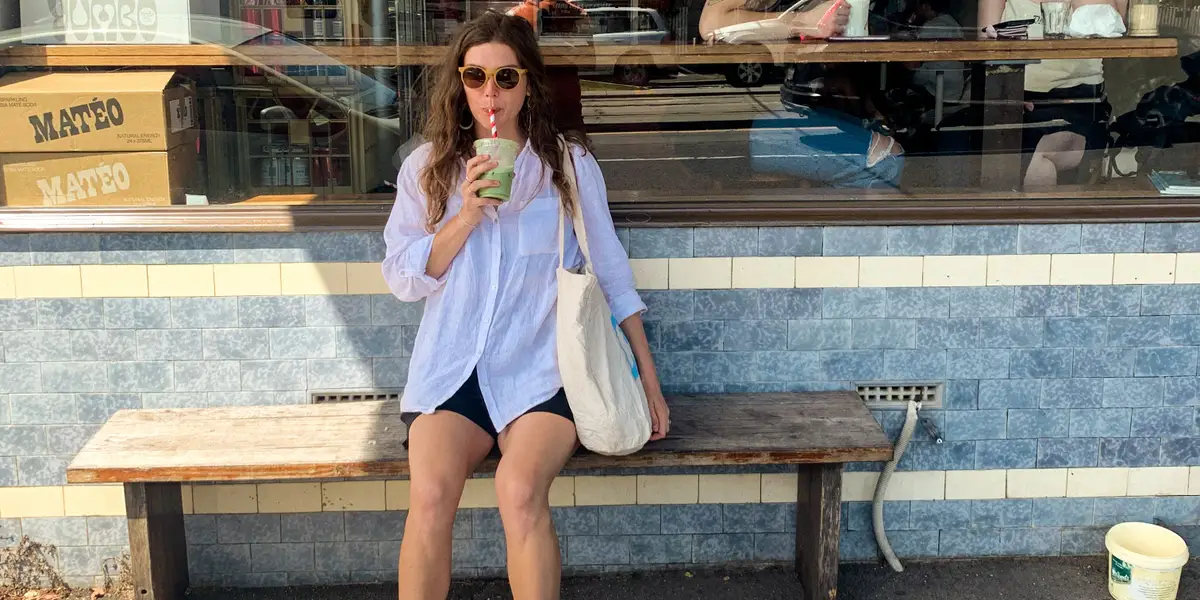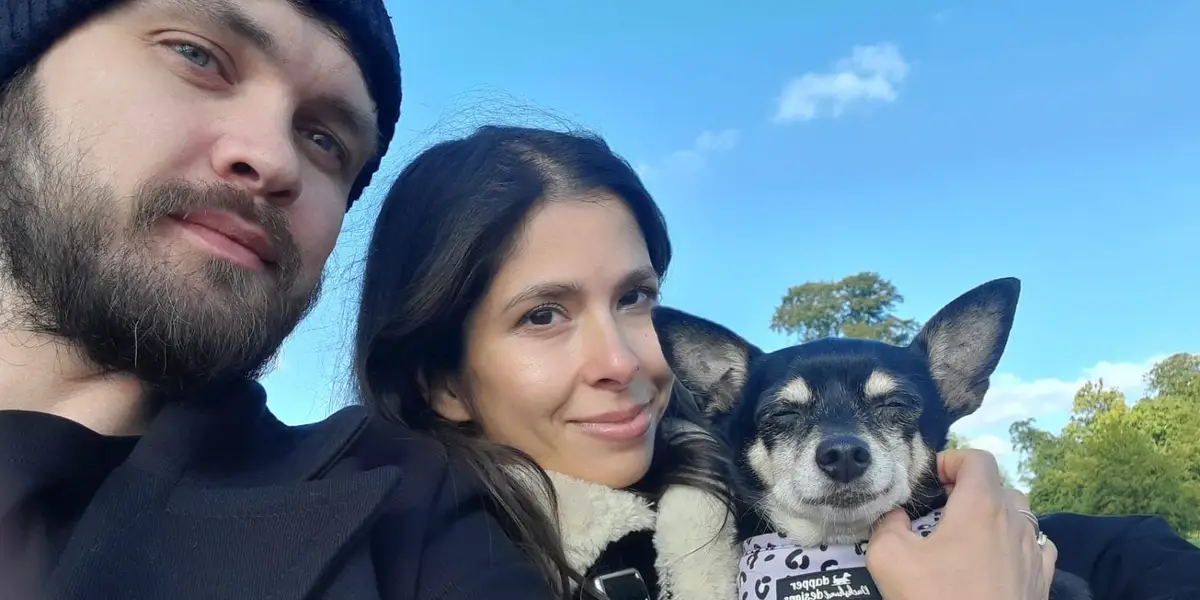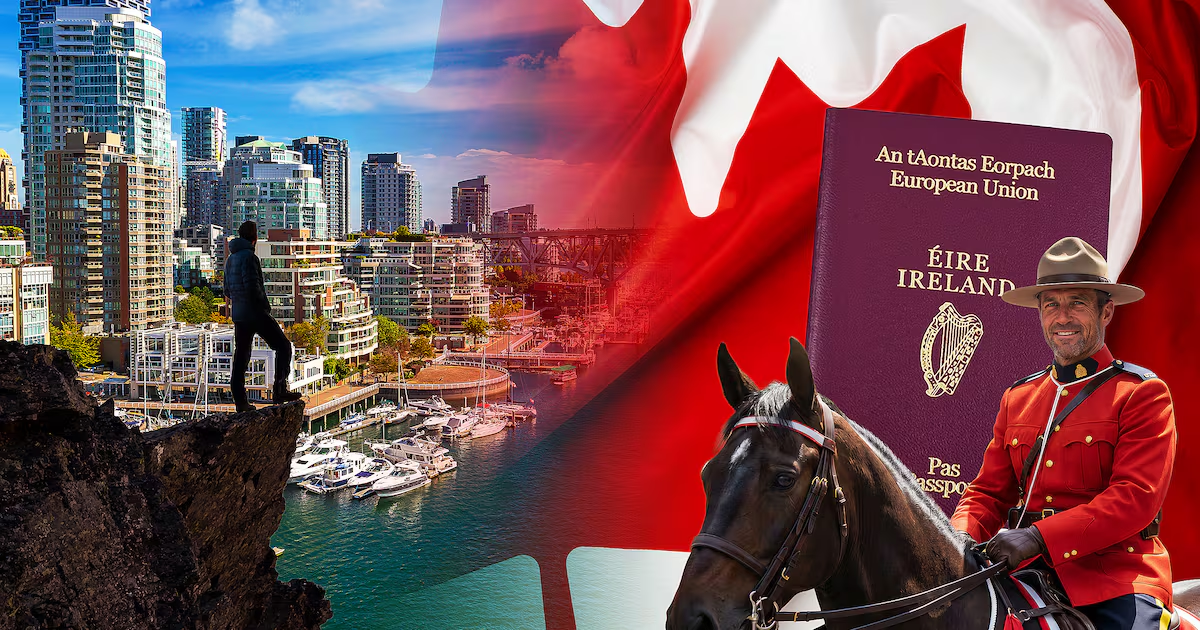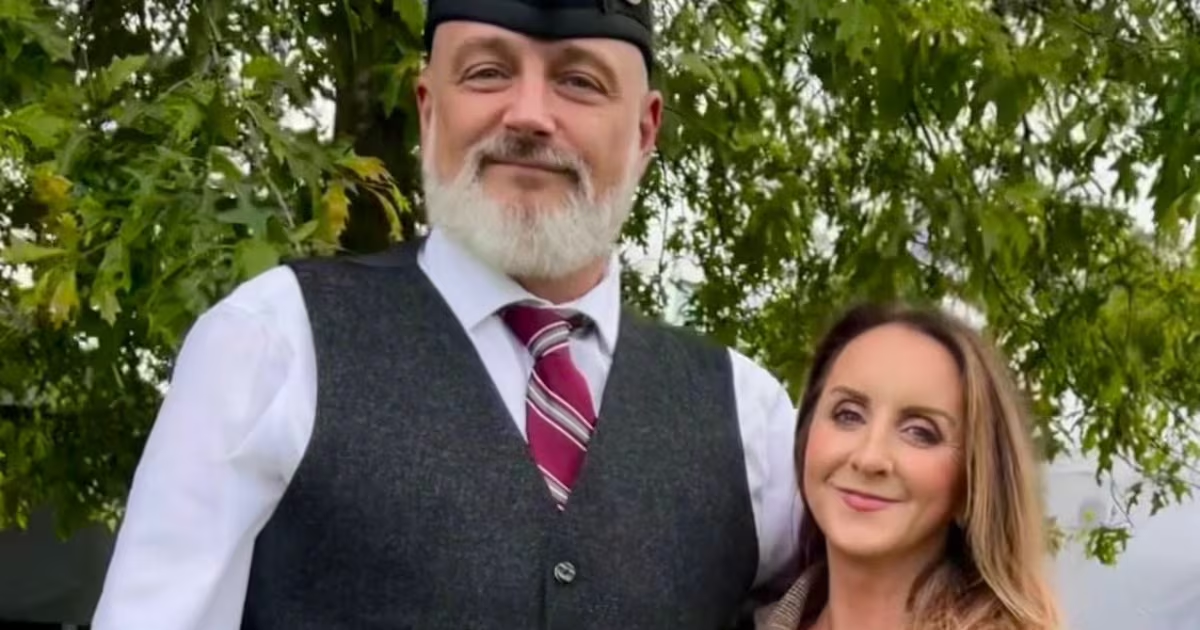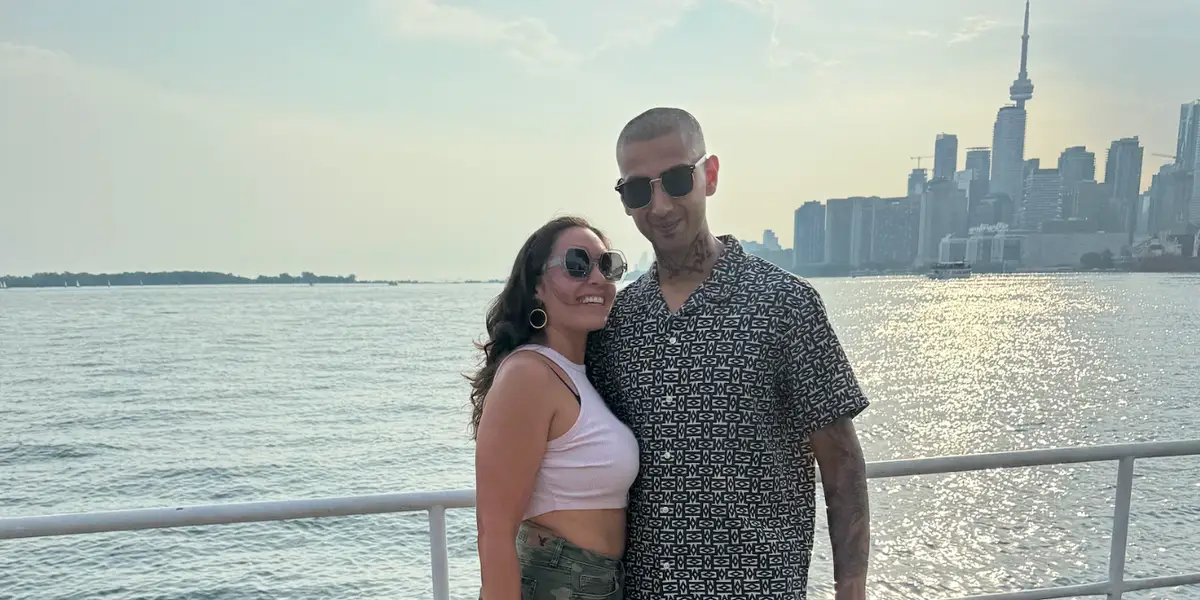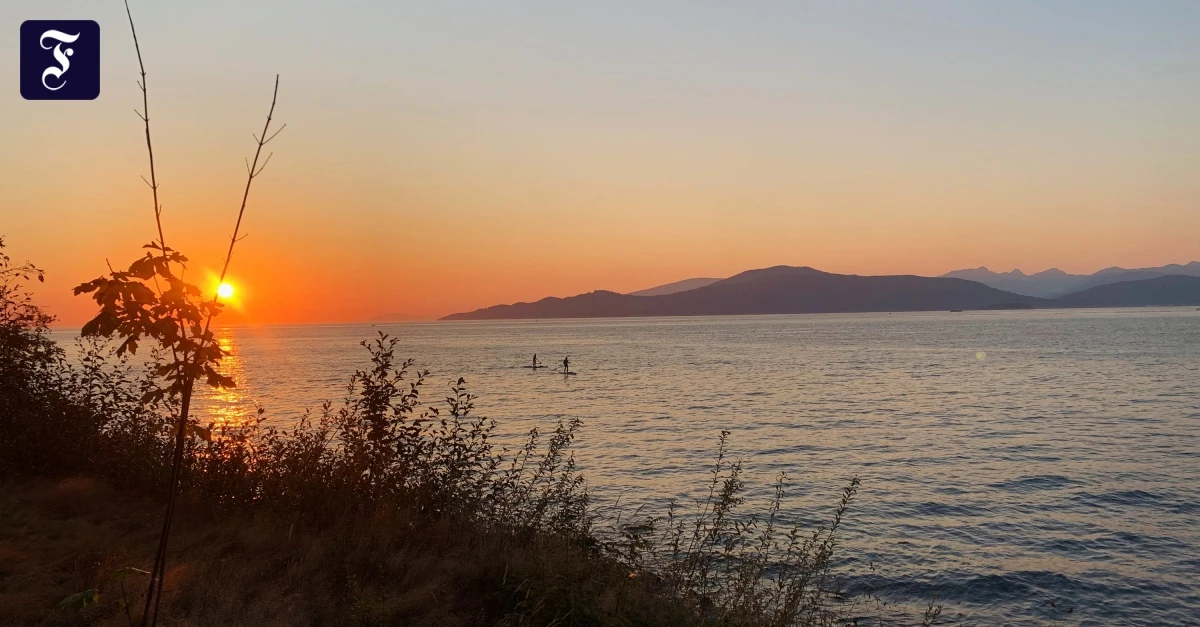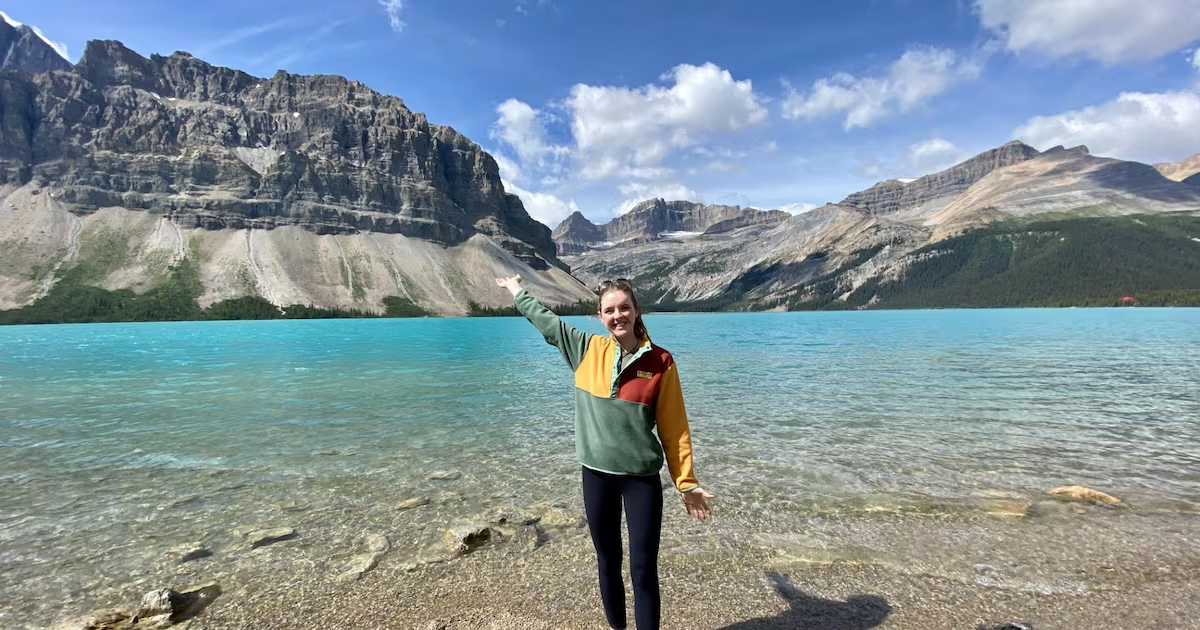
Doireann Ní Siochru from Blackrock, Co Dublin offers her perspective on moving to Canada. You can read our Everything You Need to know guide here.Why did you moved to Canada? I moved to Vancouver because I always felt a little different, like I didn’t fully fit in. Looking back, I think I hadn’t yet discovered who I was or what I wanted from life.Leaving home and moving here on my own was a big step, but I wanted to challenge myself and understand what I’m capable of achieving.This move wasn’t just about changing location; it was about personal growth. Vancouver, in particular, offered the perfect mix of opportunity, lifestyle and adventure, which really appealed to me.Since moving in July 2024, it has been one of the most transformative experiences of my life.How was the visa process?I am on a working-holiday visa through the International Experience Canada (IEC) programme, which is issued as an Open Work Permit (swanky-looking certificate you receive on entry – be careful not to loose it).It took a few weeks after submitting my full application. Overall, I found the process quite straightforward, as everything is done online, apart from the biometrics. But you do need to be organised and patient, and keep checking your profile for updates.For Irish citizens, the two-year visa gives you great flexibility to live and work anywhere in Canada without being tied to one employer. That’s been a huge benefit for settling in and exploring different opportunities.When it comes to what happens after, there are quite a few options, depending on what you want to do. A lot of people use this visa as a stepping stone to a young professional visa or to permanent residency. Overall, the Open Work Permit is a really flexible starting point, and it opens up a lot of pathways if you decide you’d like to stay longer.How is rent and cost of living?I live in Kitsilano or, as everyone calls it, County Kits, because there are so many Irish. It has a bit of a home-away-from-home feel when you hear an Irish accent walking past your window on a random Tuesday evening. Rent is more expensive closer to Vancouver city, but it’s quite comparable to Dublin city. For example, you’d be looking at roughly €500–€930 for a room in a shared house, and anywhere from €1,200-€2,000-plus for a one-bedroom apartment. The cost of living varies, depending on where you shop and how you spend. There are some more affordable grocery stores, like No Frills or Persia Foods, while places like Safeway would be similar to Tesco. Whole Foods is like Donnybrook Fair – a bit more expensive but great quality.Eating out is quite reasonable. You could get a casual burger, Indian curry or a Vietnamese meal for €15. The variety of international foods has tempted me into eating out more often than I probably should. There also are loads of breweries and Irish bars dotted around.Groceries are a bit of a mixed bag – a pack of apples could cost €7. Over time, I’ve found myself developing go-to spots – one place for vegetables, another for dairy, and a different store again for household bits.We’ve heard the jobs market can be slow. Is it?Yes, the job market can definitely be a bit slow here. I arrived without a job lined up which, in hindsight, did add a bit of pressure.I have a master’s degree in engineering, and it still took me two to three months to secure a role. The process itself was quite involved.I went through four rounds of interviews before receiving an offer.LinkedIn was a really key tool, and networking makes a huge difference. There is a strong Irish community in Vancouver, especially in industries like construction and landscaping, and word of mouth can open a lot of doors. There are also some great Facebook groups, where people regularly share job postings and advice.Salary-wise, Ireland has a bit of an edge. In comparison, wages here can feel a bit lower, particularly when combined with the cost of living and strength of the euro.That said, it really comes down to your priorities. For me, the lifestyle, opportunities and overall experience of living in Vancouver have outweighed some of those challenges. How do you find meeting people? It definitely takes courage. I moved here on my own, which pushed me to put myself out there and fully embrace meeting new people.I met my partner in a sauna here in one of the community centres (they do a €5 day pass for a gym, pools, saunas – highly recommend) about two months after I arrived, I just made a silly joke to start a conversation, and it went from there. That’s been a big part of my experience: just being open, curious and just going for it.Some of the best connections I’ve made have come from getting involved in things I genuinely have an interest in. I joined a local triathlon group, a weekly breathwork community, and even a 7.30am Wednesday swimming group where we go for a dip and then grab a coffee after. It’s those regular, shared experiences that really help build deeper friendships over time.For me, it’s been about staying curious both about myself and the life I’m building here and saying yes to new experiences.I think the key is to get involved in things you genuinely enjoy, because you’re more likely to stick with them. And when you’re showing up consistently, that’s where real connections start to form.What do you love about Vancouver? I love absolutely everything about Vancouver … apart from the local grocery prices and trying to park in Downtown. I love the nature here and the sense of freedom.I love that you can finish work in the city and be hiking a mountain, snowboarding (usually from December to April each year), swimming in the ocean or bike camping under the stars all in the same day. It still doesn’t feel real sometimes. The scale here, the colours, the textures, the smells of the forests and ocean just blows my mind.There’s something special about experiencing the seasons so vividly. Every season really makes itself known, from crisp snowy mountain days, rain that seems to last weeks, to long summer evenings that feel like you’re on holidays in Bali for four months. It makes you feel more connected to time and place.There’s such a sense of possibility. People are open, active, always trying new things. It really pushes you to get out and explore. I’ve met people in the most random ways, like on a beach in the middle of winter about to do a three-minute cold plunge – and some of my best friends and favourite memories have come from just saying: “Sure, let’s go for it.”I love the deep respect and almost a spiritual awareness here of the land itself. There’s a feeling that you’re not just living on the land, but in relationship with it.Seeing a bald eagle in Jericho, a grey whale in English Bay, or even a coyote in Kitsilano can feel like a little message (even if that message isn’t always clear in that moment).I love the balanced lifestyle of adventure and calm. It feels like you’re constantly living, not going through the motions. What do you find harder about life in Canada?The hardest part is being so far from home. Lately I’ve really felt it as many of my friends in Ireland are reaching big life milestones – getting engaged, buying homes – and celebrating special moments that I can’t always be there for in person.I make a point of calling home regularly, and even recently I joined one of my friend’s hen parties by phone.Those little efforts definitely help, but there is always a part missing when you’re not physically there. It also makes you really appreciate the time you do get to spend at home even more.Were there any big shocks? One of the biggest “shocks” in the best way has been the sense of awe. The scale of the landscape here is just incredible. You’re surrounded by mountains, ocean, forests and lakes all at once, and it never really becomes normal. Nearly two years here, I still catch myself stopping and thinking, “Wow, this is where I live.”What has also really stayed with me is the depth of history tied to this land, the indigenous histories and cultures that have existed here for thousands of years. There’s a strong sense that the land itself holds stories, and that connection between people and place feels deeply rooted. Vancouver feels like a relatively young city but the history here goes far beyond that.It’s also changed how I experience nature. Hiking, exploring and spending time outdoors feels different when you understand that these are not just beautiful places, but lands with deep cultural and spiritual significance.What are your lessons/advice?It really does take courage to move abroad, especially on your own, but it’s absolutely worth it. Growth comes from putting yourself in unfamiliar situations and stepping outside your own limiting beliefs. One of the biggest things I’ve learned is the importance of putting yourself out there. Whether that’s making the first move in a conversation, joining a group or trying something new, that’s where the magic happens. I’ve also learned that community doesn’t just happen; you have to create it. Joining things you genuinely enjoy, like sports groups or local communities, makes such a difference. Showing up consistently is what turns passing “Hi’s” into “Girl, it’s so great to see you again.”Living abroad is amazing, but it’s not without its challenges, especially being far from home and missing important moments.Finally, I would say don’t wait for everything to feel “perfect” before you go. You’ll figure things out along the way.It’s okay if it doesn’t end up being for you. Ireland, or somewhere new, will always be there. There’s something really freeing in knowing you gave it a go and you won’t have to wonder “What if?” down the line. Irish in Canada by numbers (Todd Korol/The New York Times) How many people move from the Republic of Ireland to Canada every year? 5,100 in the year to April 2025 How many Irish-born people people live in Canada?29,300 Where do the Irish-born people live?49% live in Ontario 25% in British Colombia 14% in AlbertaWhere do more recent Irish-born arrivals live (2016-2021)Ontario: 25%British Colombia: 38% Alberta: 16% How many Canadians have Irish ancestry?4.5 million, or 15% of the populationIs Mark Carney an Irish citizen?The Canadian prime minister was born in Canada but obtained Irish citizenship in the 1980s through his Mayo grandparents. Shortly before becoming prime minister in 2025 he began the process of rescinding his Irish passport. Sources: CSO , 2021 Canadian census, DFA/Ireland.ie Are you Irish and living in another country? Would you like to share your experience in writing or by interview? You can use the form below, or email abroad@irishtimes.com. Irish Times Abroad submission guidelines here. Follow us on Instagram to keep up with the latestSign up to The Irish Times Abroad newsletter for Irish-connected people around the world.
Moving to Vancouver: ‘I love that you can finish work and go camping under the stars’
Life on a Canadian working holiday visa: ‘There’s such a sense of possibility. People are open, active, always trying new things’
1,844 words~8 min read