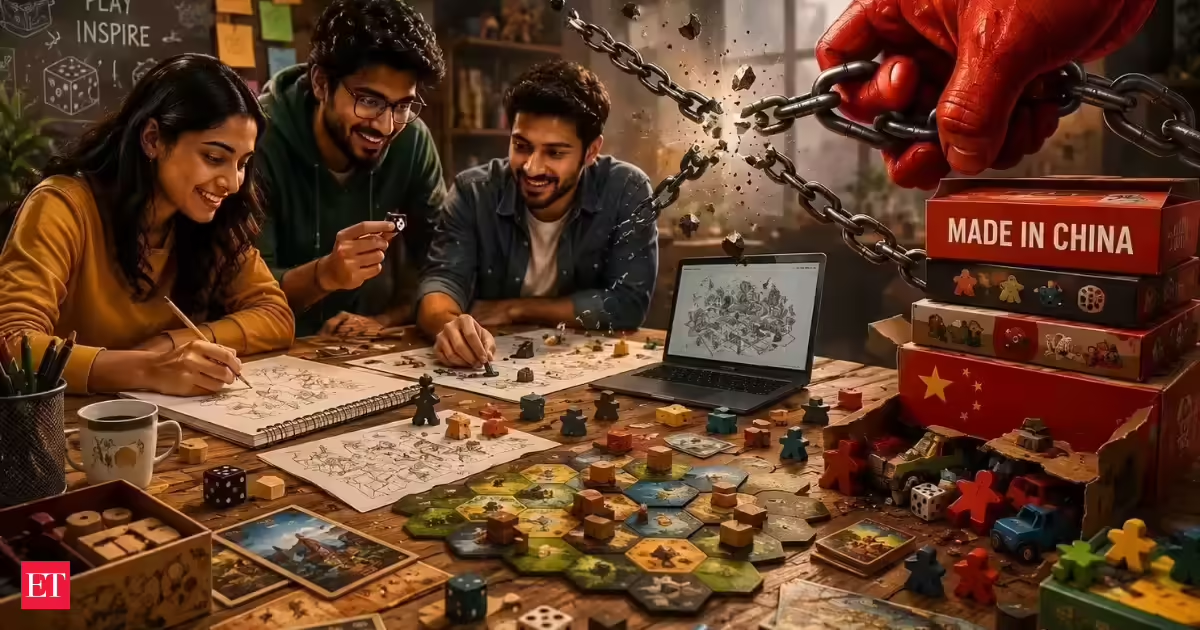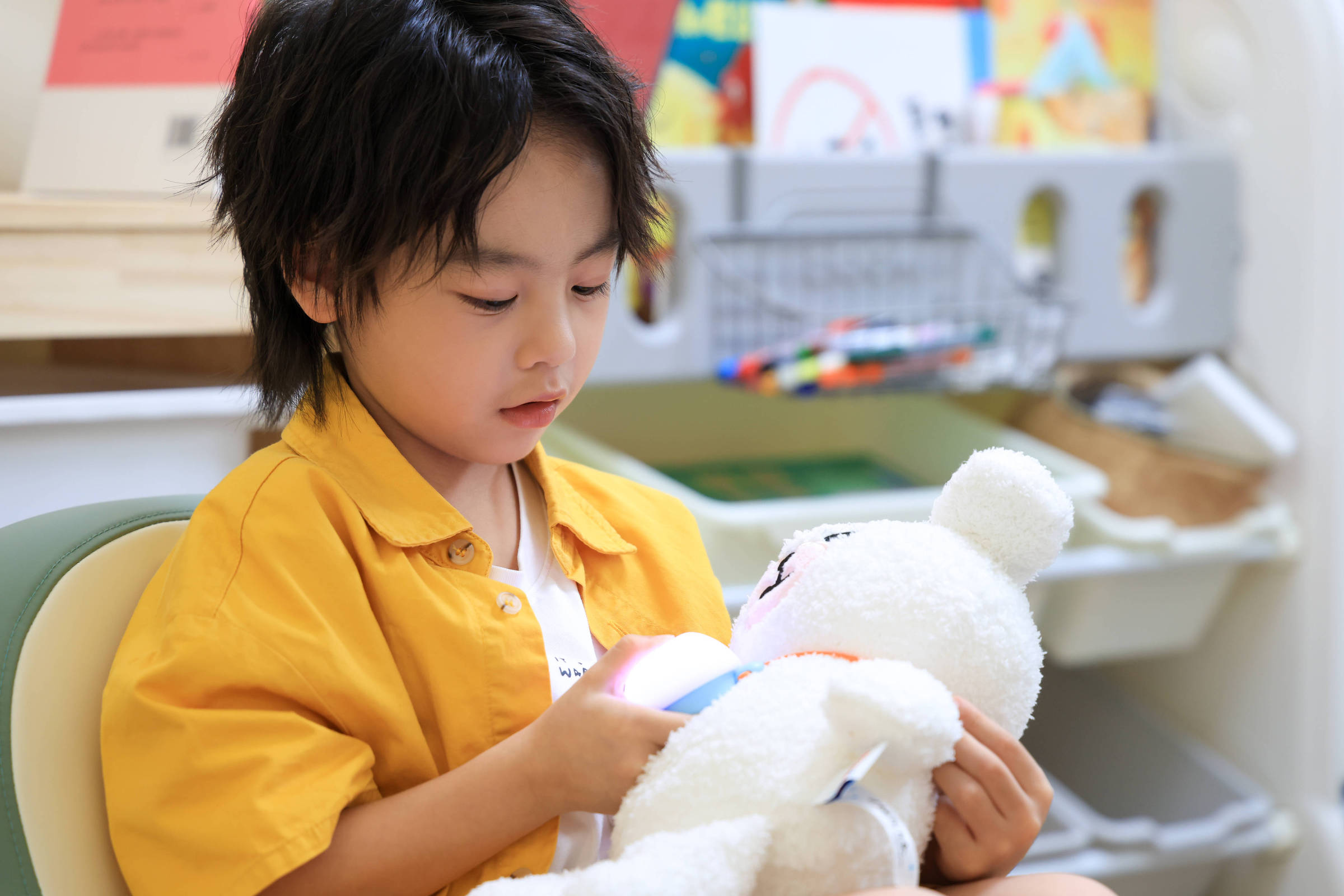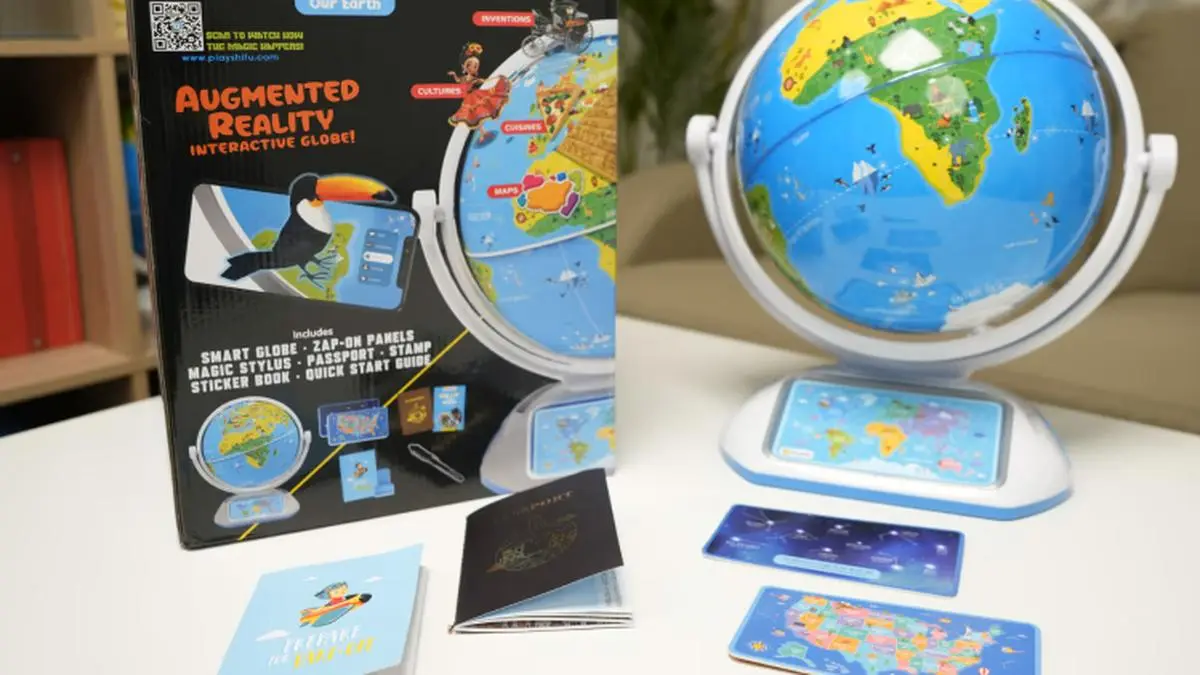
Toys — the millennia-old companions of childhood — increasingly vie for attention with electronic screens. Bengaluru-based startup PlayShifu says it is solving this modern-day problem for parents by transforming passive screen time into active learning sessions for cognitive development. “We do this by combining physical, tactile play with digital interactivity — all built on our proprietary, patented technology,” says Dinesh Advani, co-founder of PlayShifu.While online channels contribute 45 per cent of sales, nearly 80 per cent of PlayShifu’s revenue comes from international markets. The products are exported to more than 35 countries, and sold across 2,500 retail outlets.As global companies diversify their sourcing beyond China, the Indian toy-making industry is among the beneficiaries as brands such as Hasbro, Mattel, Spin Master, and IKEA are now among its client list.
Bidso India manufactures a range of outdoor and ride-on toys
Mihir Joshi, Managing Director of venture capital firm GVFL, points to the emergence of stronger domestic manufacturing capabilities in recent years. “There is a meaningful opportunity for Indian toy companies to strengthen their presence not only in the domestic market but also global markets, as supply chains diversify and demand for trusted manufacturing partners increases.”Investment magnetThe sector, not surprisingly, has caught the attention of investors.“India today exports only $150–200 million worth of toys to a global market that exceeds $130 billion. China alone exports $55–60 billion annually. Even a low single-digit share of global toy exports would mean a massive expansion for the Indian manufacturing ecosystem. This makes the category exciting from an investor perspective,” says Bala Srinivasa, Managing Director of Arkam Ventures.According to Tracxn, the toy industry attracted $92.6 million funding between 2019 and 2026. Funding peaked in 2024, at $32.9 million across 14 rounds. So far this year, $11.6 million have streamed in.