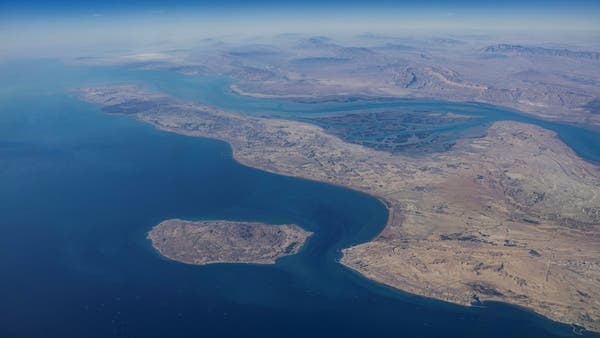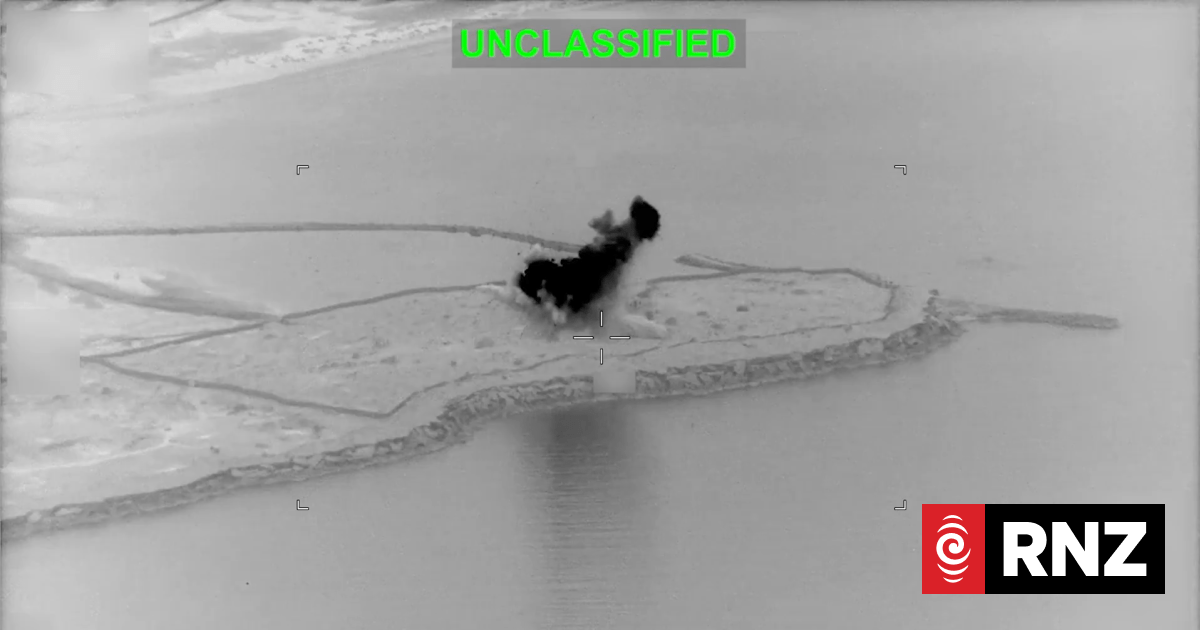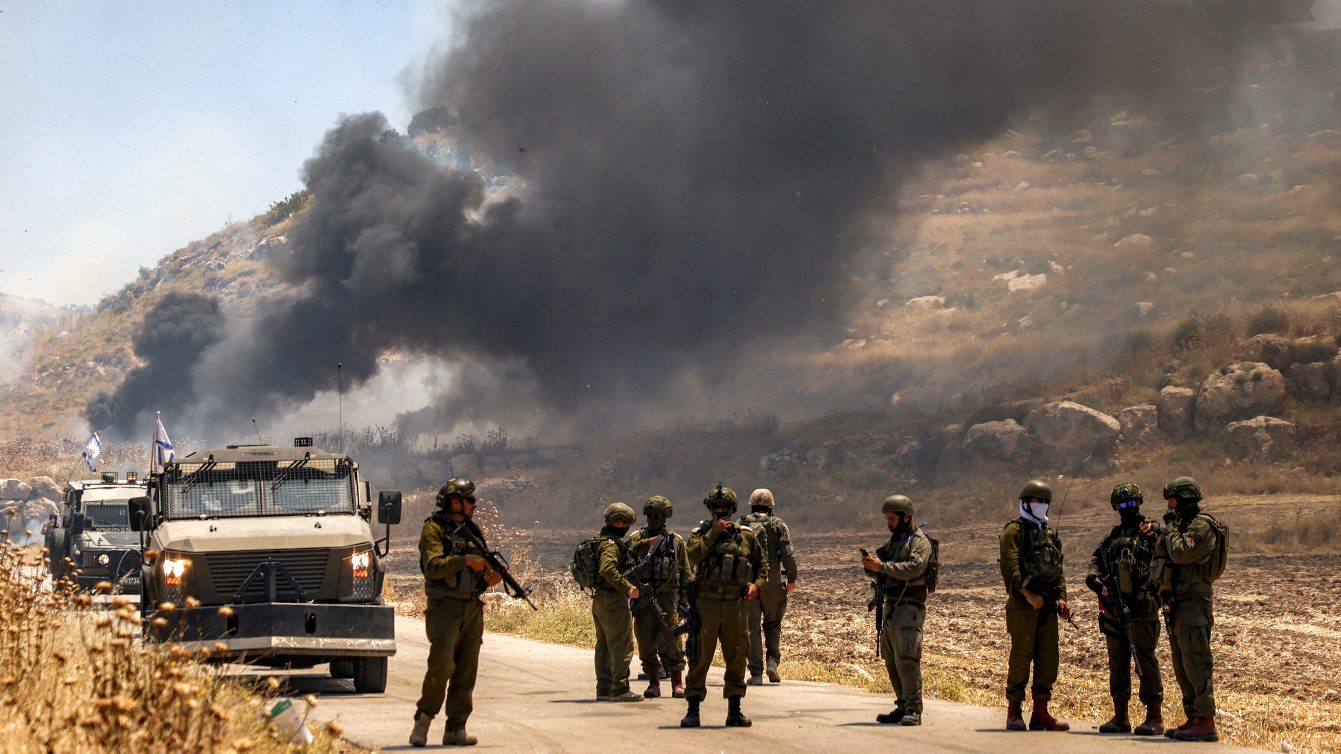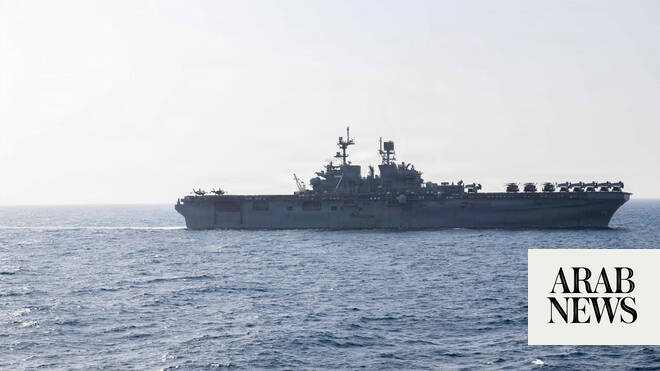
Iran’s Foreign Ministry issued a sharp rebuke of US military strikes carried out on June 6-7, calling them a direct violation of the April 8 ceasefire and an act of aggression against Iranian sovereignty. The strikes targeted radar and coastal surveillance facilities on Qeshm Island and in Sirik, two strategically positioned sites near the Strait of Hormuz.
Tehran didn’t mince words. Iran stated it would respond within its legitimate right to self-defense, a phrase that, in the context of the broader conflict simmering since late February, carries considerably more weight than diplomatic boilerplate.
What happened and why it matters
The US characterized the strikes as defensive measures in response to Iranian drone threats against maritime traffic. Iran sees it differently, framing the action as unprovoked aggression that shreds the terms of an already fragile ceasefire.
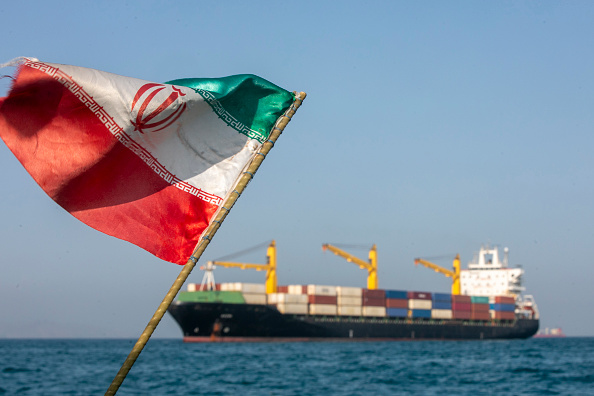
That ceasefire, established on April 8, was supposed to create breathing room for discussions around Iran’s nuclear capabilities and the security of the Strait of Hormuz. The strait is the single most important chokepoint for global energy flows, with a significant share of the world’s seaborne oil passing through its narrow waters daily.