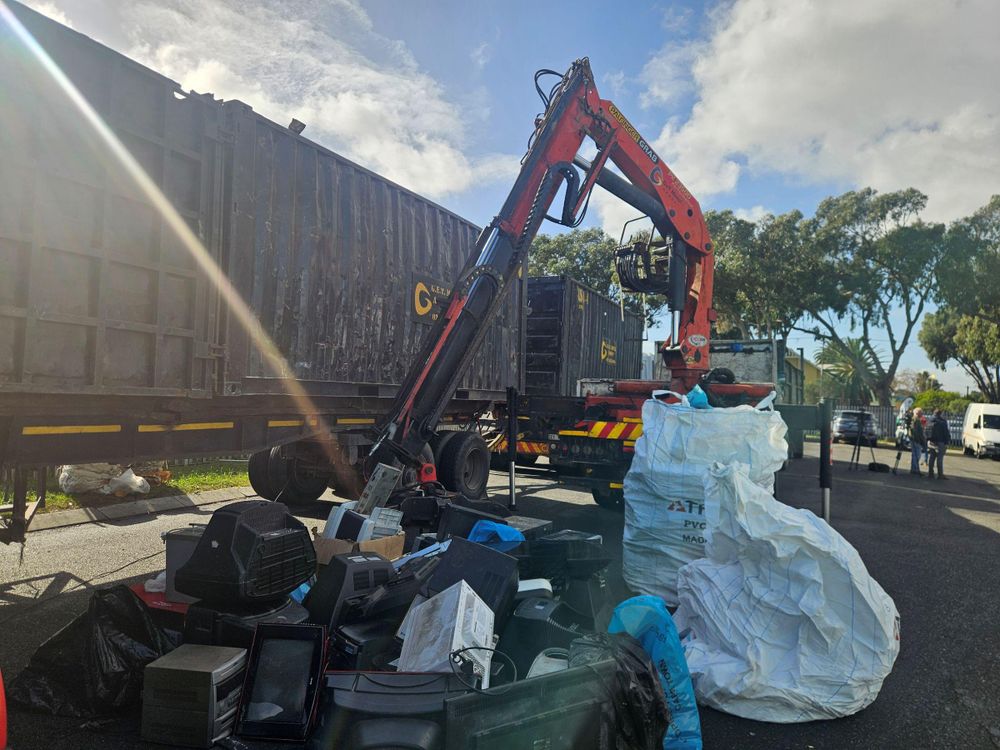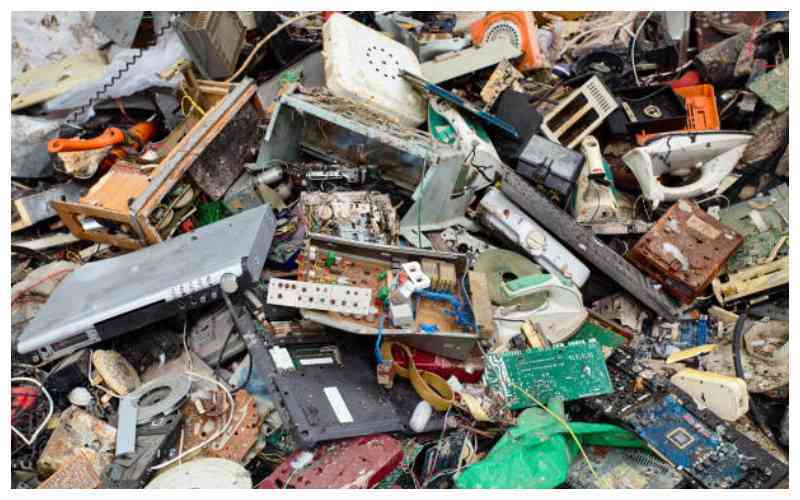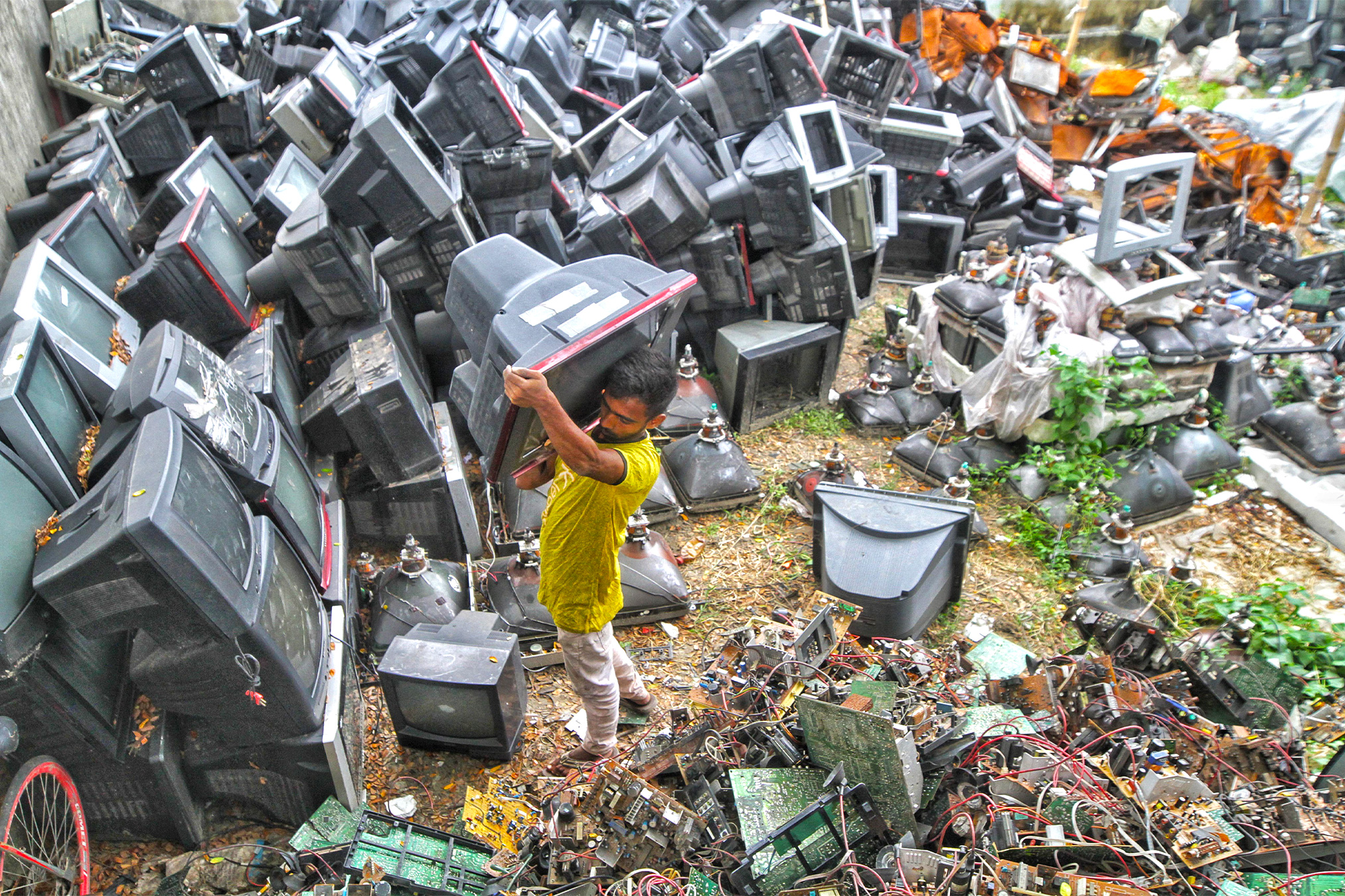
Developed by students, a platform called Green Grid aims to make electronic waste recycling simpler, more transparent and more rewarding at a time when e-waste is emerging as one of the world’s fastest growing environmental problems.The web-based platform combines technology, awareness tools and incentive systems to encourage people to dispose of old electronic devices responsibly instead of discarding them along with regular garbage.According to the project description, global e-waste generation reached around 62 million tonnes in 2022, but only about 22 per cent was formally recycled. India alone generated nearly 1.75 million tonnes of e-waste in 2023-24, with less than half processed through authorised channels.Green Grid seeks to address this gap through a set of integrated digital services. One of its central features is an ‘E-dumper locator’ to help users identify nearby certified recycling centres using map-based services.Users can also schedule doorstep pickup of discarded electronics, for easy disposal.The platform includes a green rewards system to incentivise environmentally responsible behaviour.An ‘Eco AI assistant’ and an awareness hub provide educational information on safe disposal practices, sustainability and the environmental risks posed by improper handling of e-waste.Another feature, called ‘Recycling impact calculator’, allows users to estimate the environmental benefits of their recycling efforts, such as reduced pollution and resource recovery. The system also includes administrative tools for monitoring pickup requests, recycling activity and user participation.Developed using technologies including React.js, Node.js, Express.js, SQL, Google Maps API and JWT authentication, Green Grid demonstrates how digital platforms can support circular economy practices, according to a paper published in arXiv, an open access online repository.The developers say future versions may include mobile applications, multilingual support, QR-code verification and integration with extended producer responsibility (EPR) systems.Clean energy can save crores for Tamil Nadu textile sectorTamil Nadu’s textile industry could save up to ₹3,250 crore annually by shifting to renewable energy, according to a new report by Bengaluru-based think tank Climate Risk Horizons.The report comes at a time when industries are grappling with rising fuel costs linked to the US-Iran conflict.It estimates that a transition to renewable electricity could generate annual savings of ₹2,320–3,250 crore for Tamil Nadu’s textile sector. A broader shift that includes replacing wood- and fossil fuel-based boilers with electric boilers powered by renewable energy could yield savings of ₹1,560–2,770 crore.Tamil Nadu accounts for nearly a quarter of India’s textile production.The report notes that rising fuel costs have increased production costs and eroded competitiveness. Textile exports from the State have largely stagnated at around $7.4 billion since 2017.“Transitioning towards renewable energy can save the industry billions, improve cost competitiveness and help revitalise the sector,” said Rakesh Ranjan, co-author of the report.The study also found that the sector’s energy expenditure has nearly doubled over the past four years.Published on June 8, 2026
An e-dumper locator for safe disposal of electronic waste
Green Grid simplifies electronic waste recycling with an e-dumper locator, incentivizing responsible disposal and promoting environmental awareness.
456 words~2 min read