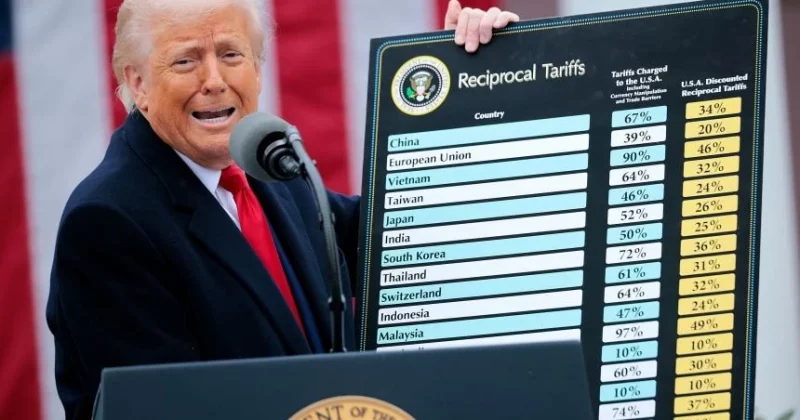
The tariff saga has entered its sequel phase, and it’s arguably messier than the original. After the US Supreme Court invalidated President Trump’s sweeping import levies in a 6-3 ruling, the administration wasted little time finding an alternative legal pathway to reimpose duties on global imports.
The result: a new 10% global tariff enacted under Section 122 of the Trade Act of 1974, which has since been bumped to 15%. That replacement tariff is now facing its own legal challenges, creating a loop of policy whiplash that has rattled both traditional and crypto markets.
The Supreme Court ruling and its aftermath
On February 20, 2026, the Supreme Court ruled that the president did not have the authority to impose broad-based tariffs under the International Emergency Economic Powers Act (IEEPA). The 6-3 decision effectively wiped out the existing duty structure and opened the door for importers to reclaim what they’d already paid.
The scale of those potential refunds is staggering: up to $166 billion. As of mid-May 2026, roughly $35.5 billion in refunds for the invalidated tariffs have already been processed through a newly created online portal, though delays have been reported due to ongoing litigation.