Sunday, June 7th 2026 - 21:17 UTC
Governments aligned with the United States are adopting tough-on-crime rhetoric and requesting technical assistance
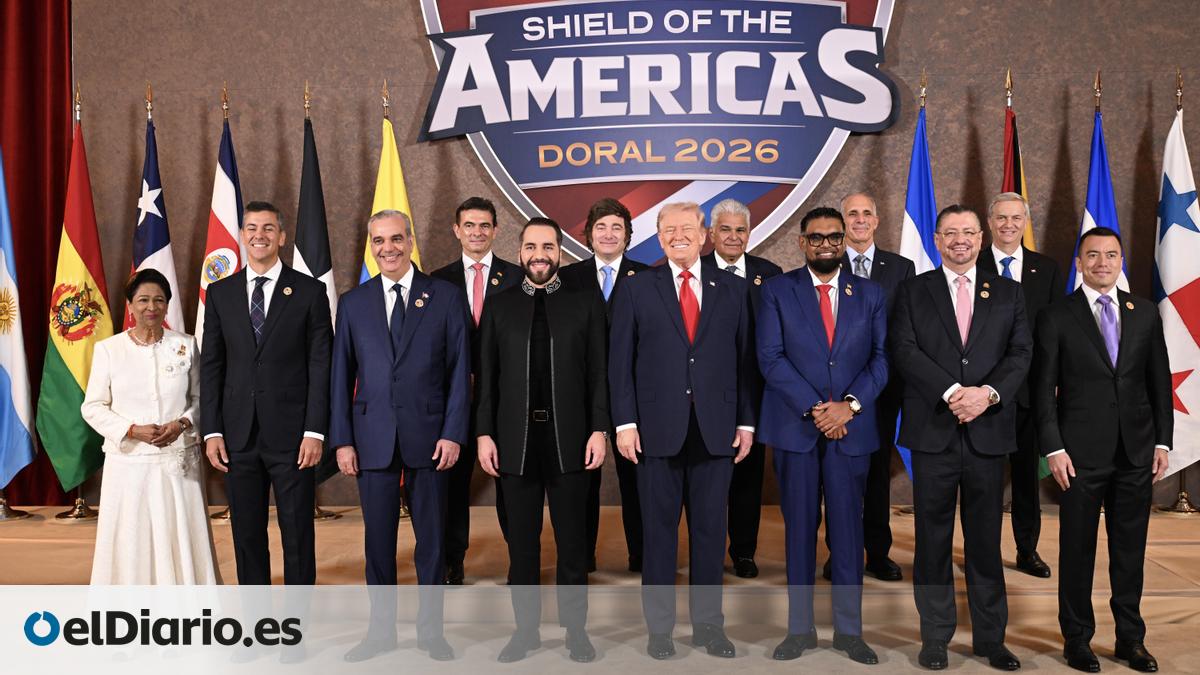
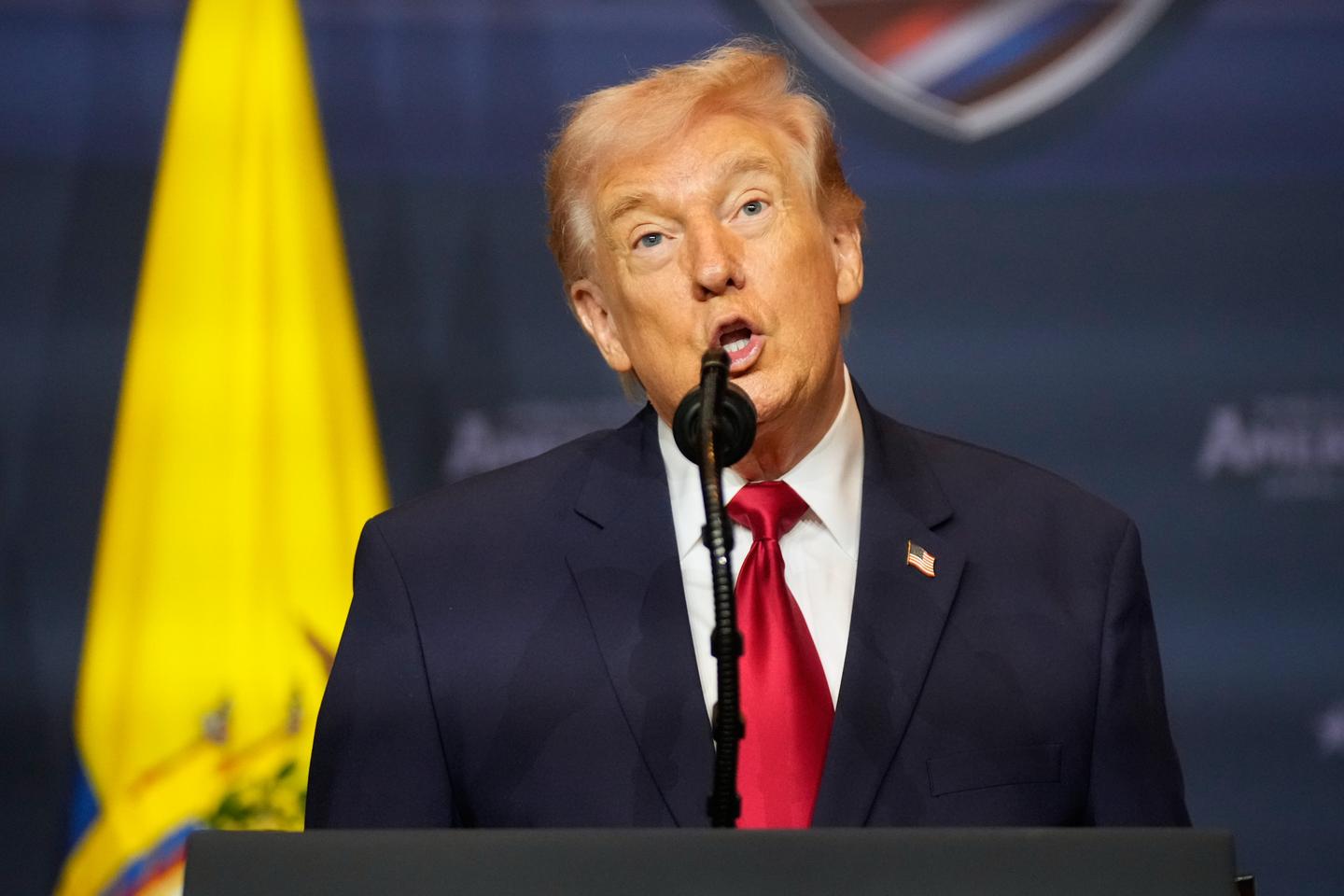
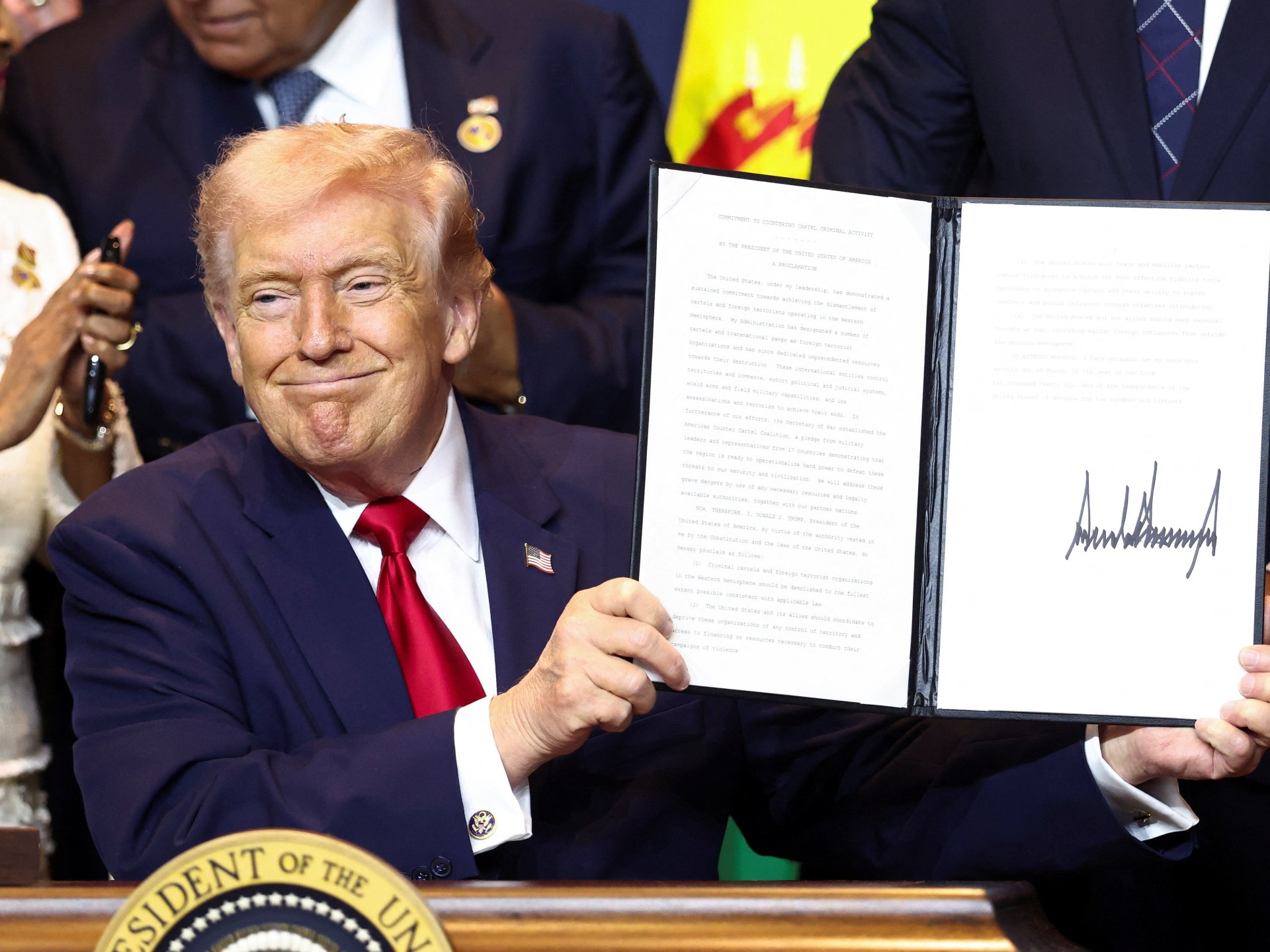
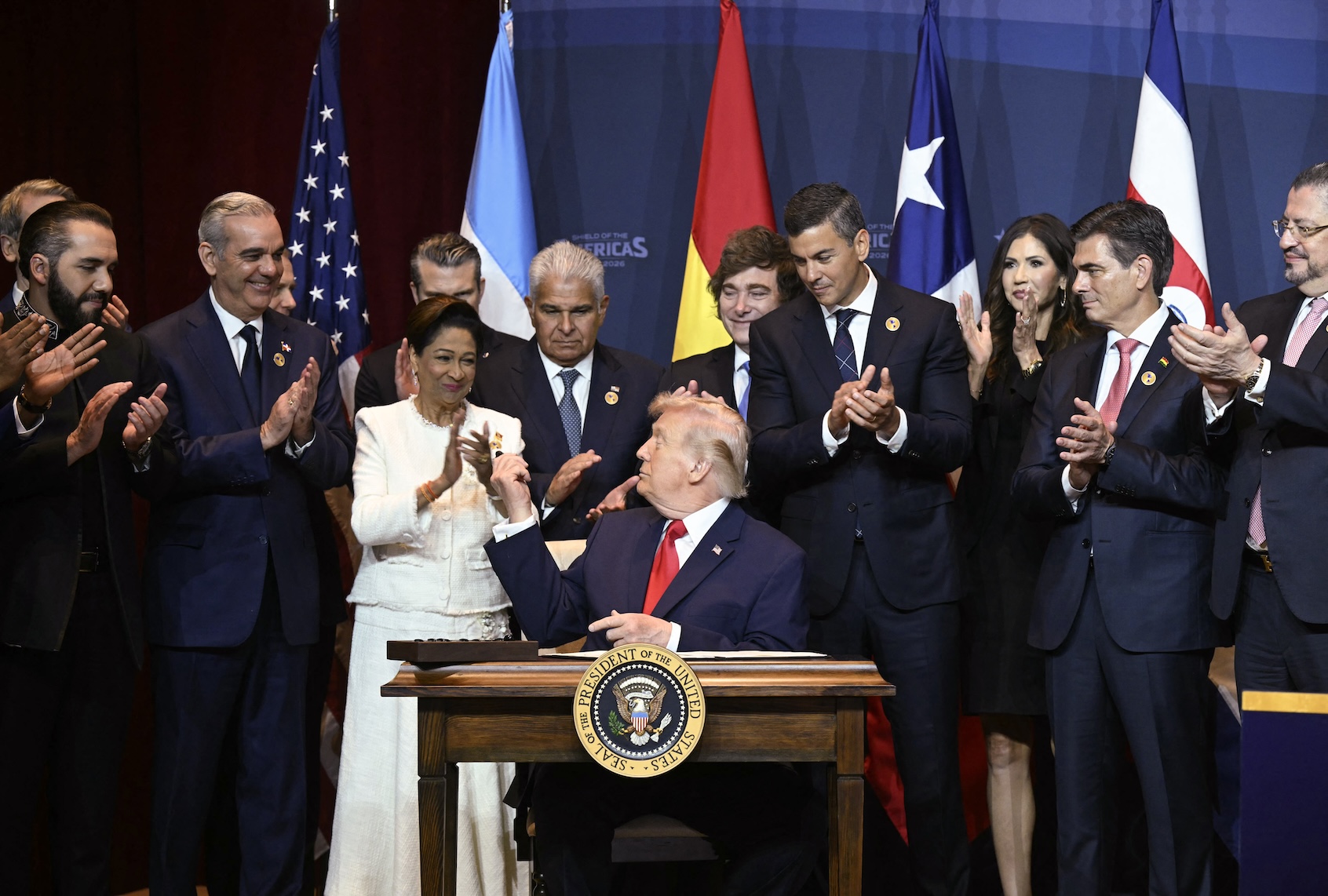
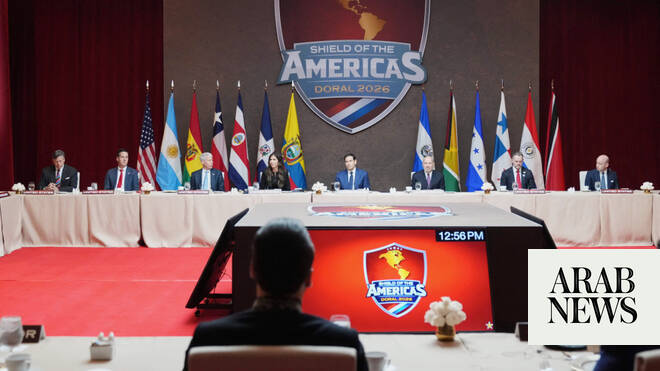
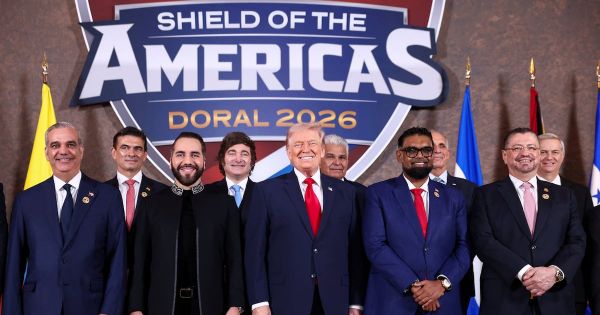
Donald Trump's return to the White House and the launch of the “Shield of the Americas” —a militarized anti-narcotics coalition that excludes Mexico and that Washington unveiled in Miami in March— have reshaped the security landscape in Central America. The pressure, intensified after the capture of Venezuelan President Nicolás Maduro in January, has pushed trafficking routes into international waters and forced uneven responses across the isthmus, according to a report by EL PAÍS.
Governments aligned with the United States are adopting tough-on-crime rhetoric and requesting technical assistance. In Guatemala, President Bernardo Arévalo sent a letter seeking more support in training and intelligence, amid an offensive that between 2024 and 2026 seized more than 33 tonnes of cocaine and led to more than 2,000 arrests; on June 2, Congress passed an anti-money-laundering law. The head of US Southern Command, General Francis Donovan, met Guatemalan officials this week.
El Salvador shifted its effort to the open sea: on February 14, its navy intercepted the vessel FMS Eagle some 380 nautical miles offshore, with 6.6 tonnes of cocaine, the largest seizure in the country's history. President Nayib Bukele celebrated the operation on social media and reinforced his “Pacific wall” narrative, though the figures place the country seventh among the nine nations on the Pacific route.