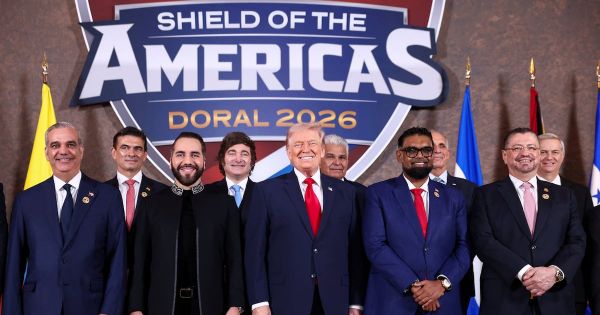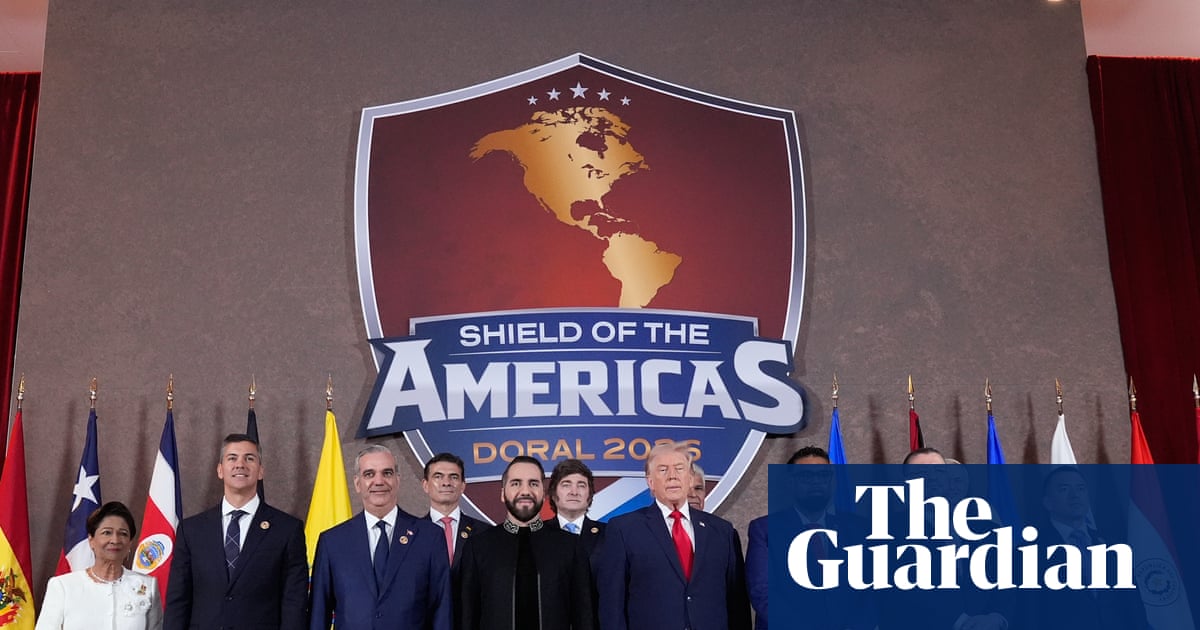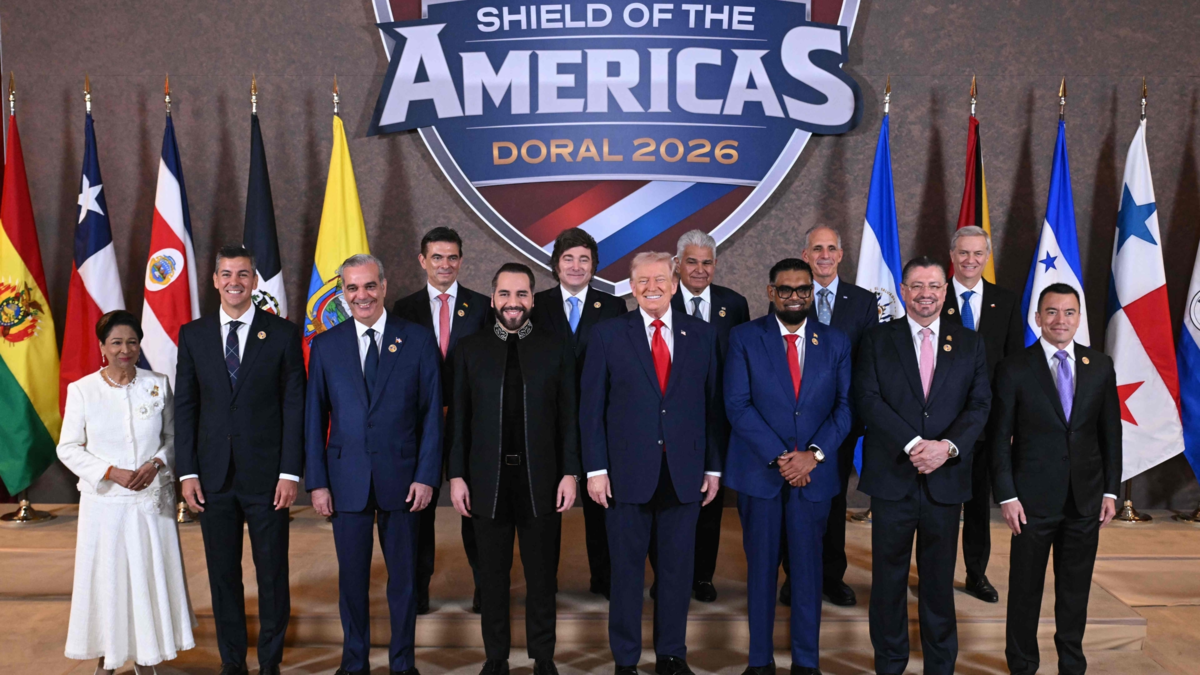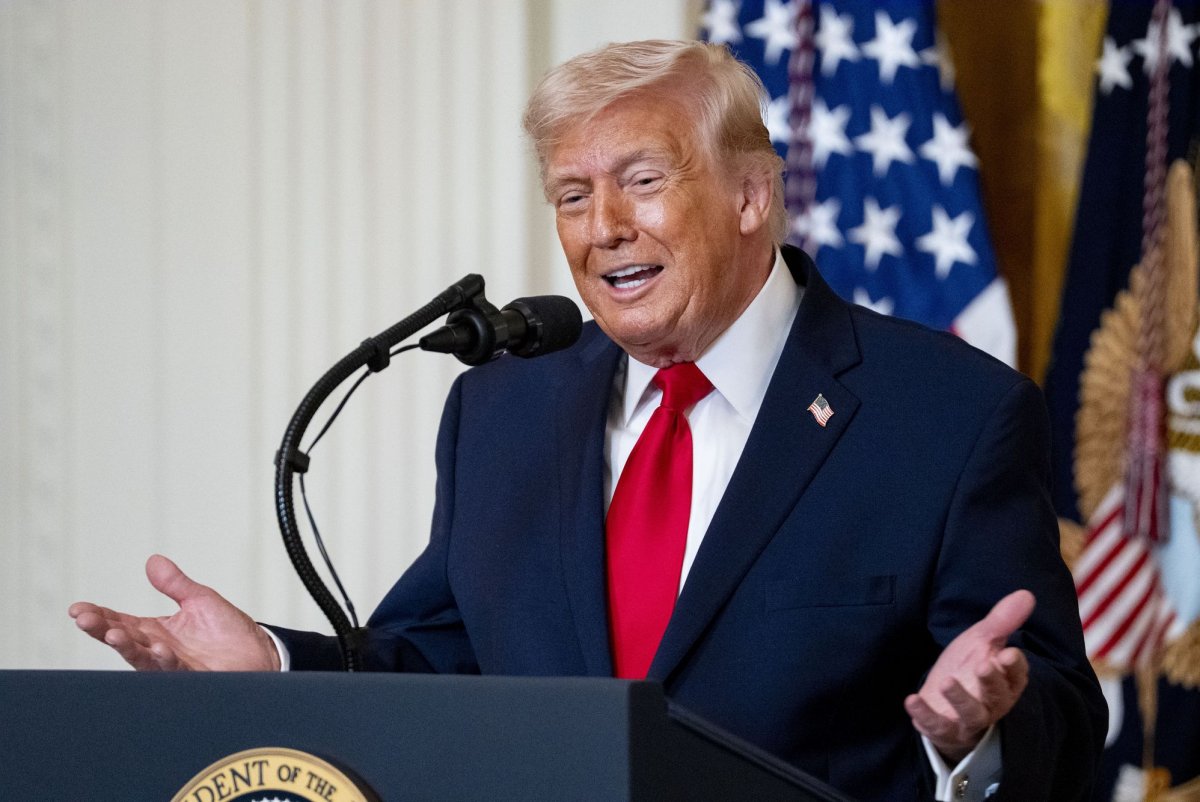
March 13 (UPI) -- The Shield of the Americas summit in Doral, Florida, on March 7, put hemispheric security back at the center of regional politics. President Donald Trump used the gathering to call for stronger action against cartels and other criminal groups in the Western Hemisphere, while the U.S. government paired the event with a proclamation framing the effort as part of a broader push for regional security cooperation.
At one level, the message was straightforward: Washington wants closer cooperation against organized crime and transnational threats. Trump's proclamation said criminal cartels and foreign terrorist organizations in the Western Hemisphere should be demolished to the fullest extent possible, consistent with applicable law, and it referred to the Americas Counter Cartel Coalition as a pledge from military leaders and representatives from 17 countries.
That alone makes the effort noteworthy. But the larger significance of the Shield of the Americas lies not only in its rhetoric of urgency, but also in the kind of hemispheric framework it may become.
Why the effort matters
Across the Americas, criminal networks now move people, drugs, money and weapons across borders more easily than many governments can coordinate against them. In several countries, organized crime is no longer just a policing issue. It has become a challenge to sovereignty, institutions and public confidence.