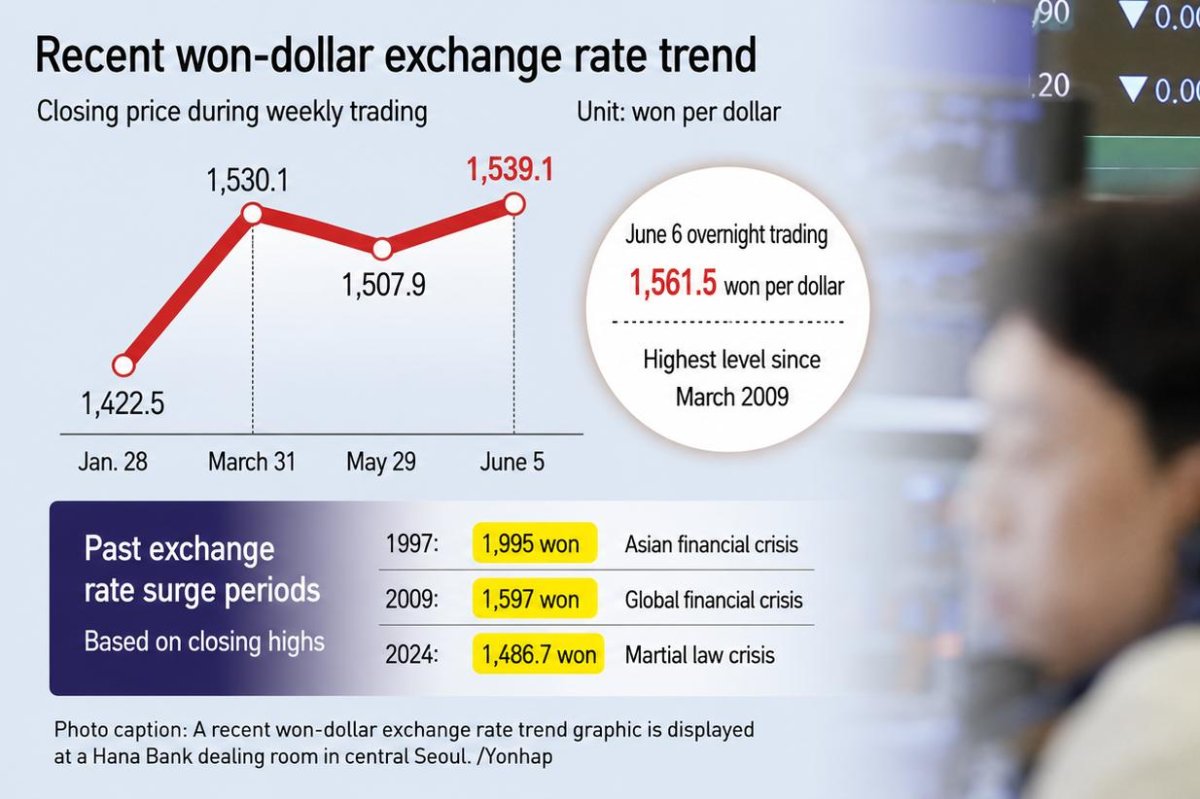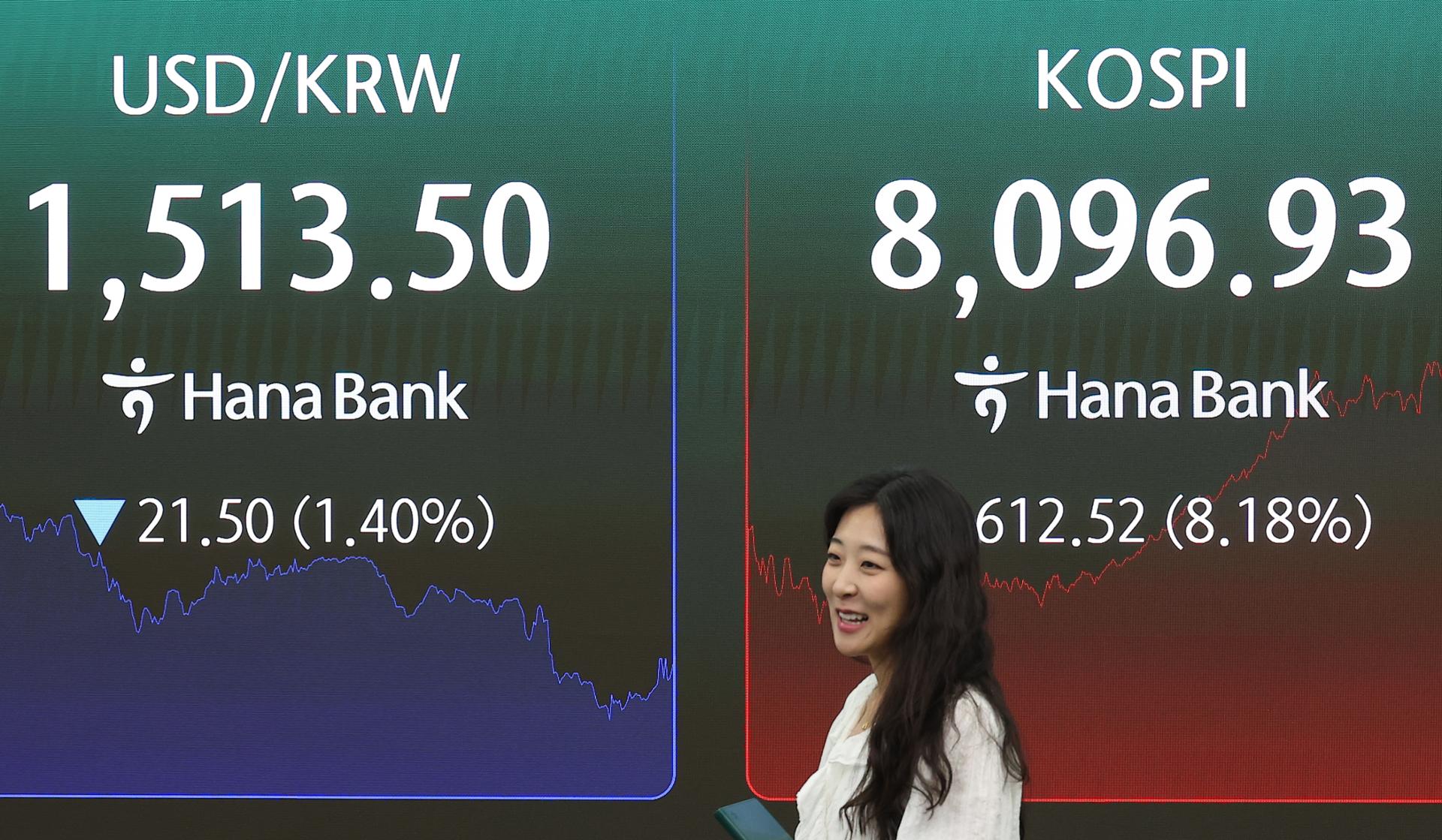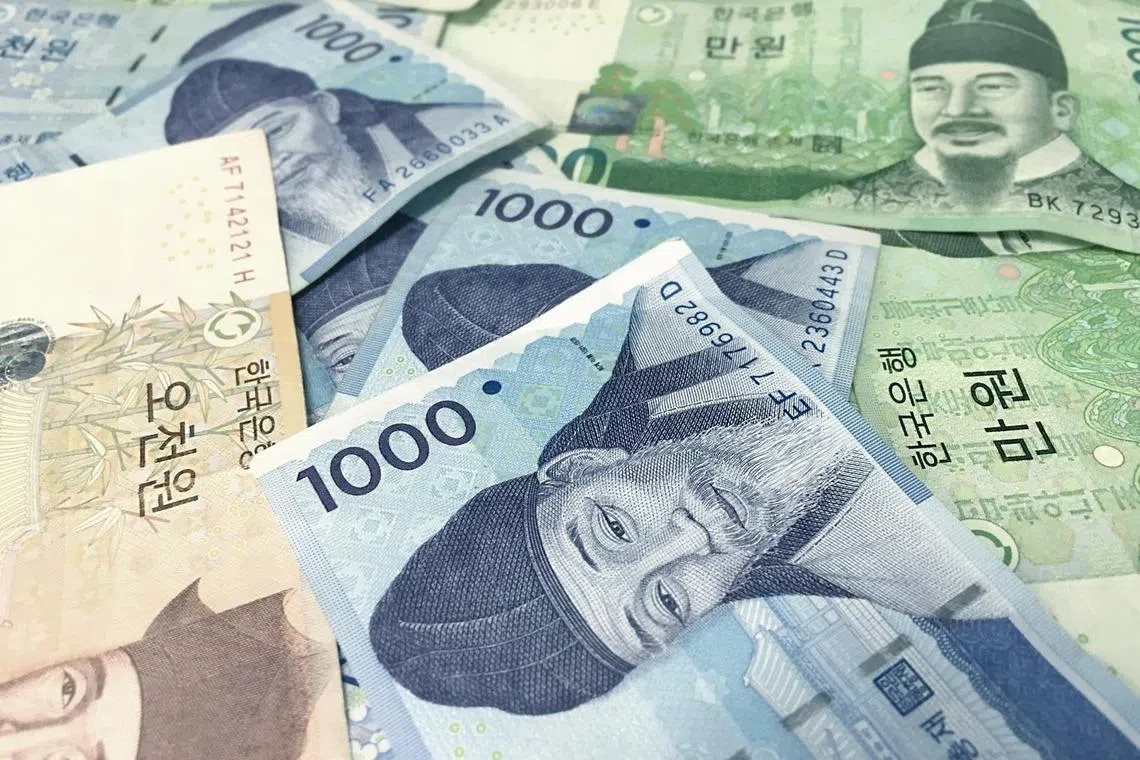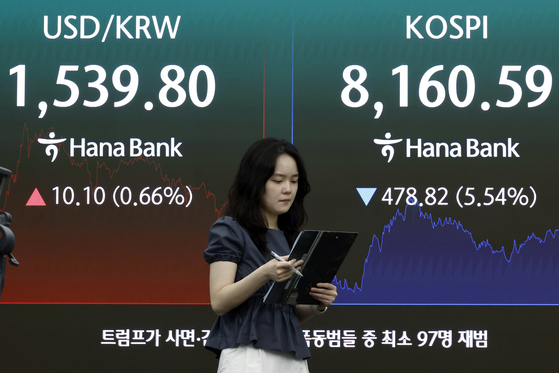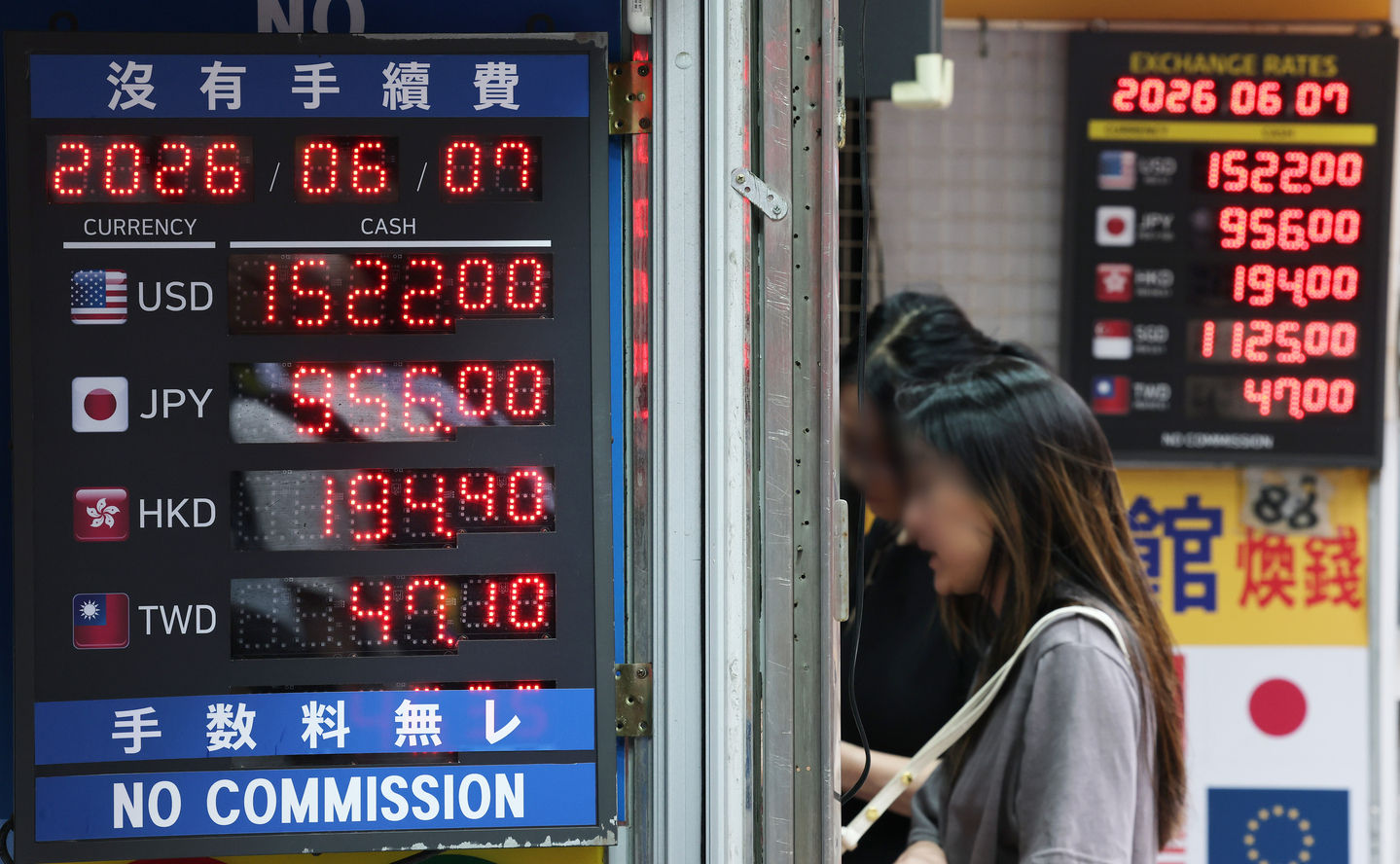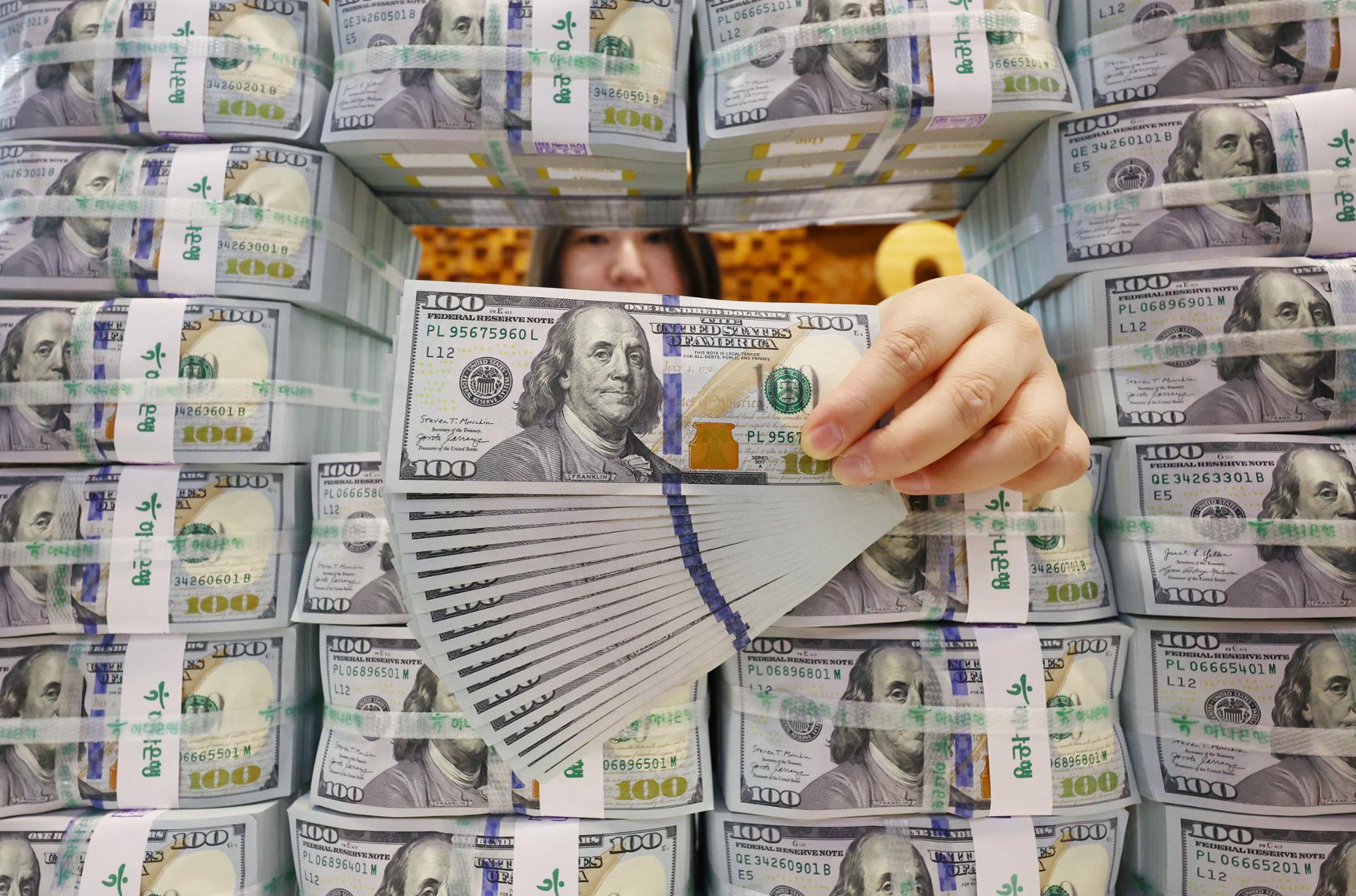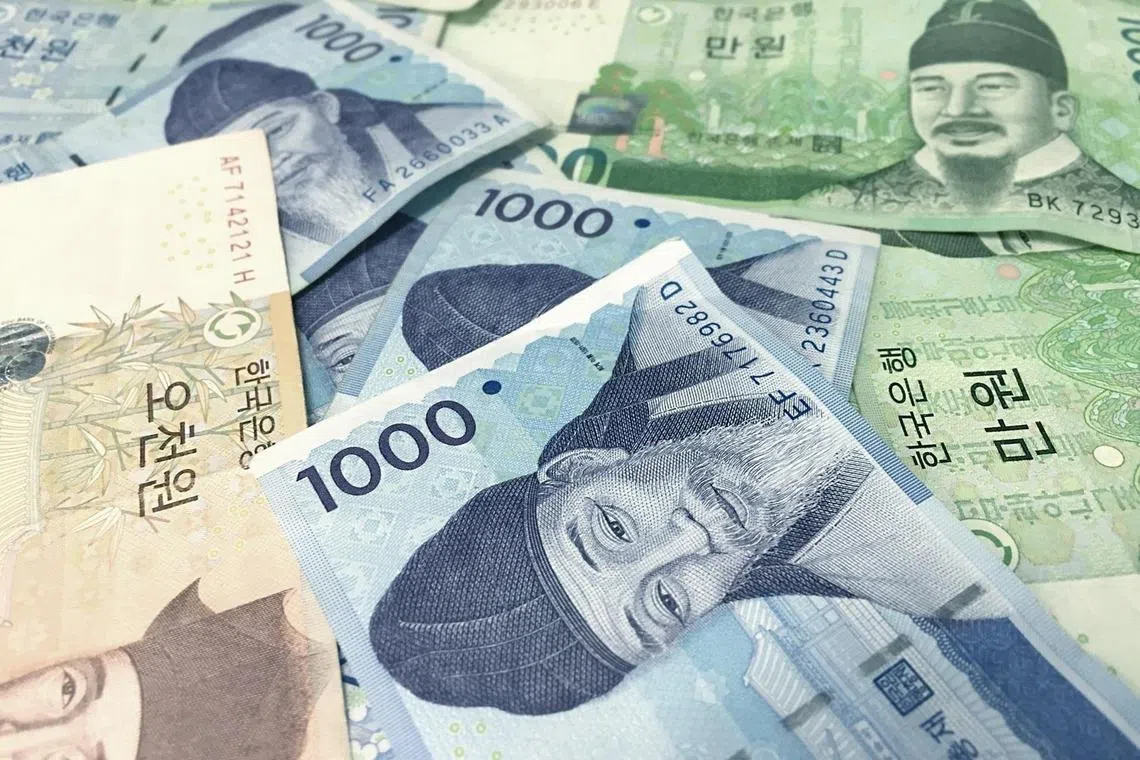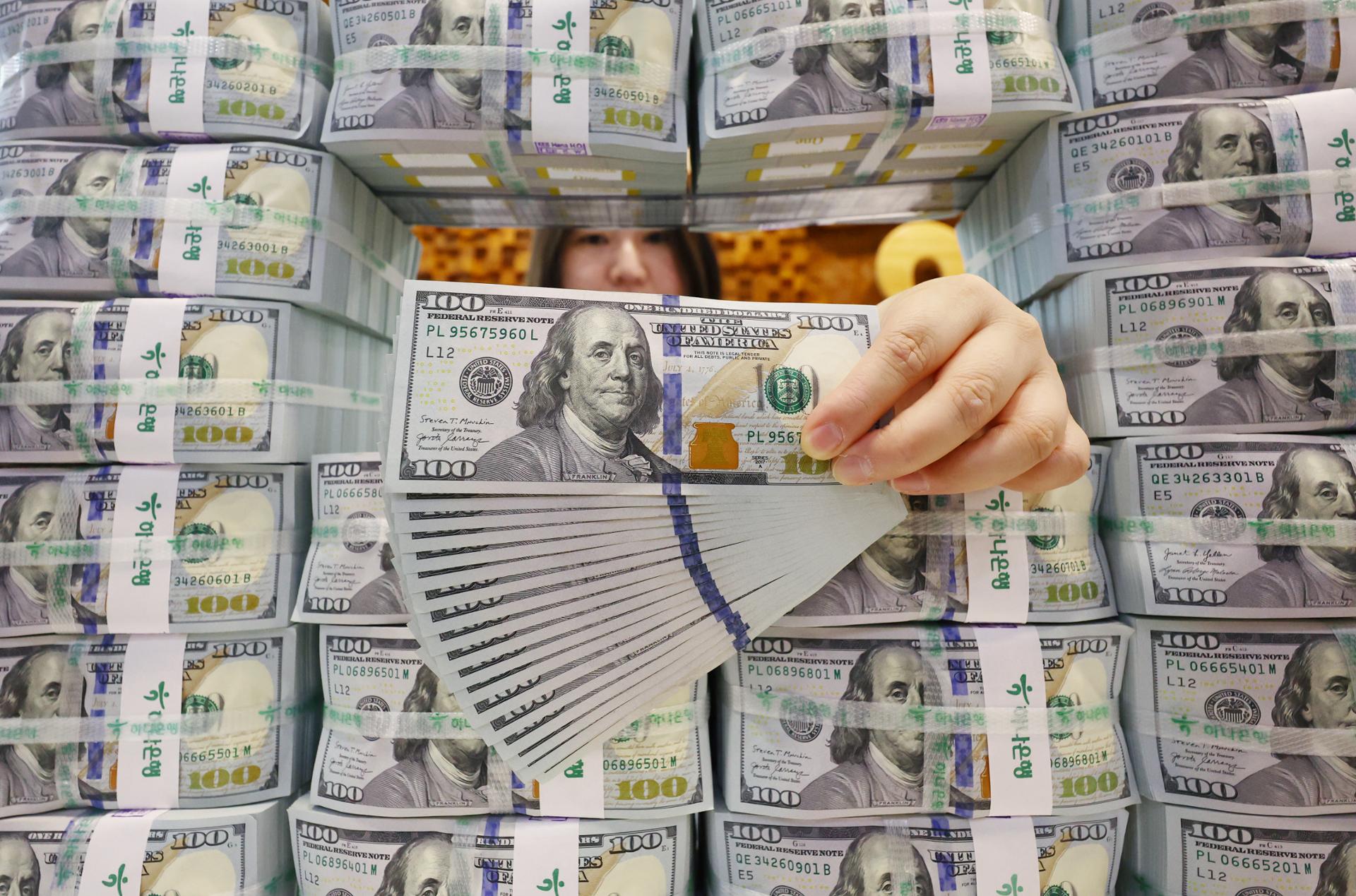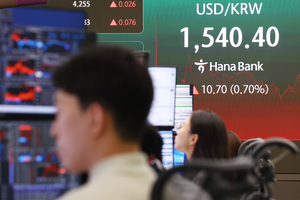
YOO CHOON-SIK The won-dollar exchange rate reached its highest level since the 2008-09 global financial crisis on Friday, setting fresh records both during trading and at the market close. It drew attention not simply because of the scale of the currency’s decline, but because it occurred at a time when headline indicators of the South Korean economy appeared favorable.South Korea is enjoying a surge in exports, led by semiconductors benefiting from the global artificial intelligence boom, and its stock market has performed better than many had expected. Yet the won has depreciated by more than 7 percent against the US dollar in only a few months.Why is the won continuing to weaken despite signs that important parts of the economy remain resilient? Part of the answer lies in continued foreign selling of Korean stocks and exporters' growing tendency to keep earnings overseas.The global environment also remains strongly favorable to the dollar, with the US economy outperforming expectations while maintaining leadership in AI and other advanced industries. Higher US interest rates and geopolitical tensions have also increased demand for dollar-denominated assets.For decades, currency depreciation was often viewed positively because it improved export competitiveness. That perspective was understandable during an earlier stage of development when export performance occupied a central place in economic policy discussions.Companies that depend on imported machinery and intermediate goods face higher production costs when the currency weakens, while exchange-rate volatility can make investment planning more difficult. Foreign investors may also become less willing to hold domestic assets if currency losses threaten to erode their returns.Persistent currency weakness can shape perceptions of a country's economic strength by influencing judgments about stability, competitiveness and future prospects, as well as trade flows. The risks become more significant when depreciation begins to affect expectations and investor behavior.A weakening currency can fuel inflation concerns, push bond yields higher and reduce investor appetite for domestic financial assets, encouraging additional capital outflows. As these developments reinforce expectations of further depreciation, reversing the trend can become increasingly difficult.The policy environment differs from earlier decades, when governments exercised greater influence over exchange rates. Today, South Korea is deeply integrated into global financial markets, where capital moves rapidly across borders and exchange rates are driven increasingly by global financial flows rather than domestic measures.As a result, direct intervention has become less effective than in the past, leaving policymakers to operate in an environment where market confidence often matters as much as policy tools themselves. This makes communication increasingly important, as investors closely watch official statements for clues about economic assessments and potential policy responses.Economic indicators such as exchange rates, interest rates and stock prices not only reflect economic conditions but also influence future behavior by shaping expectations. That helps explain why recent remarks by Kim Yong-beom, the presidential chief policy secretary, drew considerable attention from markets and the public.In a social media post, Kim described the coexistence of rising exports, improving corporate earnings, elevated interest rates and a weak currency as a paradox.Kim suggested that much of the confusion stemmed from outdated ways of interpreting economic conditions. The problem, in essence, was not the economy itself, but the analytical lens through which many observers continued to view it.Byproduct of success?Kim appeared to portray the won’s weakness not as a sign of vulnerability but as a byproduct of economic success. The implication was that high interest rates, elevated inflation and a weaker currency were costs accompanying South Korea’s transition to a more advanced stage of economic development.The argument challenges conventional assumptions and invites debate about how economic indicators should be interpreted in a changing economy. Policymakers, however, are not academics, and their primary responsibility is to provide clarity, credibility and practical guidance, since their words can influence markets and shape expectations.Investors focus on what policymakers' remarks reveal about the government’s grasp of economic realities. Framing prolonged currency weakness as a sign of success risks suggesting that officials are less concerned about trends many investors view as warning signals.Exchange rates reflect far more than short-term capital flows, embodying investor judgments about a country’s growth prospects, productivity, governance and institutional credibility.South Korea continues to grapple with structural problems, including one of the world’s lowest birth rates, rapid population aging and weakening productivity growth. Efforts to restructure key industries have lagged behind expectations, while intensifying political polarization and persistent social divisions have clouded confidence in the nation’s long-term prospects.The labor market reflects similar tensions, with South Korea placing strong emphasis on worker protection while critics argue that the benefits are distributed unevenly.Fiscal policy presents additional challenges, as South Korea’s single five-year presidential term can complicate long-term policy continuity. Repeated errors in tax revenue forecasts have also drawn scrutiny, with shortfalls prompting supplementary budgets and borrowing, while unexpected surpluses can intensify calls for additional spending.None of these structural issues can be directly linked to the recent rise in the won-dollar exchange rate. Over time, however, exchange rates tend to reflect economic fundamentals and broader assessments of a country’s long-term prospects.Many political figures who now portray current conditions as evidence of success were among the critics of similar indicators in the past, when exchange rates and public debt levels were lower than they are today.Such shifts inevitably raise questions about consistency, a quality closely watched by both markets and voters. Indicators once depicted as evidence of crisis cannot be readily rebranded as signs of success without affecting credibility.Attributing the won’s weakness solely to economic success risks overlooking deeper concerns, as investors tend to favor realistic assessments and place greater trust in governments that recognize risks.In an era when expectations can shape economic outcomes as powerfully as policy tools themselves, credibility may be the most valuable asset a government possesses.- - -Yoo Choon-sikYoo Choon-sik worked for nearly 30 years at Reuters, including as chief Korea economics correspondent, and briefly as a business strategy consultant. The views expressed here are the writer’s own. — Ed.
[Yoo Choon-sik] When weak won meets strong questions
The won-dollar exchange rate reached its highest level since the 2008-09 global financial crisis on Friday, setting fresh records both during trading and at the
980 words~4 min read