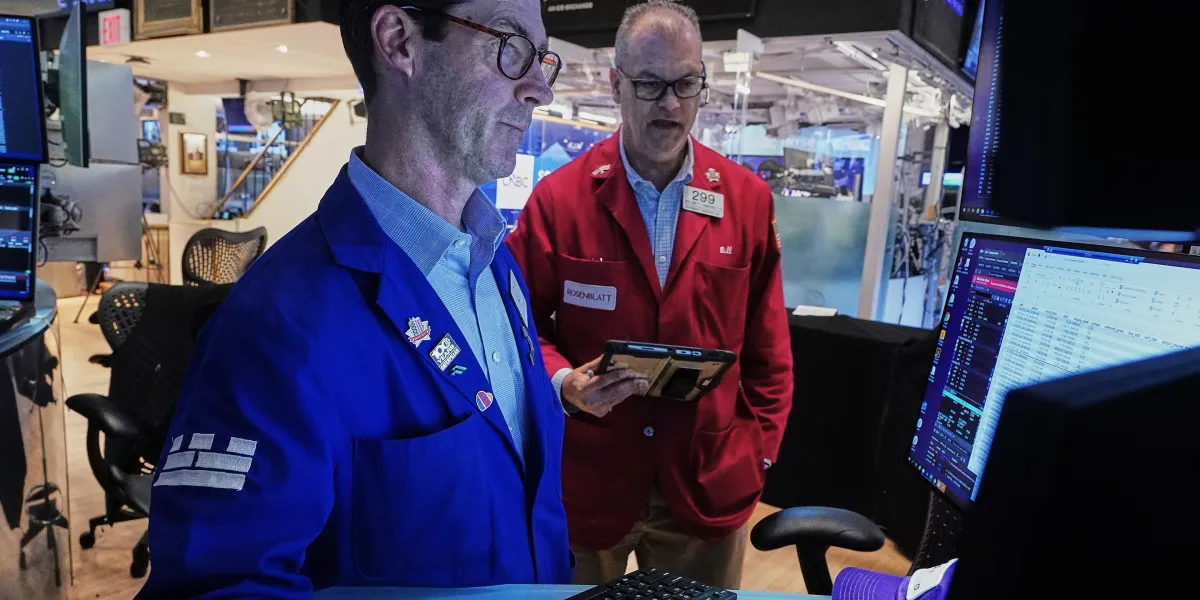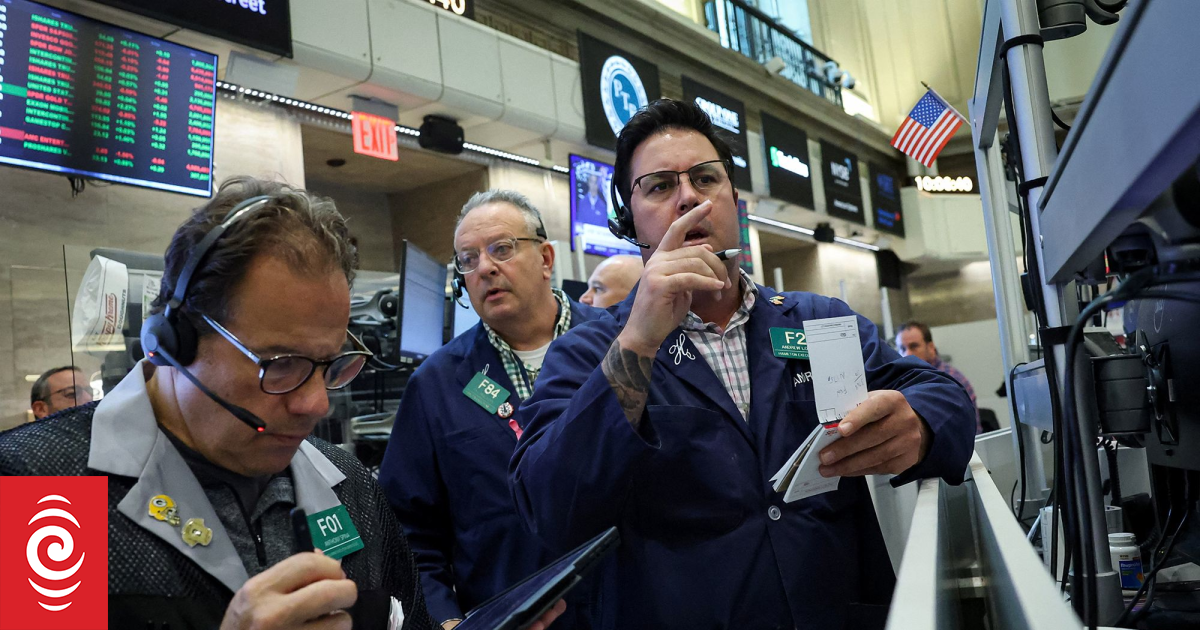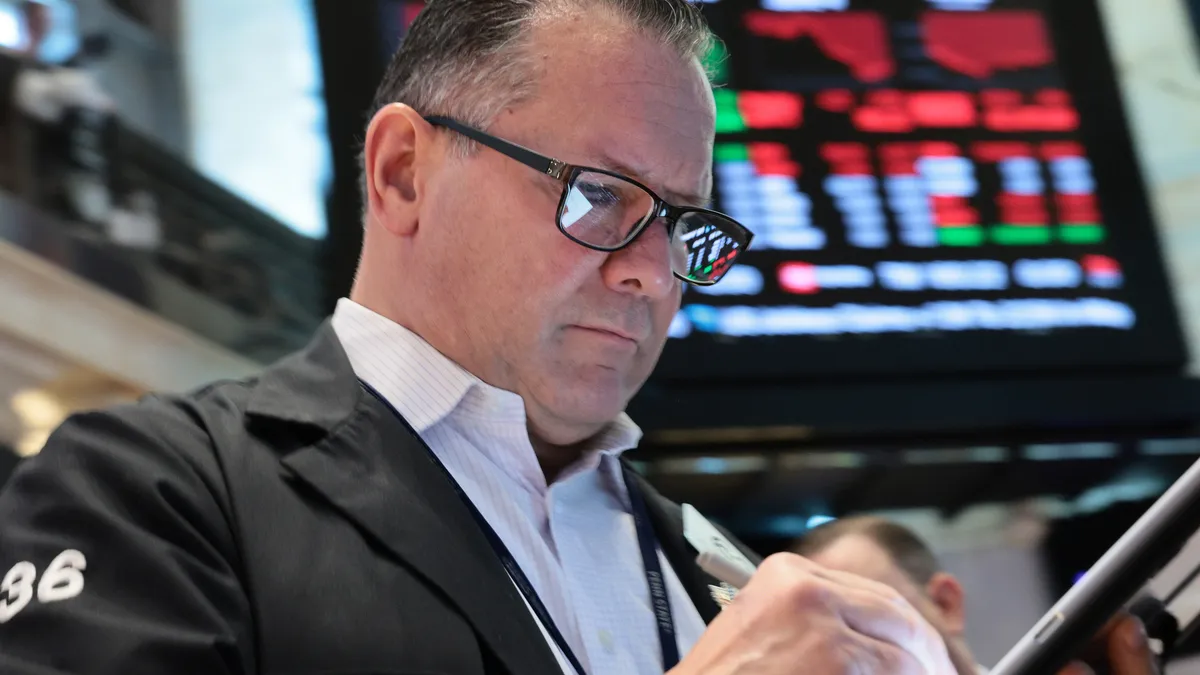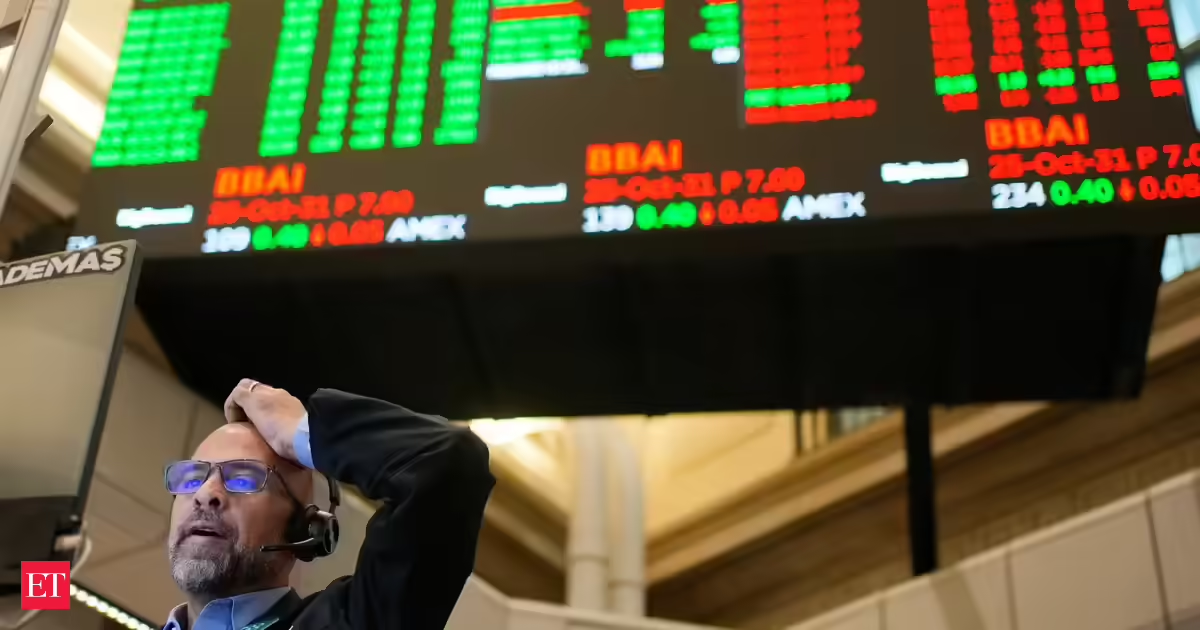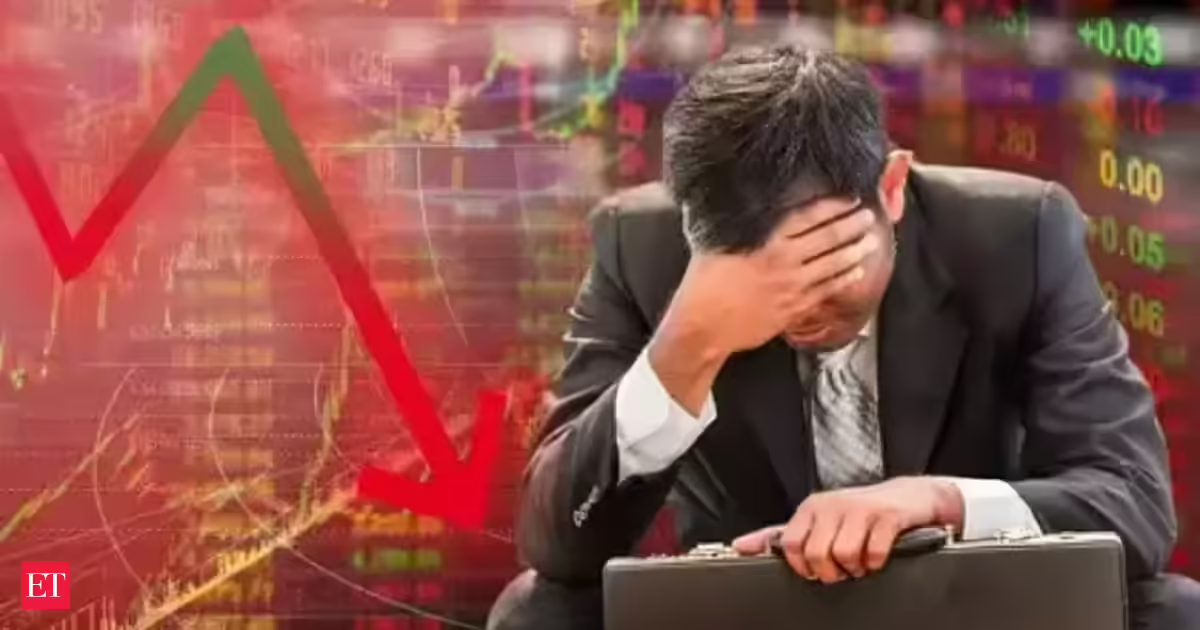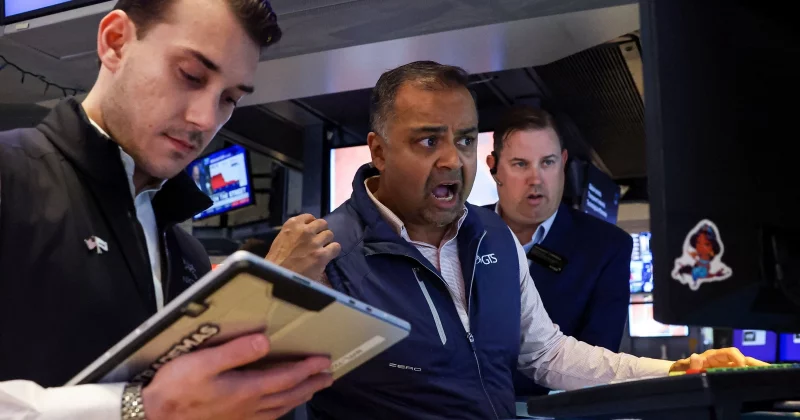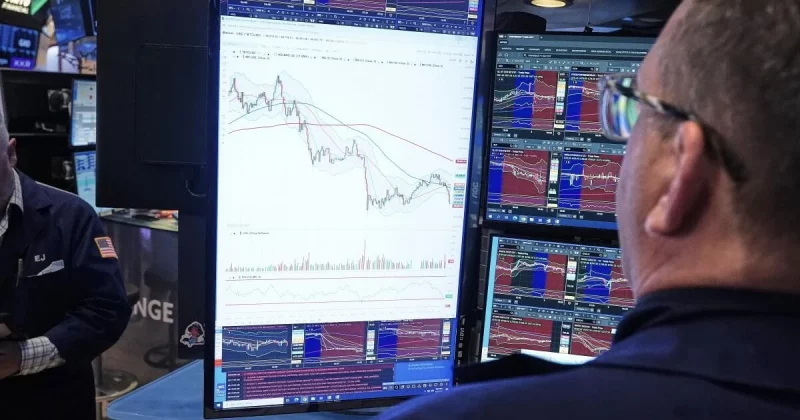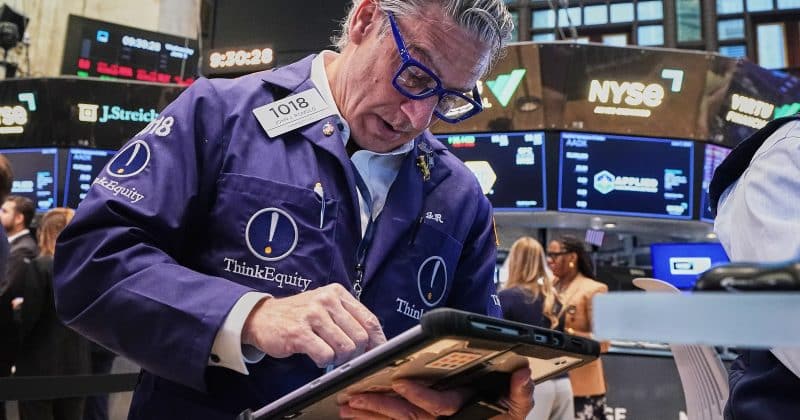
Wall Street just had one of those days where everything that could go wrong did. The S&P 500 shed roughly $1.8 trillion in market value on Friday, dropping 2.64% to close at 7,383.74. The Nasdaq Composite had it even worse, plunging 1,121.53 points, or 4.18%, to finish at 25,709.43, marking the largest single-day point decline in its history.
The catalyst? A jobs report so strong it spooked everyone. The Bureau of Labor Statistics released May employment data that blew past expectations, sending Treasury yields higher and effectively killing hopes that the Federal Reserve might cut rates anytime soon.
Good news is bad news, and bad news is everywhere
This is the classic “good news is bad news” dynamic that has haunted markets for years now. Robust hiring numbers mean the Fed has less incentive to ease monetary policy. Higher-for-longer interest rates make borrowing more expensive, compress valuations on growth stocks, and generally make investors reconsider whether they want to be holding risk assets at all.
The session snapped the S&P 500’s nine-week winning streak. Technology, AI, and semiconductor stocks bore the brunt of the damage, as these sectors are most sensitive to interest rate expectations because their valuations are built on future earnings projections.