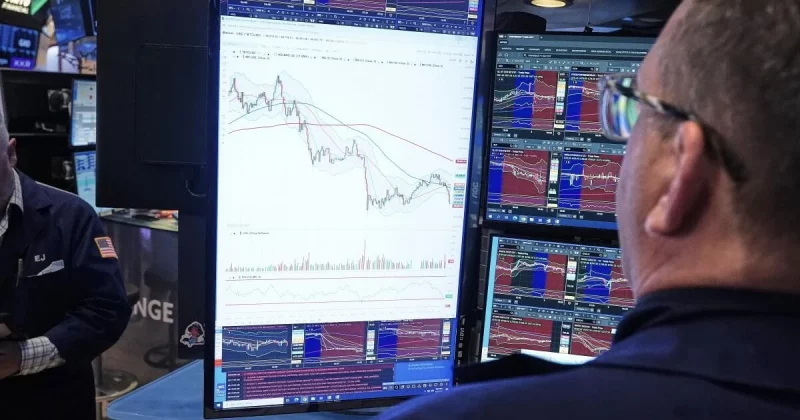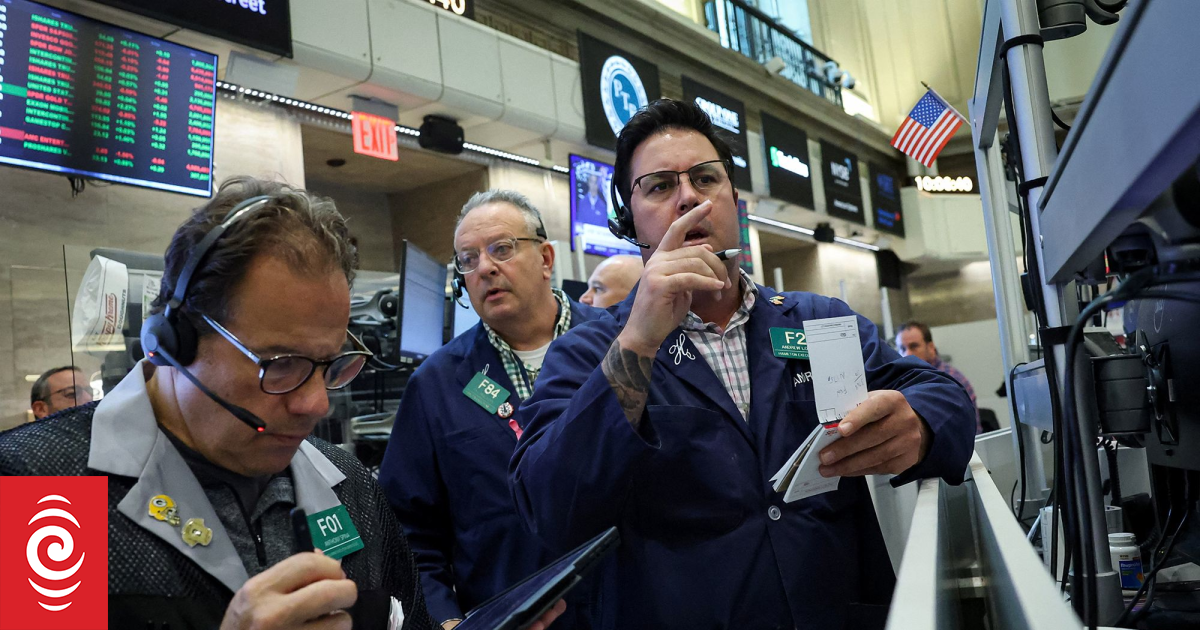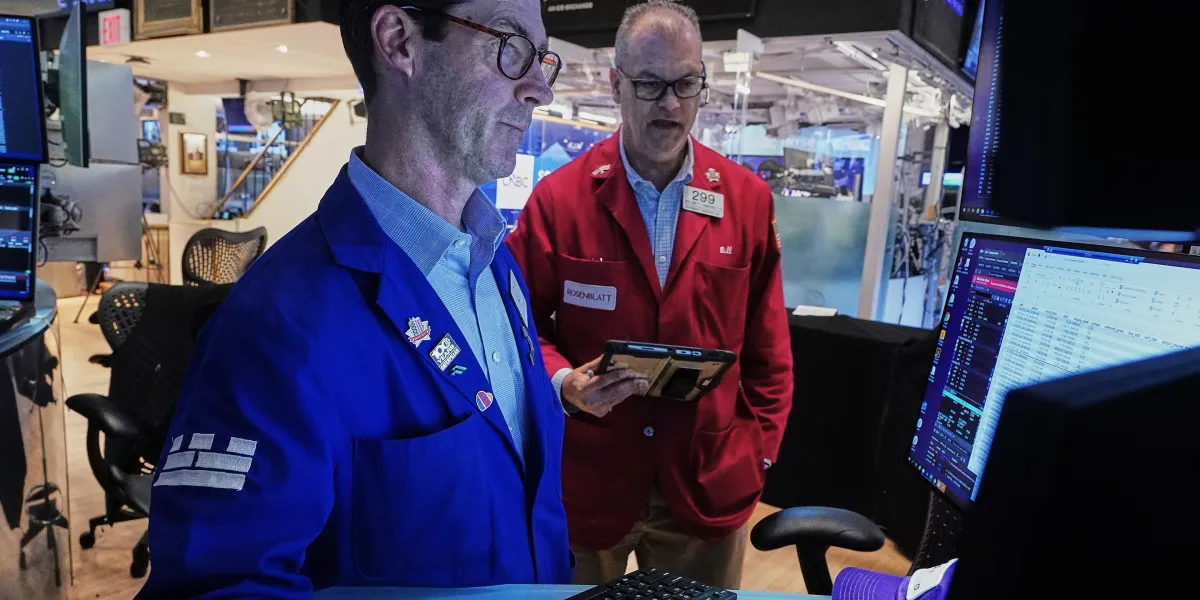
Wall Street just had the kind of day that makes portfolio managers stare at their screens in silence. The Nasdaq Composite posted its largest single-day point decline on record on June 5, while the S&P 500 shed roughly $1.8 trillion in market capitalization, falling 2.64% and snapping a nine-week winning streak.
The catalyst was a May jobs report that came in almost comically hot. Nonfarm payrolls surged by 172,000, nearly doubling the consensus estimate of roughly 86,000. The unemployment rate held steady at 4.3%. In English: the labor market is refusing to cool down, which means the Federal Reserve has very little reason to cut interest rates anytime soon.
A jobs report nobody wanted
Traders had been pricing in the expectation that a softening economy would give the Fed the cover it needed to start easing monetary policy. Instead, the May payrolls number suggested the economy is running hotter than expected, making persistent inflation harder to ignore.
The 10-year Treasury yield surged to 4.54% in response. When Treasury yields spike like that, it reprices risk across every asset class. Growth stocks, tech names, speculative plays: they all get hit hardest because their valuations depend heavily on future cash flows, which are worth less when discount rates climb.