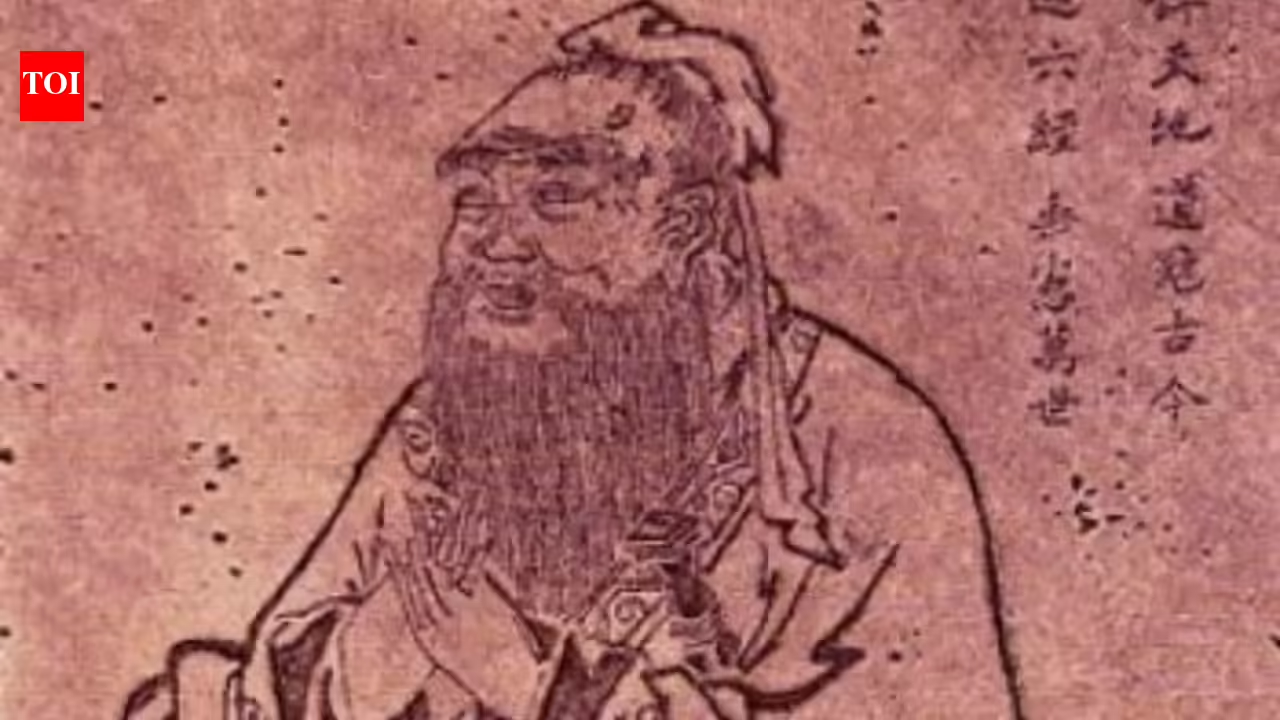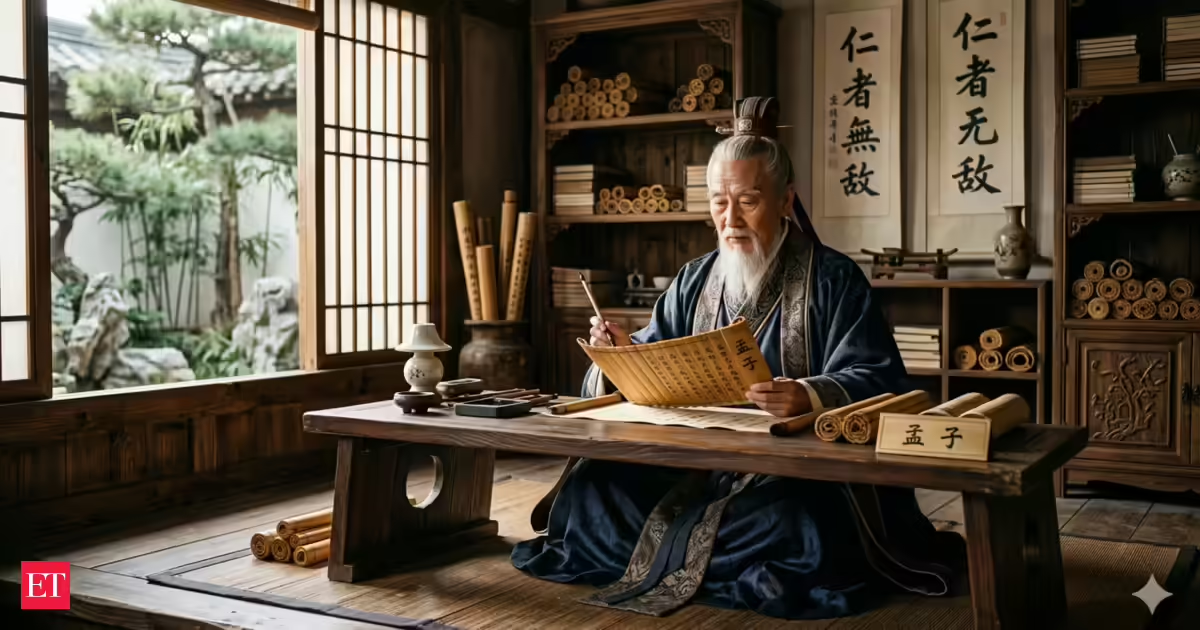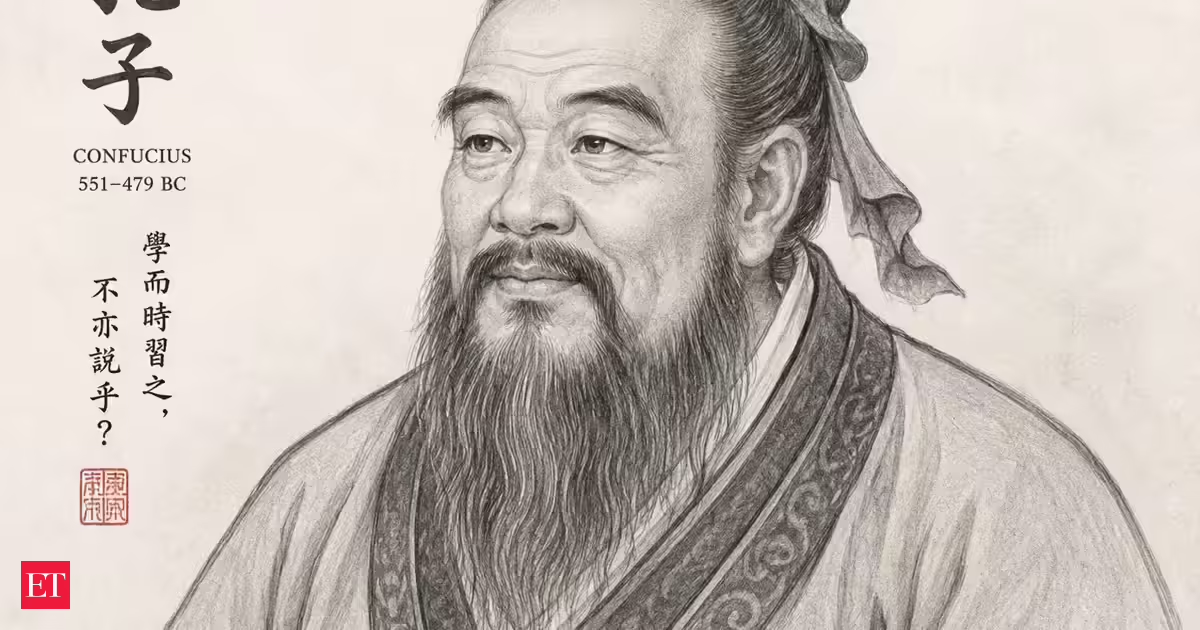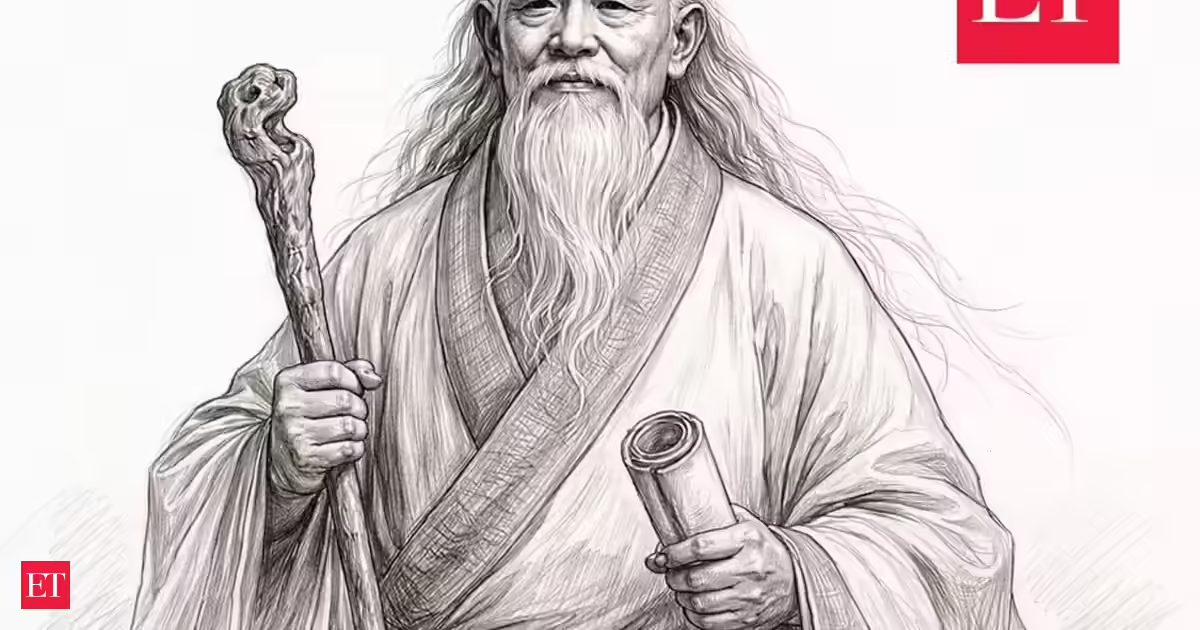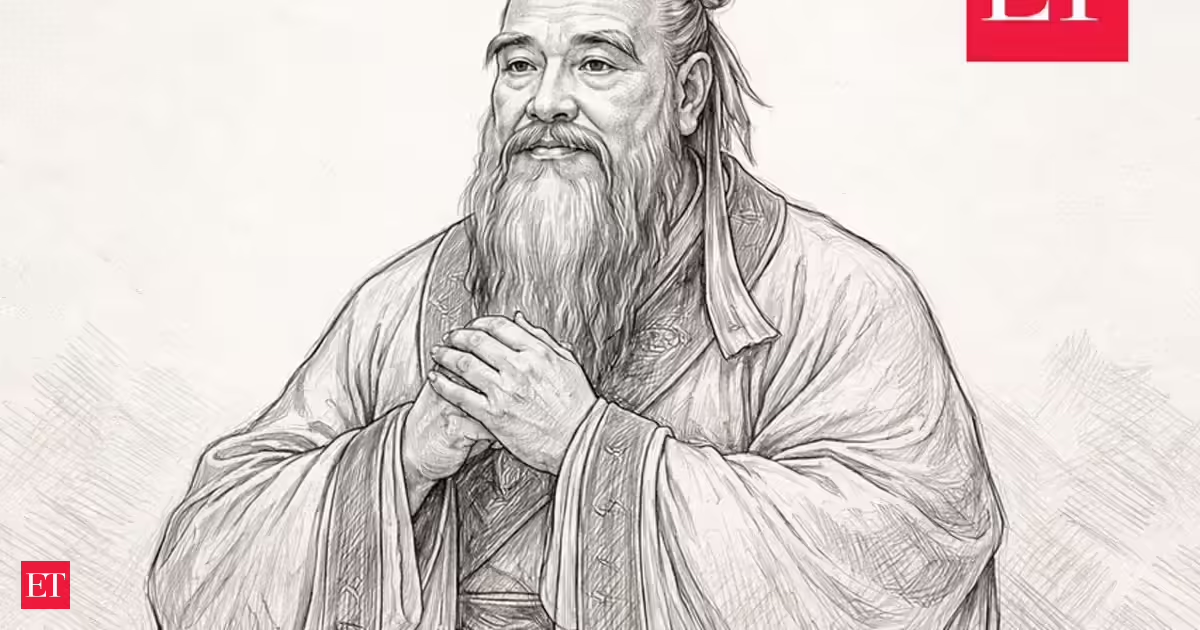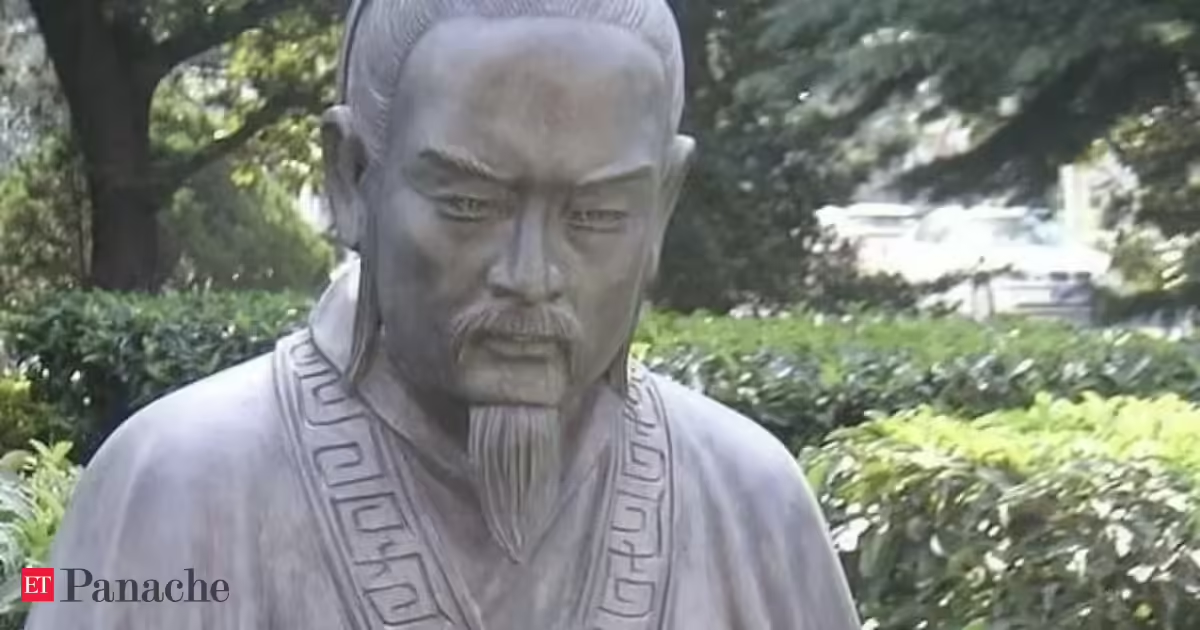
More than 2,000 years after he walked across ancient China advising kings and rulers, the words of Chinese philosopher Mencius continue to find new audiences online. In an age dominated by discussions about wealth, success and status, one quote attributed to him offers a refreshingly simple perspective on what truly matters. Rather than focusing on material achievements, it talks about the importance of human connections, hopes for the future and the moments that stay with us forever. That timeless message is perhaps why the quote continues to resonate with people across generations."The best things in life come in threes, like friends, dreams, and memories."The quote is widely attributed to Mencius, one of the most influential thinkers in Chinese history. Though the line itself is often shared on social media, its meaning aligns closely with the values Mencius championed throughout his life: compassion, human relationships, personal growth and living with purpose.Who was Mencius?Mencius, born Meng Ke around 371 BCE, is regarded as one of the most important figures in Confucian philosophy. He is often referred to as the "Second Sage" after Confucius because of his role in preserving and expanding Confucian teachings.You Might Also Like:According to the Stanford Encyclopedia of Philosophy, Mencius belonged to the fourth generation of Confucius' followers and spent much of his life travelling across various kingdoms during China's Warring States period. He met rulers, advised governments and advocated policies centred on morality, compassion and the welfare of ordinary people.One of his most influential beliefs was that human beings are naturally inclined toward goodness. He argued that when rulers govern with humanity and fairness, society flourishes naturally. He also supported social welfare measures, education, responsible governance, fair taxation and policies that would improve people's lives.Although many rulers of his time were more interested in power and warfare than moral governance, Mencius continued to promote his ideals throughout his life.What does the quote mean?At first glance, the quote appears simple. However, it presents a thoughtful way of looking at happiness and fulfilment.The line suggests that life's greatest treasures are not things that can be bought. Instead, they are found in relationships, aspirations and experiences. According to the commonly accepted interpretation, the three elements mentioned in the quote represent different stages of life.Friends symbolise the present. They are the people who stand beside us, offer support during difficult times and share moments of joy. Friendship provides connection, belonging and emotional strength.Dreams represent the future. They give people something to work towards and a reason to keep moving forward. Dreams fuel ambition, inspire growth and create hope even during uncertain times.Memories symbolise the past. They preserve the experiences, lessons and moments that shape who we become. Whether joyful or challenging, memories remind us how far we have come.Together, friends, dreams and memories form a complete timeline of life, connecting the past, present and future in a meaningful way.Why the message still feels relevant todayPart of the quote's enduring popularity comes from its simplicity. In a world where success is often measured through money, possessions and social status, the quote encourages people to focus on things that have deeper emotional value.Many people spend years chasing professional achievements only to realise that relationships, personal experiences and meaningful goals often bring greater satisfaction.The quote serves as a reminder that happiness is rarely found in material possessions alone. Instead, it grows through strong friendships, meaningful aspirations and moments worth remembering.What does the quote teach us?One of the biggest lessons from the quote is the importance of balance. Friends remind us to stay connected in the present. Dreams encourage us to keep building for the future. Memories help us appreciate the journey that brought us here.The quote also teaches that personal fulfilment often comes from human connection rather than external validation. It encourages people to nurture relationships, pursue meaningful goals and cherish experiences rather than constantly seeking material rewards.This lesson closely talks about Mencius' broader philosophy. According to the Stanford Encyclopedia of Philosophy, he believed that moral values, compassion and concern for others form the foundation of a good life and a healthy society.More than two millennia later, that idea remains remarkably relevant. While technology, politics and lifestyles have changed dramatically since Mencius' time, the importance of friendship, hope and cherished memories remains as powerful as ever.
Quote of the day by Chinese philosopher Mencius: 'The best things in life come in threes, like friends, dreams, and memories' - A timeless lesson on happiness
Ancient Chinese philosopher Mencius' timeless wisdom on life's true treasures continues to resonate online. His quote highlights the enduring importance of human connections, aspirations, and cherished experiences over material wealth. Read on to know more about it in detail.
711 words~3 min read