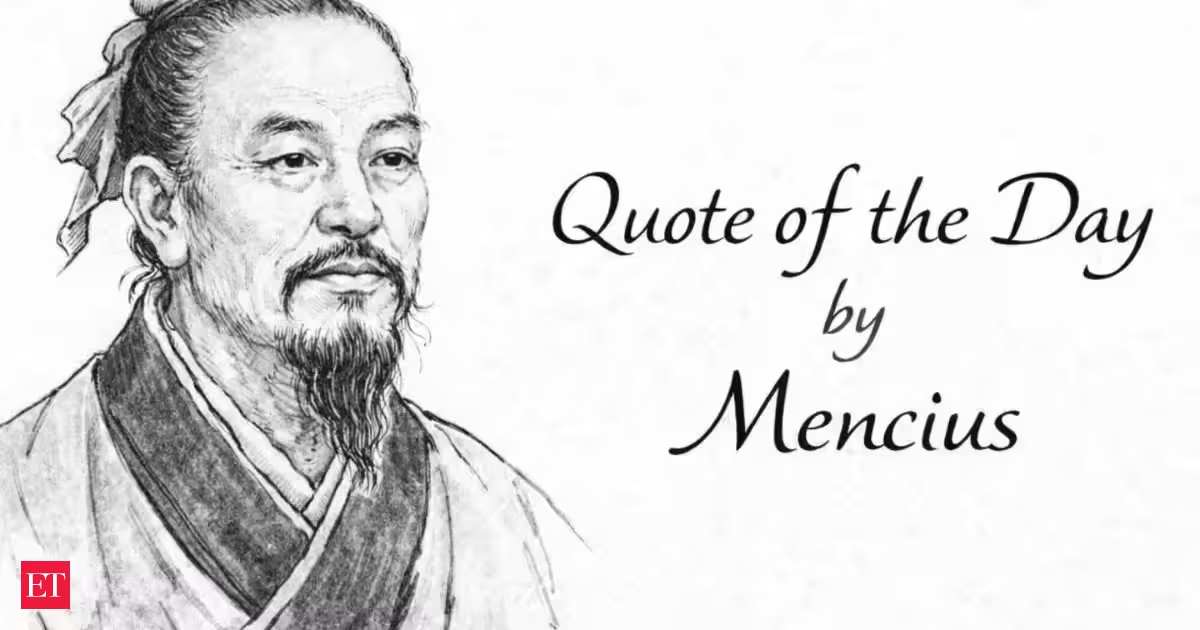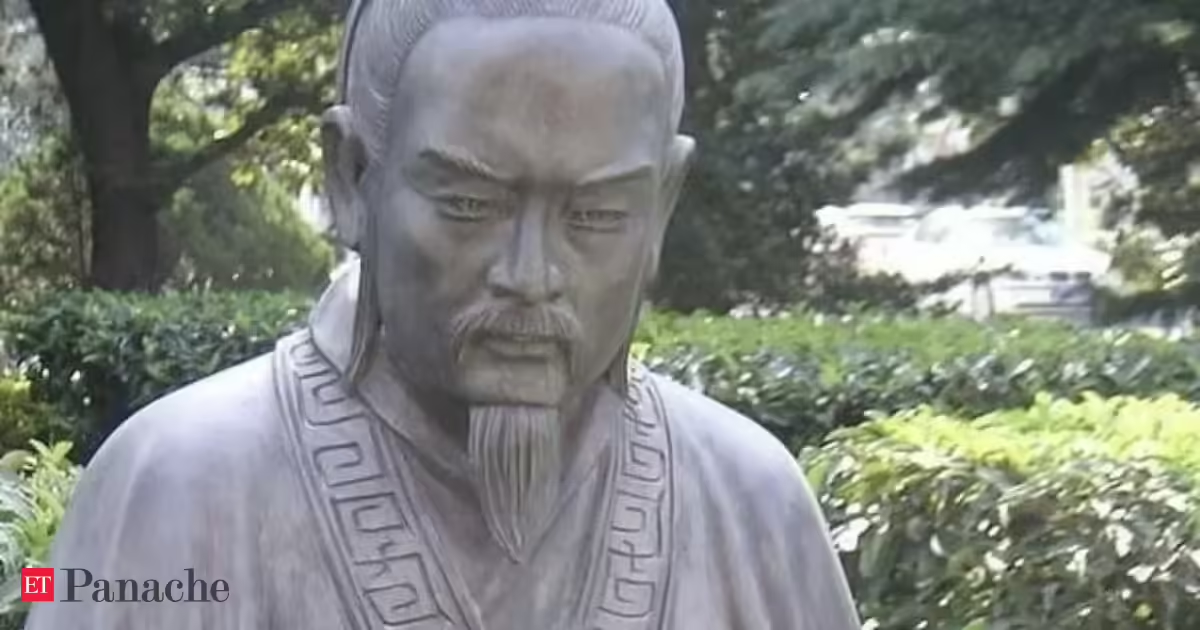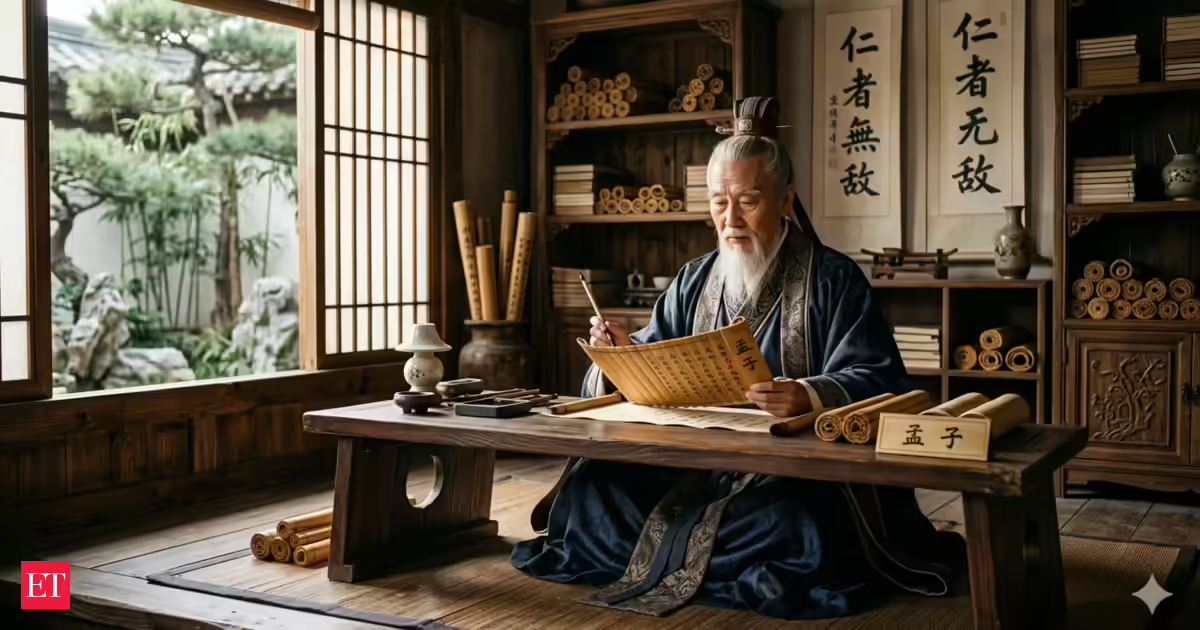
Quote of the Day by Chinese Philosopher Mencius: We live in a world where success is generally measured by money, power, and influence. Life has become a constant race of upgrading status, outperforming others, and proving worth through numbers and external validation. In this process, people rarely notice how quietly they change—not just in lifestyle, but in how they think, feel, and respond to the world around them.ALSO READ: African proverb of the dayIt is in this context that the ancient Chinese philosopher Mencius offers a thought that feels less like philosophy and more like a reminder: “A great man is he who has not lost the heart of a child.” This simple idea speaks to how we grow, and what we risk losing along the way.ALSO READ: From $22 billion to zero: Success, not failure, brought Byju downWhat this quote meansThis idea is not about remaining childish. It is about preserving inner sincerity while growing into adulthood. The “heart of a child” represents qualities such as:Natural kindness without hidden motivesEmotional honestyAbility to trust and feel deeplyCuriosity about lifeFreedom from cynicismAccording to Mencius, human nature is originally good, but life experiences can either preserve or obscure that goodness.True greatness, therefore, is not defined by power or intelligence alone—but by the ability to remain genuine despite experience.Why Mencius emphasized this ideaMencius believed that human nature is fundamentally good, but it requires protection and cultivation. In modern life, people often lose this natural goodness due to:Constant competition and pressure to succeedEmotional pain and betrayalComparison with othersSurvival-driven thinkingOver time, these experiences can make people more guarded, less trusting, and emotionally distant. In this view, the “great man” is not someone untouched by struggle, but someone who does not become hardened by it.Real-life examples of a “child’s heart”1. Leadership with empathyA leader who treats people with respect, listens actively, and remembers human effort behind results reflects this idea.2. Success without egoA successful professional who remains humble, acknowledges support from others, and avoids arrogance preserves emotional balance.3. Relationships with sincerityA person who continues to express care honestly, apologizes when wrong, and trusts without over-calculation reflects emotional openness.Why this idea matters todayIn today’s fast-paced and competitive world, strength is often misunderstood as emotional hardness.But Mencius suggests the opposite:Strength is not emotional detachmentStrength is not losing empathyStrength is staying human under pressureA person may become successful in external terms, but if they lose emotional depth and sincerity, something essential is missing. Real greatness, in this sense, is not just achievement—it is preservation of character.Final thoughtThe philosophy of Mencius remains relevant because it focuses on something timeless: the inner self. In a world driven by external success, this thought quietly asks: Have you truly grown wiser—or simply become more guarded?More inspiring quotes by Mencius“The feeling of right and wrong is the beginning of wisdom.”“Sincerity is the way to Heaven.”“When Heaven is about to place a great responsibility on a man, it first exhausts his mind and body.”“Only when there are things a man will not do is he capable of doing great things.”“People are distressed by their inability to do it. The problem, however, is simply that they don’t do it.”“Getting something done is like digging a well; if you do not reach water, it is still an abandoned effort.”“A man must not be without shame, for the shame of being without shame is shamelessness indeed.”
Thought of the Day by Chinese Philosopher Mencius: "A great man is he who has not lost..."
Quote of the Day: Ancient philosopher Mencius reminds us that true greatness lies in retaining a child's heart – natural kindness, emotional honesty, and trust – despite life's challenges. In today's competitive world, this inner sincerity, not emotional hardness, defines strength. Preserving character alongside external success is paramount for genuine growth and wisdom.
558 words~3 min read