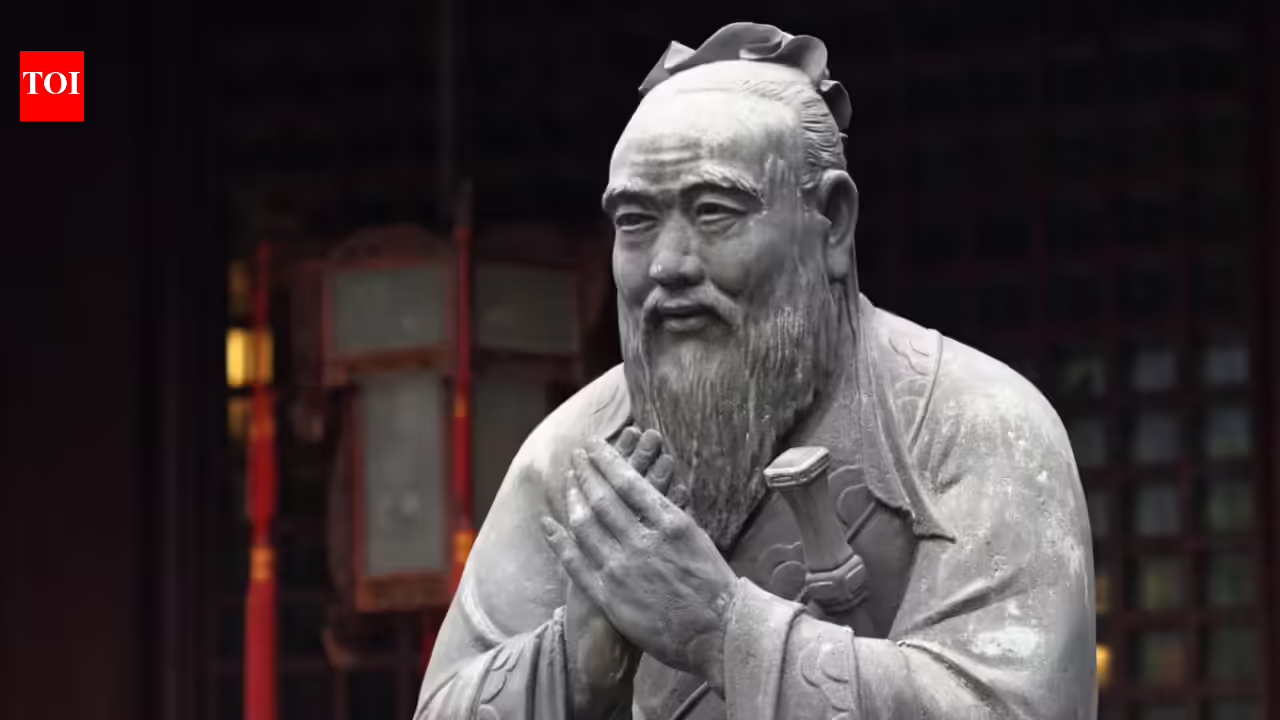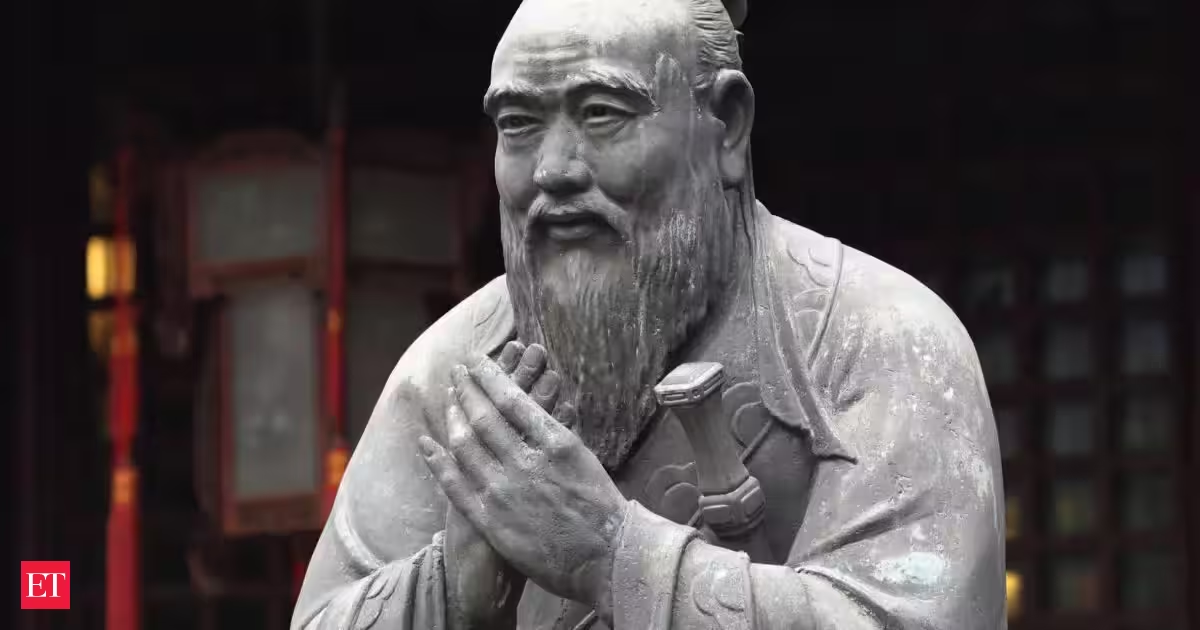
Chinese proverbs have long been admired for their depth, simplicity, and timeless understanding of human nature. Passed down across generations, these sayings reflect values deeply rooted in Chinese philosophy, especially the teachings of humility, self-improvement, respect, and continuous learning. Many of these proverbs remain remarkably relevant today because they address universal truths about relationships, growth, and wisdom. One of the most thoughtful and inspiring Chinese sayings states:“When three people walk together, there must be one I can learn from.”This famous proverb, often associated with the Chinese philosopher Confucius, reflects a powerful belief that every individual has knowledge, experience, or qualities worth learning from. It encourages humility and reminds people that wisdom is not limited to scholars, leaders, or the highly educated. Every encounter in life offers an opportunity for personal growth if one remains open-minded enough to learn.You Might Also Like:What does this Chinese Proverb mean?At its core, the proverb teaches that no person knows everything. Even in a small group of people, there is always someone who possesses a skill, perspective, strength, or lesson that others can benefit from.The statement reflects humility rather than insecurity. A wise person does not assume superiority over others. Instead, they recognize that knowledge exists everywhere—in different personalities, experiences, backgrounds, and even mistakes.You Might Also Like:The proverb also encourages observation. Learning is not confined to classrooms or formal teaching. Life itself becomes a school when people pay attention to others around them.Importantly, the saying suggests that learning should be constant. Wisdom is not a final destination but an ongoing process. No matter one’s age or status, there is always room for growth.The Historical and Philosophical ContextThis proverb is closely linked to Confucian philosophy, which has shaped Chinese culture for centuries. Confucius strongly emphasized education, moral self-improvement, humility, and respect for others.You Might Also Like:In Confucian thought, a truly wise person is not arrogant. Instead, wisdom comes from recognizing one’s own limitations and remaining eager to improve. Confucius believed that human beings grow through observation, reflection, and interaction with others.The proverb reflects this philosophy perfectly. It teaches that every social interaction contains potential lessons. One person may teach through admirable qualities, while another may teach through mistakes that should be avoided.This broader view of learning helped shape a culture that values education not merely as academic achievement, but as lifelong personal development.How This Proverb Applies in Everyday LifeThe wisdom of this proverb appears constantly in modern life. In workplaces, employees often assume that only managers or senior professionals have valuable knowledge. Yet younger colleagues, interns, or people from different departments may offer fresh perspectives, creative ideas, or practical skills that others lack.In friendships and relationships, people learn patience, empathy, communication, and emotional understanding through interactions with others. Every relationship teaches something important about human nature and oneself.The proverb also applies strongly in education. Students may learn from teachers, but teachers also learn from students. Curiosity, creativity, and new perspectives often emerge from unexpected places.In family life, children sometimes teach adults important lessons about honesty, joy, resilience, or simplicity. Likewise, elders pass down wisdom shaped by life experience.Even difficult people can become teachers. Someone’s mistakes, poor behavior, or negative attitudes may reveal habits we should avoid in ourselves. The proverb encourages people to approach life with curiosity rather than judgment.The Deeper Meaning Behind the WordsBeyond its surface message, the proverb carries profound insights about ego and human growth. One deeper lesson is the importance of humility. Pride often prevents learning. People who believe they already know everything stop growing emotionally and intellectually.The proverb also teaches respect for human diversity. Every individual has lived a unique life and therefore carries unique experiences and insights.Another deeper layer involves self-awareness. Learning from others requires the ability to honestly recognize one’s own weaknesses and limitations.The proverb also reflects interconnectedness. Human beings develop through relationships and shared experiences rather than isolation.There is also a moral dimension to the saying. Wise people do not compete to appear superior. Instead, they focus on becoming better through continuous learning.Why This Proverb Is Still Relevant TodayIn today’s world, this proverb feels especially important. Modern society often rewards confidence, self-promotion, and the appearance of expertise. Social media encourages people to present themselves as knowledgeable and successful at all times.Yet this environment can sometimes discourage humility and listening. The proverb offers a valuable counterbalance. It reminds people that wisdom begins with openness rather than certainty.In multicultural societies, the saying is also highly relevant. People interact daily with individuals from different cultures, professions, generations, and backgrounds. Remaining willing to learn from others creates understanding and reduces prejudice.The proverb is especially meaningful in leadership. The best leaders are often those willing to listen, learn, and adapt rather than assuming they always have the right answers.It also applies strongly to personal growth. People who continue learning throughout life tend to remain intellectually curious, emotionally flexible, and socially connected.The Underlying Theme: Wisdom Requires HumilityThe central theme of this proverb is humble learning. It teaches that wisdom does not come from believing oneself superior, but from recognizing that every person has something valuable to offer.Another important theme is lifelong growth. Learning should never stop, regardless of age, status, or achievement.The proverb also highlights respect. Truly wise individuals value the experiences and perspectives of others rather than dismissing them.Ultimately, the saying encourages openness—to people, ideas, experiences, and self-improvement.How the Proverb Applies to Social LifeIn social life, this proverb encourages healthier and more meaningful relationships. People often enter conversations focused on speaking rather than listening. The proverb shifts attention toward learning from others instead of constantly proving oneself.It also promotes empathy. Understanding that everyone carries valuable experiences encourages greater patience and respect.In communities and workplaces, this mindset strengthens collaboration. Teams function better when individuals value one another’s contributions instead of competing for superiority.The proverb also helps reduce arrogance and prejudice. People become less likely to underestimate others when they recognize that wisdom can come from anyone.The Relevance of Lifelong LearningOne of the most powerful messages in this proverb is the importance of lifelong learning. Many people stop actively learning after formal education ends. Yet life constantly presents opportunities for growth through conversations, challenges, travel, relationships, and reflection.The proverb encourages intellectual curiosity at every stage of life. A person who remains teachable continues evolving emotionally and mentally.In a rapidly changing modern world, this mindset becomes even more valuable. Technology, culture, and society continue evolving, making adaptability essential.Those willing to learn from others are often better prepared for change than those who cling rigidly to their own assumptions.“When three people walk together, there must be one I can learn from” is far more than a simple Chinese proverb. It is a timeless lesson about humility, openness, and the endless opportunities for learning hidden within everyday life.It reminds us that wisdom exists all around us—in friends, strangers, children, elders, successes, and even failures. Every human interaction has the potential to teach something meaningful.In a world often driven by ego and certainty, this proverb encourages a different path: listening more carefully, observing more deeply, and remaining willing to grow. The wisest people are not those who believe they know everything, but those humble enough to keep learning from everyone they meet.You Might Also Like:
Chinese Proverb of the Day: 'When three people walk together, there...'-Life lessons from the Analects of Confucius on humility, wisdom, lifelong learning, and why every person has something valuable to teach
A Chinese proverb teaches that in any group, there is someone to learn from. This wisdom emphasizes humility and continuous growth. It highlights that everyone possesses unique knowledge and experiences. This perspective fosters respect and understanding in all interactions. Embracing this idea leads to personal development and a richer understanding of the world around us.
1,196 words~5 min read