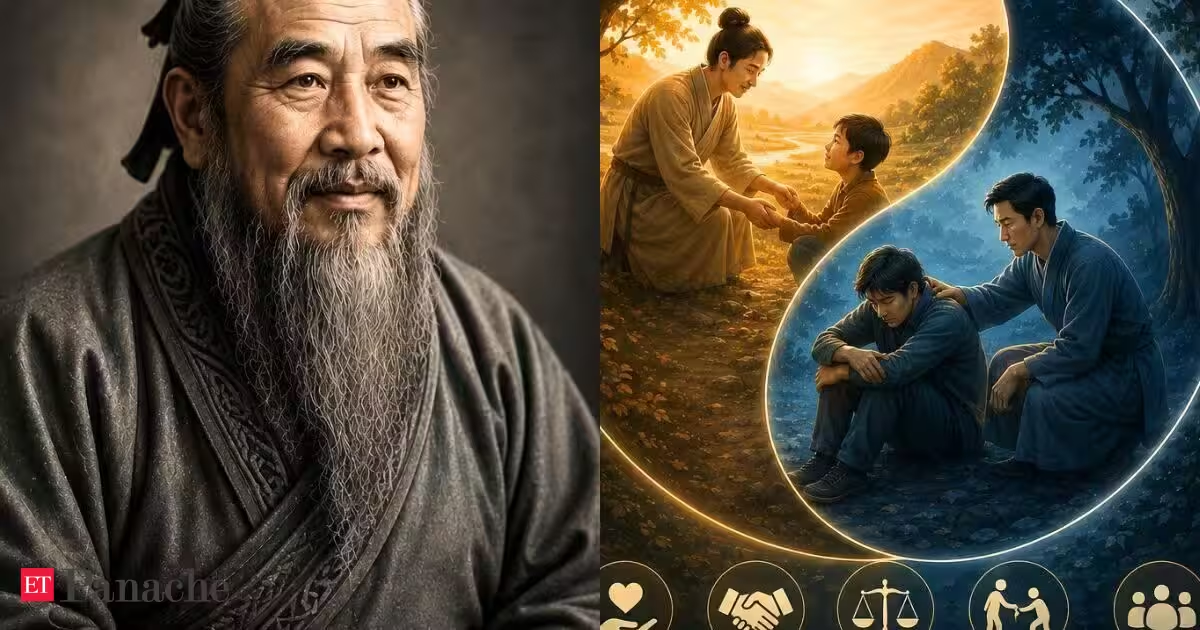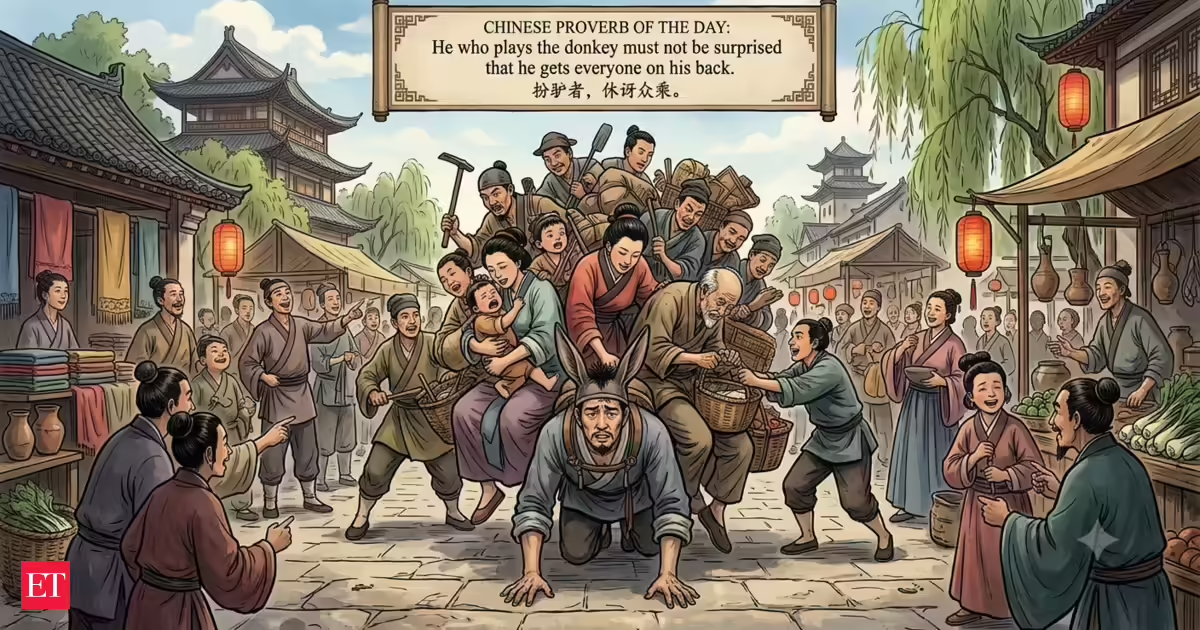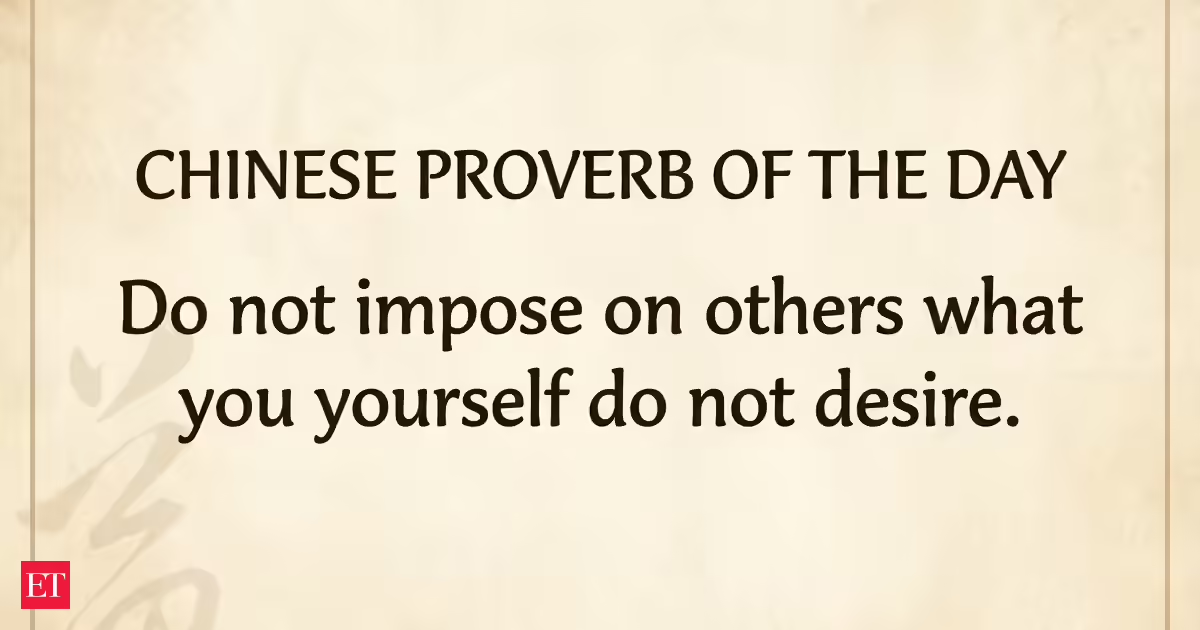
Chinese Proverb of the Day: People often expect kindness, fairness, and understanding from those around them. Yet the true test of character lies in offering the same consideration to others. The Chinese proverb, "Do not impose on others what you yourself do not desire," expresses one of humanity's oldest and most universal moral principles.Commonly associated with the teachings of Confucius, this simple saying encourages people to place themselves in another person's position before acting. It reminds us that respect, compassion, and empathy form the foundation of healthy relationships and harmonious communities.Though centuries old, its message remains remarkably relevant in today's fast-moving and deeply connected world.Understanding the meaning of the Chinese sayingYou Might Also Like:"Do not impose on others what you yourself do not desire."If something would hurt, inconvenience, embarrass, or upset you, it should not be forced upon another person. The wisdom encourages self-reflection before action. Would you want to be treated unfairly? Lied to? Ignored during difficult moments? Judged without understanding? If the answer is no, then the same treatment should not be given to others.The proverb transforms morality from a set of rules into an exercise in empathy. It asks people to use their own feelings and experiences as guides for treating others with dignity.You Might Also Like:What this Chinese proverb teaches about relationshipsOne important lesson is that empathy creates stronger communities. Human beings naturally seek respect and kindness. When individuals consider how their actions affect others, trust grows and conflicts become easier to resolve.The proverb also teaches personal responsibility. Rather than waiting for society to become more compassionate, each person is encouraged to practice fairness in everyday interactions. Another lesson involves humility. People sometimes assume their preferences, beliefs, or expectations should apply universally. This ancient wisdom reminds us that understanding and consideration are more valuable than imposing our will on others.True harmony begins with mutual respect.You Might Also Like:Life lessons from the proverbTreat others as you wish to be treatedThe principle remains one of the most enduring moral guidelines in human history. Respect given often becomes respect received.Empathy requires imaginationBefore acting, people should ask themselves how they would feel if the situation were reversed.Kindness starts with everyday choicesSimple actions such as listening carefully, speaking respectfully, and showing patience contribute to stronger relationships.Power should be exercised with compassionWhether in families, workplaces, or communities, leadership is most effective when grounded in understanding rather than control.Chinese proverb of the day: Why this message matters more than everModern life connects people from different backgrounds, cultures, and perspectives more than ever before. While this creates opportunities, it also presents challenges. Social media, public debates, and fast-paced communication sometimes encourage quick judgments and harsh reactions. The wisdom of this Chinese proverb offers a much-needed reminder to pause and consider the impact of our words and actions.The principle extends beyond personal relationships. It influences leadership, education, business, and community life. Societies built on mutual respect tend to be stronger, more peaceful, and more compassionate.In a world where disagreement is inevitable, empathy remains essential.Popular Chinese proverbs you should knowChinese tradition offers countless sayings filled with wisdom about life and character."A journey of a thousand miles begins with a single step.""Better to light one candle than to curse the darkness.""The person who removes a mountain begins by carrying away small stones.""You cannot prevent the birds of sadness from passing over your head, but you can prevent their making a nest in your hair."Life lesson: The world changes one act of kindness at a timeAt the end of the day, this ancient Chinese wisdom offers a simple question that everyone can ask before speaking or acting, "Would I want this done to me?"If the answer is no, perhaps another path should be chosen. The proverb reminds us that respect is not complicated. It begins with recognizing our shared humanity and understanding that every person desires fairness, dignity, and kindness.After all, building a better world does not always require grand gestures. Sometimes it begins by refusing to impose on others what we would never accept for ourselves.You Might Also Like:
Chinese Proverb of the Day: 'Do not impose on others what you yourself do not desire...'- A timeless lesson on respect, empathy, and human dignity
Chinese Proverb of the Day: A timeless Chinese proverb, often linked to Confucius, urges us to consider others' feelings before acting: 'Do not impose on others what you yourself do not desire.' This profound wisdom emphasizes empathy, respect, and personal responsibility, reminding us that treating others with fairness and kindness builds stronger communities. In our interconnected world, this ancient lesson remains crucial for fostering harmony and understanding in everyday interactions.
672 words~3 min read