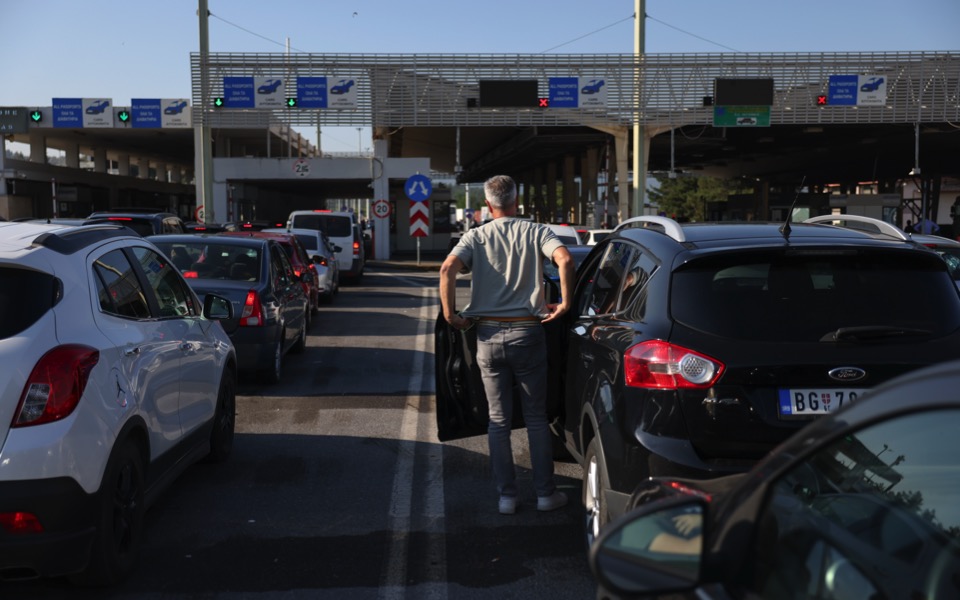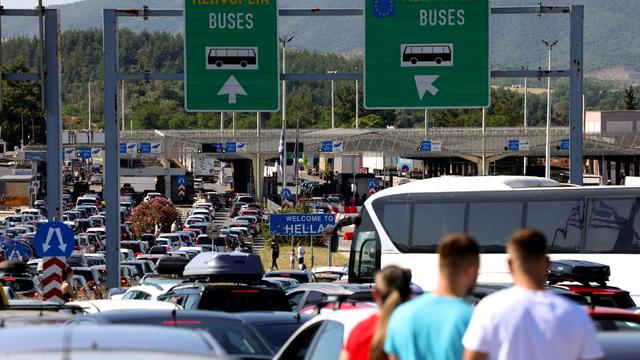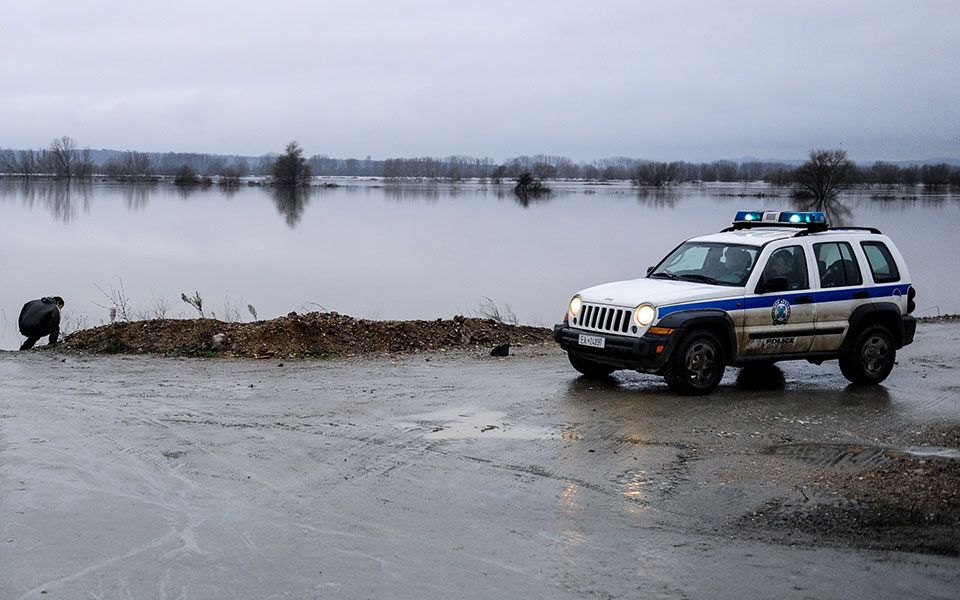
“This activity has never stopped in our region. The area here is flat, it has no mountains, and is suitable for illegal entry and exit. We have a lot of traffic, even Chinese nationals,” says Christos Kariotoudis, president of the Kilkis Police Officers’ Association, describing the current situation at the border crossing between Greece and North Macedonia.
“I was serving at Idomeni at the time and I remember that we had warned early on about the upcoming ‘storm’ of 2015-2016, but instead of strengthening the local police forces here at the border to prevent the influx, they reduced them.”
On these days, exactly 10 years ago, Greek authorities started evacuating the vast camp that had been set up in the plains of Idomeni, northern Greece, moving 15,000 refugees and irregular migrants. The move aimed to reduce the pressure on the so-called “Balkan Route.”
What did that unprecedented tsunami of souls that upended the quiet life of the nearby tiny village of Idomeni and panicked Europe leave behind on the field, and in the minds of the locals? What was happening on the banks of the Axios River and in the abandoned train cars, when night fell? Were there locals who became rich from the presence of the refugees? What diplomatic game was played on the other side of the barbed wire with North Macedonia?