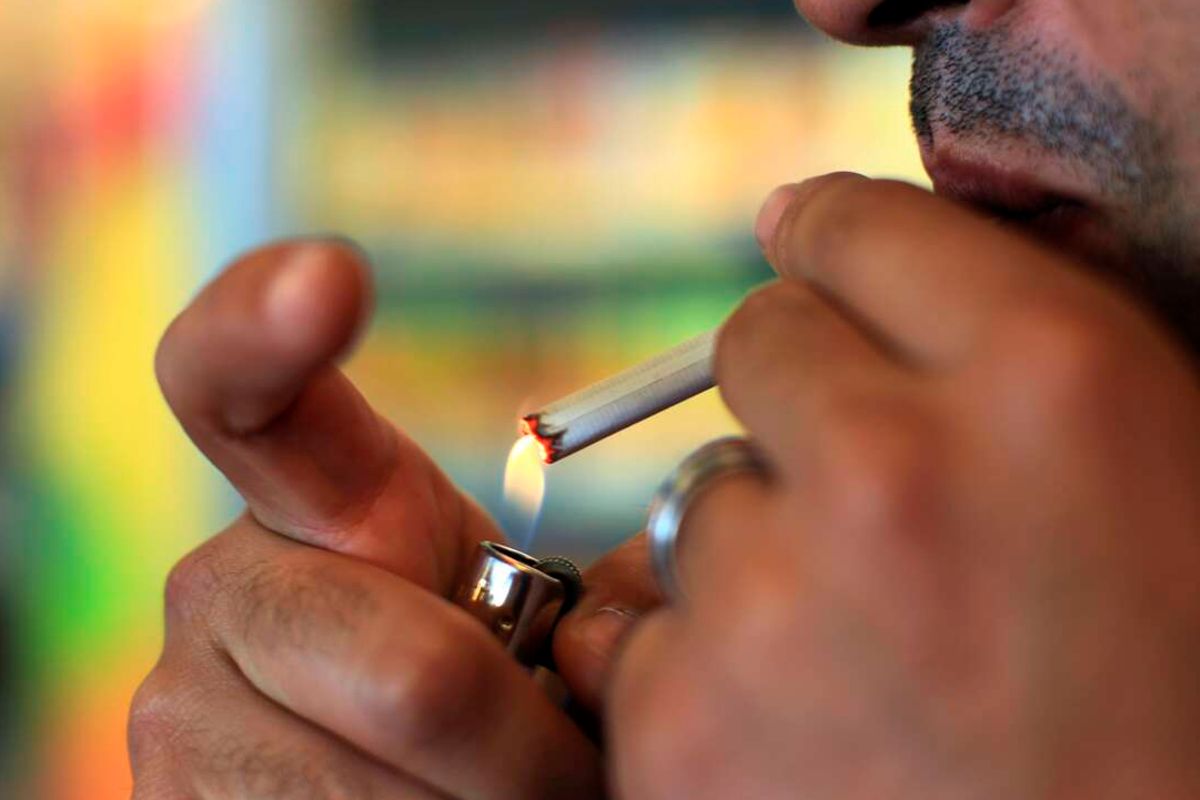
There is a bitter irony in the history of tobacco. Jean Nicot, the man who helped introduce tobacco to Europe, gave his name to nicotine, the very substance that would later trap millions of people in addiction.
What was once marketed as a plant of healing has become one of the world’s most lethal consumer products. Today, tobacco has found more modern disguises: freedom, style, rebellion, technology and even self-expression.
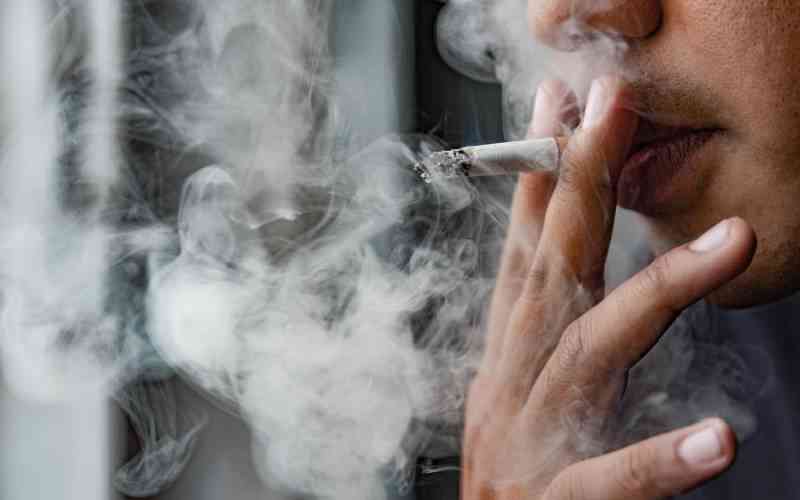
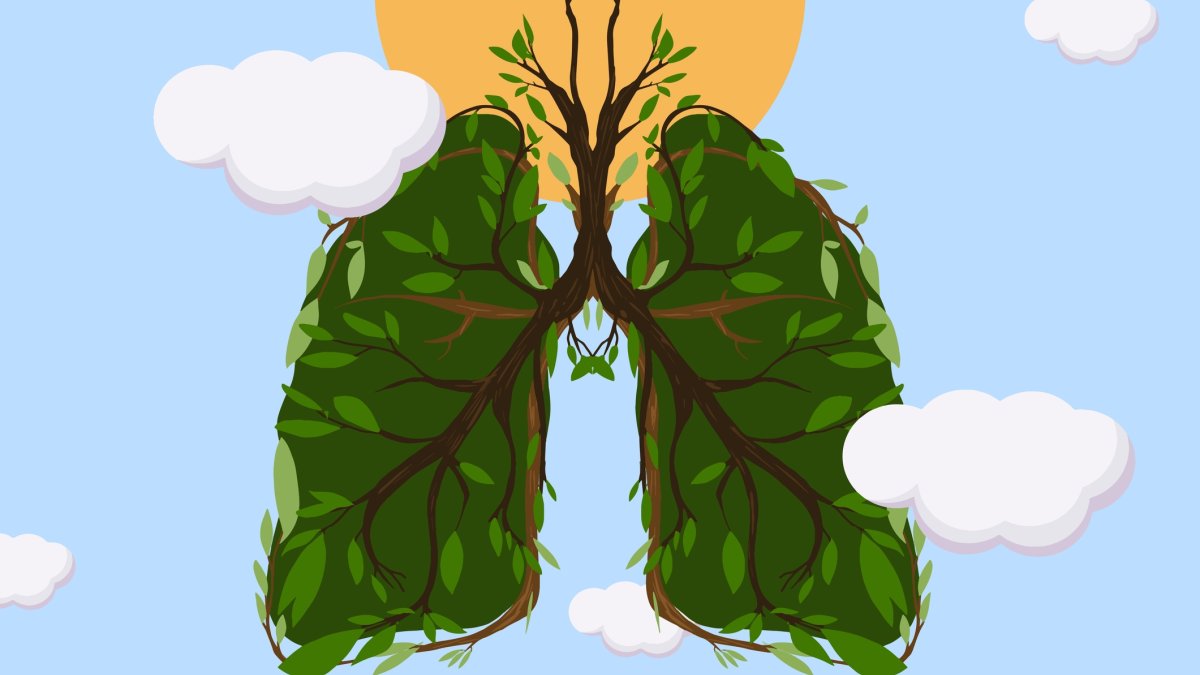
According to the World Health Organization (WHO), tobacco kills more than 8 million people every year. Lung cancer remains one of its deadliest consequences. Exposure to secondhand smoke also turns one person’s habit into a health threat for many others.
Yet tobacco remains one of the most normalized causes of preventable death. It is sold at street corners. It appears near schools. It lingers at cafe entrances, playgrounds, hospital gates and public spaces. It is treated as a private habit, although its effects are deeply public.
The most worrying part of this story is not only what tobacco does to adults. It is what the nicotine industry is doing to children and young people.