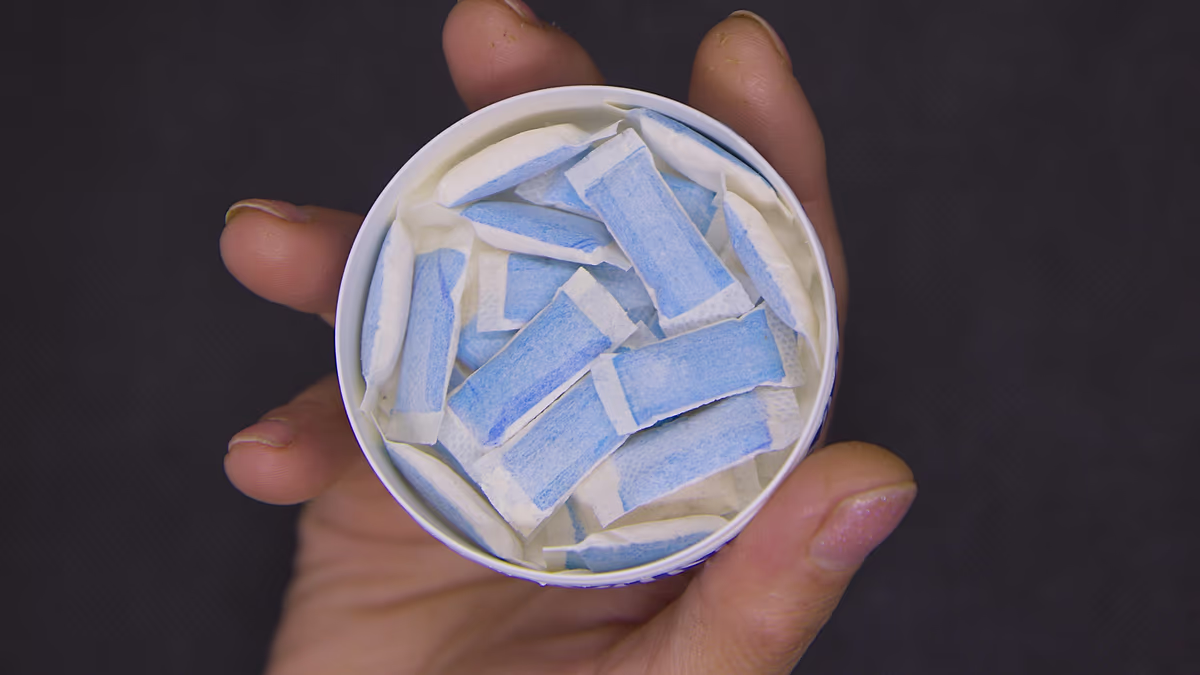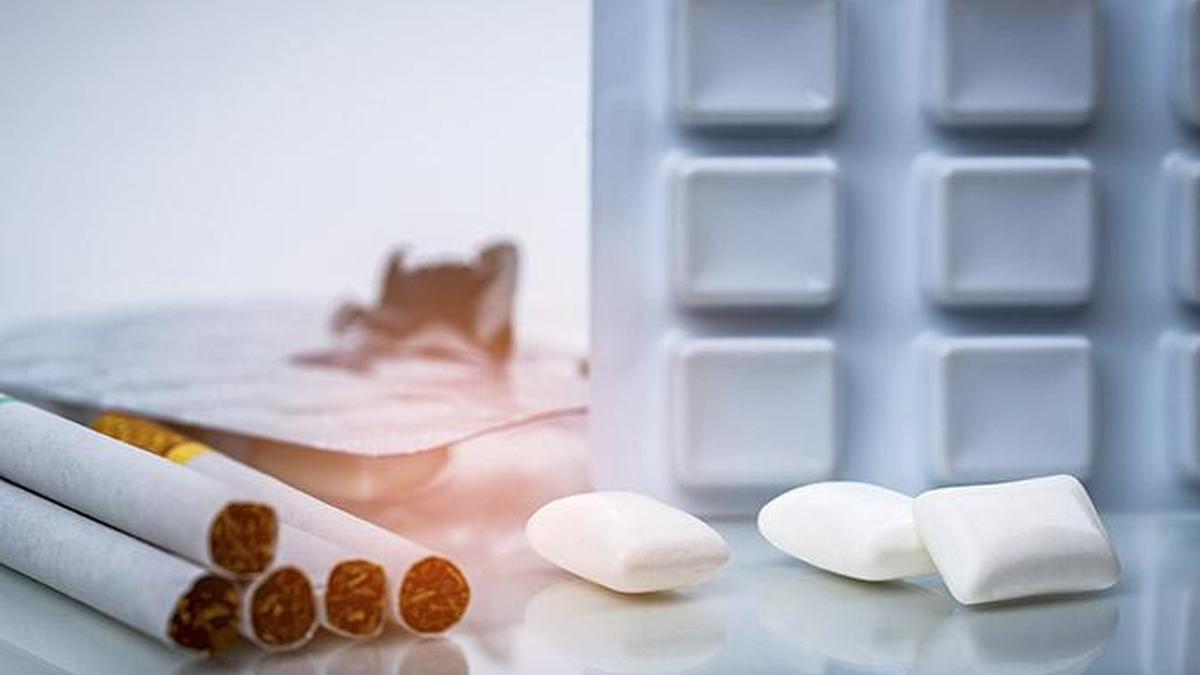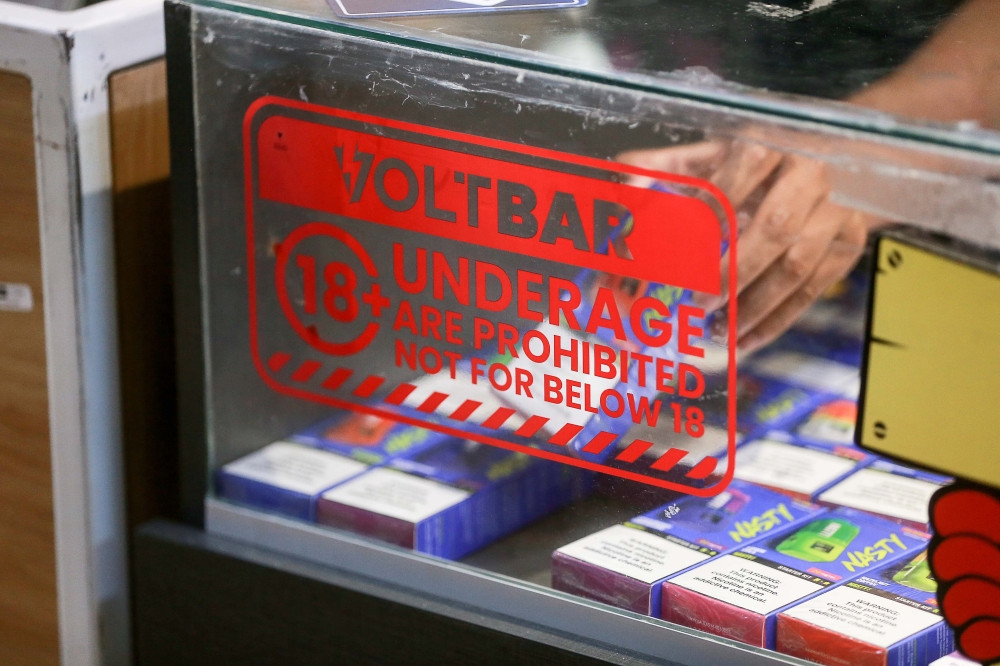
Tobacco is not just limited to cigarettes. Vapes and chewing tobacco are disguised in attractive packaging to lure the youth, which poses health threats. India is home to more than 260 million tobacco users, making it one of the countries with the highest tobacco burden in the world. Nearly one in three adults consumes tobacco in some form. The toll is staggering – more than 1.3 million people in India die each year from tobacco-related illnesses, many of which are preventable.Don't get fooled by the attractive packaging of vapes and e-cigarettes! They are equally harmful as cigarettes. (Unsplash)Also Read | World Cancer Day 2026: Oncologist debunks 5 common myths about lung cancerWhile tobacco is widely linked to lung cancer, its health risks extend far beyond that. It is also a major contributor to heart disease, stroke, chronic respiratory illnesses, oral cancer, and several other serious conditions. The impact continues to place a heavy health burden on millions of individuals and families across the country.HT Lifestyle reached out to Dr Ankur Nandan Varshney, senior medical oncologist at Medanta Hospital, Noida, who explains that tobacco and nicotine products are often designed to appear appealing, especially to young people, through flavoured variants, eye-catching packaging and aggressive marketing. But behind this appeal lies a far more dangerous reality – addiction, long-term disease and an increased risk of cancer.The oncologist highlights, “India is witnessing an alarming burden of tobacco-related cancers, especially oral and lung cancers. What makes this more concerning is that most of these cancers are preventable if tobacco use is stopped in time. Despite increasing awareness, many people still underestimate the damage caused by smoking, chewing tobacco, hookah, vaping, and nicotine-based products.”How tobacco causes cancerAccording to Dr Varshney, tobacco contains thousands of harmful chemicals, many of which are proven carcinogens. These toxic substances damage the DNA of healthy cells and gradually trigger abnormal cell growth, eventually leading to cancer.He outlines the following major cancers related to tobacco use:Lung cancerOral and tongue cancerThroat cancerFood pipe (oesophageal) cancerBladder cancerPancreatic cancerKidney cancerThe oncologist notes, “People often associate tobacco only with lung cancer, but the truth is that tobacco affects nearly every organ of the body. Chewing tobacco and gutka are particularly dangerous in India, where oral cancer cases remain alarmingly high. Many patients develop non-healing mouth ulcers, white patches, jaw stiffness, or difficulty swallowing, but ignore these early warning signs.”Why is nicotine addiction so dangerous?Nicotine is the highly addictive substance that keeps users hooked. Over time, this dependence can become both physical and psychological, making it difficult to quit. New-age products such as flavoured vapes and e-cigarettes are further normalising nicotine use, especially among teenagers and young adults, making addiction appear more socially acceptable.Dr Varshney stresses, “Addiction is carefully disguised as lifestyle and stress relief.” He outlines common reasons why people fail to quit tobacco.Peer pressure and social habitsStress and anxietyMisconception that “occasional use is safe”Lack of awareness about long-term damageEasy availability of tobacco productsNicotine products not only cause lung cancer, but can contribute to a number of other cancers. (Unsplash)Warning signs that should never be ignoredEarly detection can save lives. Unfortunately, many cancer patients reach doctors at advanced stages because they ignore symptoms for months. Important symptoms include:Persistent cough lasting more than 3 weeksBlood in sputumMouth ulcers that do not healHoarseness in voiceSudden unexplained weight lossDifficulty swallowingPersistent chest painDr Varshney advises people with any of these symptoms, especially tobacco users, to seek immediate medical evaluation.How to prevent cancer?According to Dr Varshney, the answer is yes – cancer can be prevented to a significant extent, especially by following a few key preventive measures:Complete avoidance of smoking and smokeless tobaccoStaying away from passive smokingRegular health check-ups for long-term tobacco usersCounseling and nicotine de-addiction programsEducating teenagers at school and family levelThe good news, as the oncologist highlights, is that the body begins to recover soon after quitting tobacco. Within months, lung function starts to improve, and over time, the risk of cancer drops significantly. He emphasises, “Today, many cancers can be treated successfully if diagnosed early. But prevention is always better, safer, and less painful than treatment.”He further emphasises that awareness campaigns should not remain limited to one day. Families, schools, healthcare institutions, and governments must work together to reduce tobacco addiction and protect future generations.“The most powerful decision a person can make for their health is to quit tobacco today, not tomorrow. Every cigarette avoided and every packet refused is a step away from cancer and towards life.” concludes Dr Varshney.Note to readers: This article is for informational purposes only and not a substitute for professional medical advice. Always seek the advice of your doctor with any questions about a medical condition.Eshana Saha is a fresh face in lifestyle and cultural journalism, bringing a refined, multidisciplinary perspective to the intersection of entertainment, fashion and holistic wellbeing. With less than a year of professional experience, she has quickly adapted to high-pressure editorial environments and currently works full-time with HT Media. Prior to this, she interned for nearly six months with Hindustan Times’ entertainment and lifestyle vertical, where she gained hands-on experience in digital reporting, trend analysis and editorial storytelling.
Oncologist warns against falling for tobacco products: ‘Addiction disguised as stress relief…’
Tobacco is not just limited to cigarettes. Vapes and chewing tobacco are disguised in attractive packaging to lure the youth, which poses health threats. | Health
1,106 words~5 min read