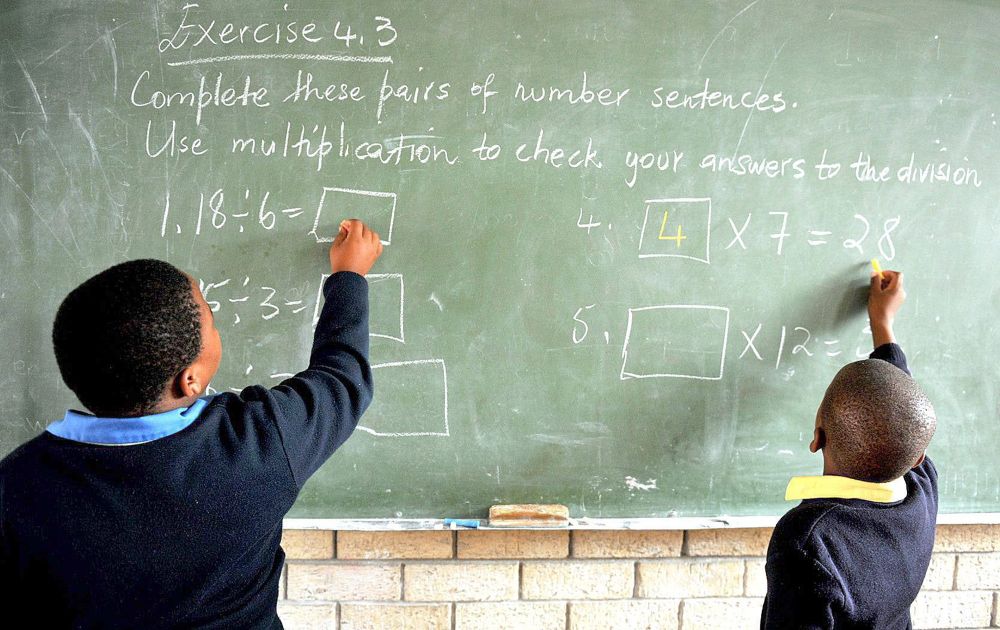
Across Africa, countries are redesigning school curricula to prepare children for the demands of the 21st century. These reforms aim to nurture creativity, critical thinking, collaboration and problem-solving rather than rote memorisation in schools. Kenya, Rwanda, South Africa and Zambia have made changes, and Ghana is part of the movement too.
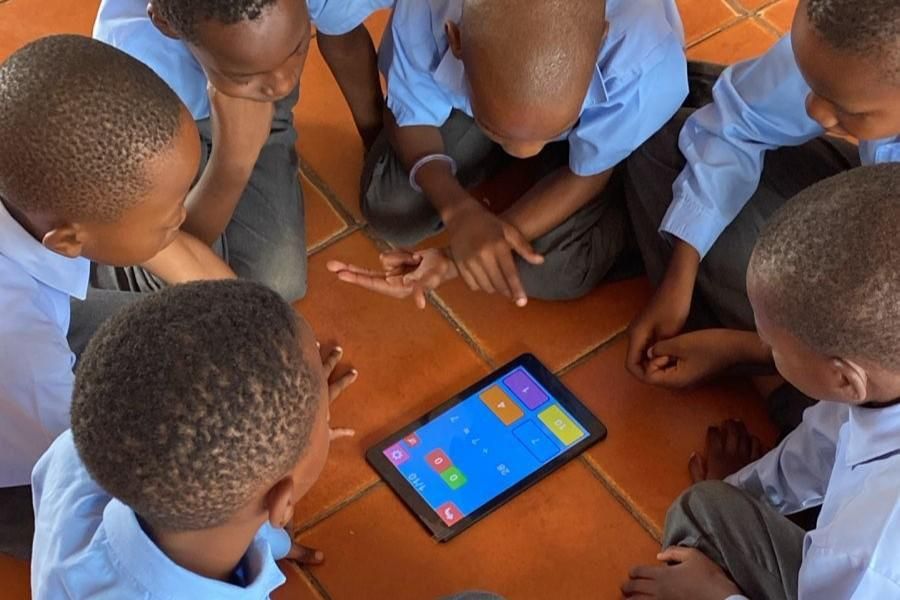
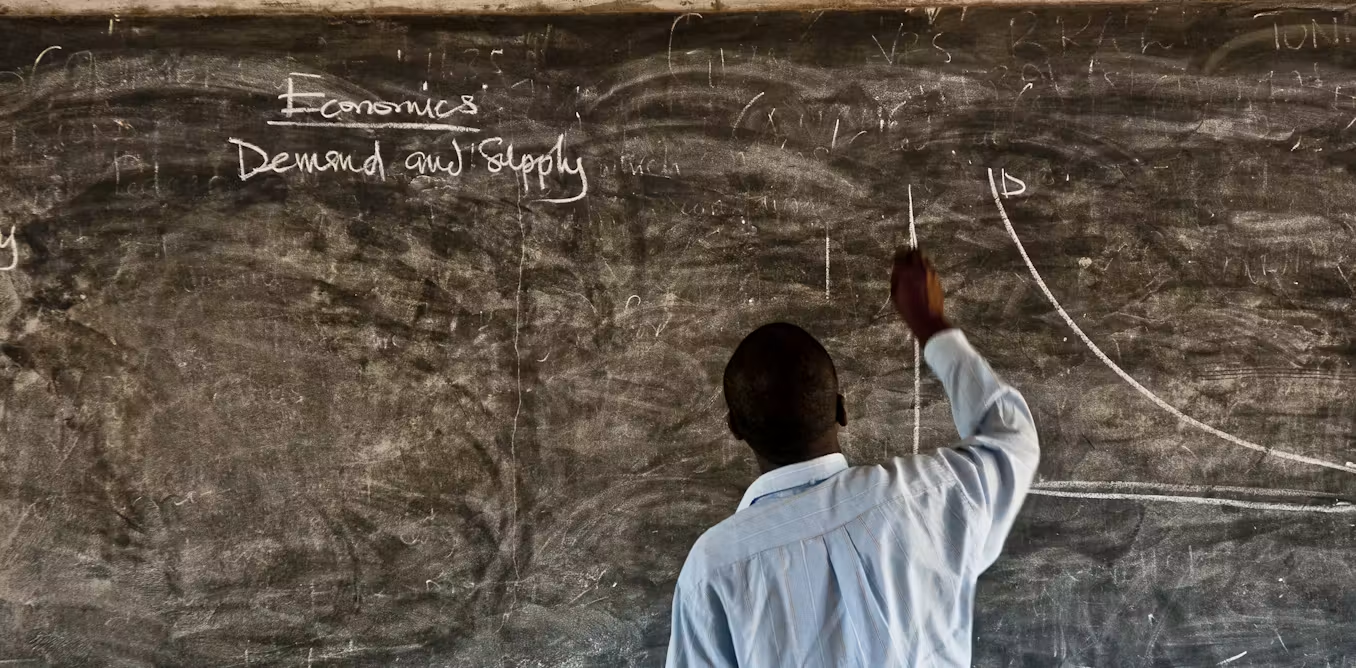
In 2019, Ghana introduced a new curriculum for basic schools that strongly promotes learner-centred teaching. The idea is simple: instead of teachers dominating classroom instruction through lectures and note-taking, learners are expected to take a more active part through discussions, group work, inquiry and practical learning activities.
But changing classroom practices is not as simple as introducing a new curriculum.
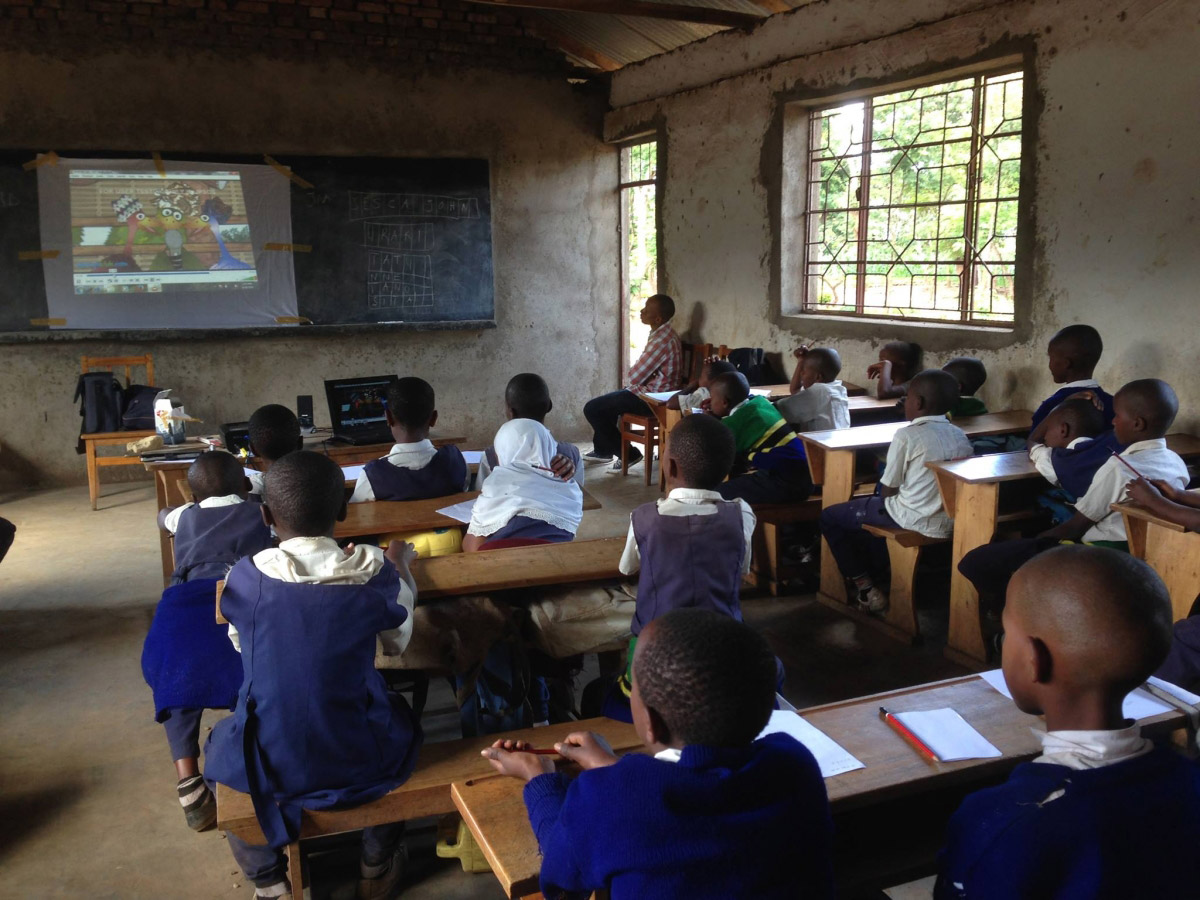
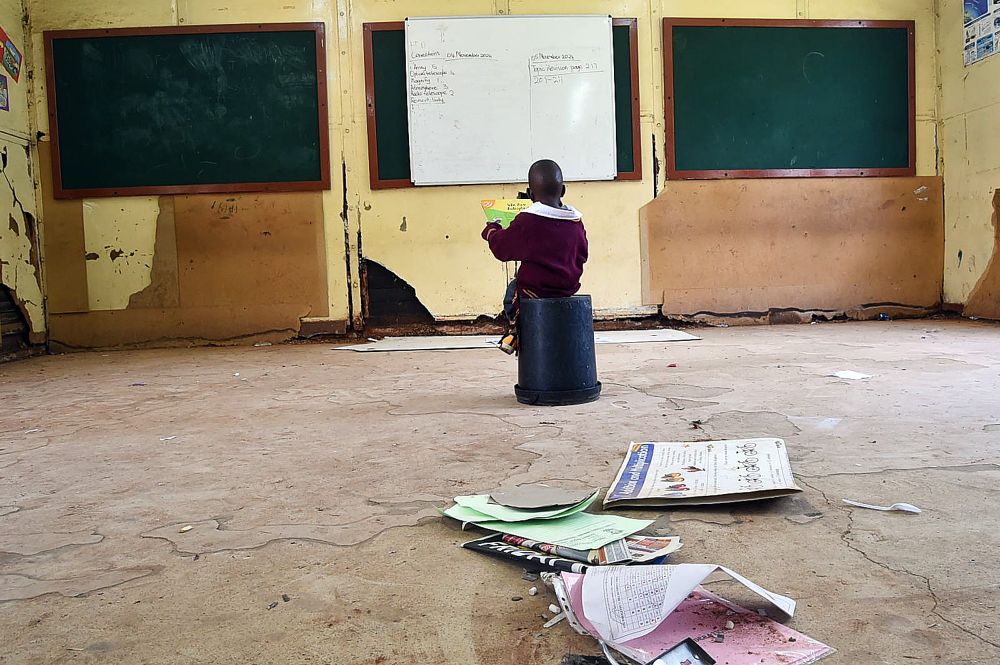
Existing research in Ghana and other African countries shows that schools continue to struggle with overcrowded classrooms, limited teaching materials and examination systems that still reward memorisation rather than critical thinking and creativity.
In our previous work on educational assessment, we also found that examination pressures can discourage the development of critical thinking and practical problem-solving skills promoted under Ghana’s new curriculum. The pressures can make it seem more practical and effective to give the teacher more control.