The Commission’s sovereignty package is ambitious. But ownership is not the same as control: China’s and India’s different experiences show why
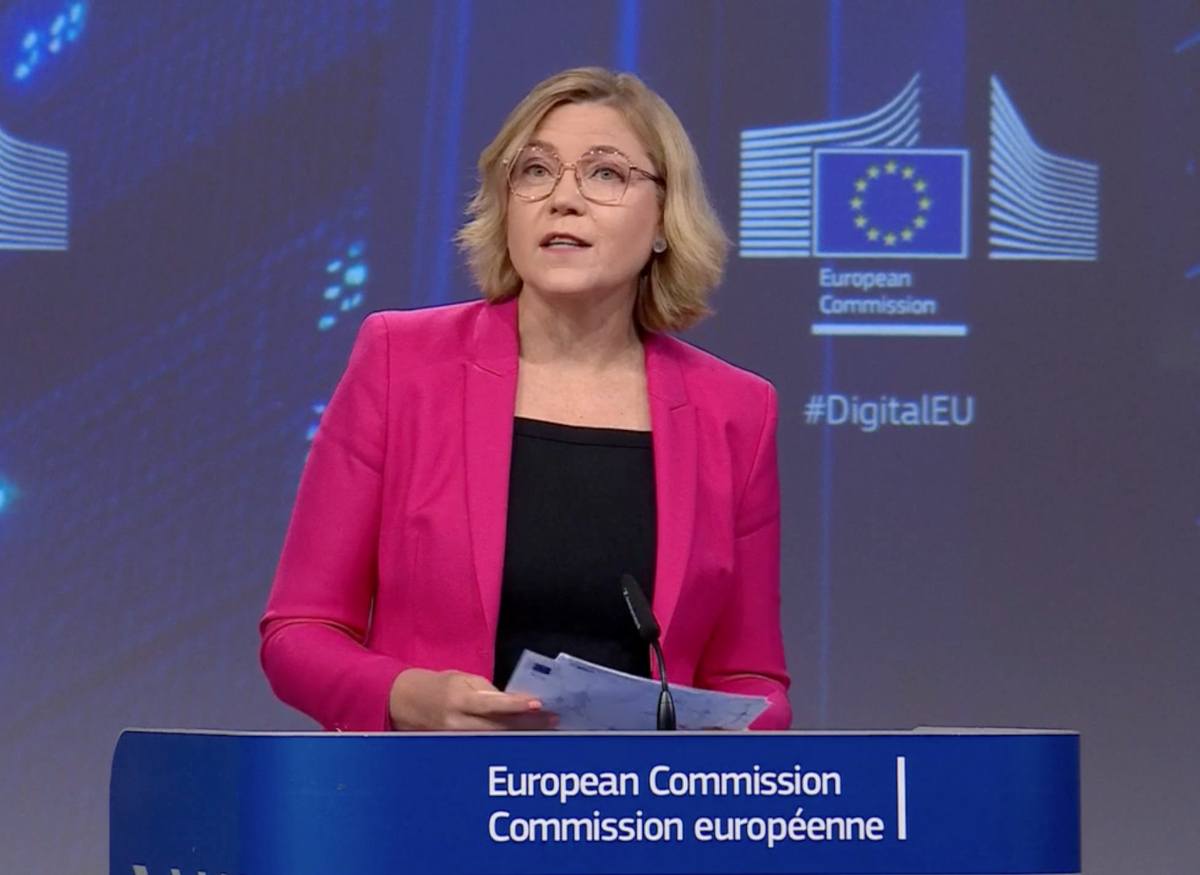
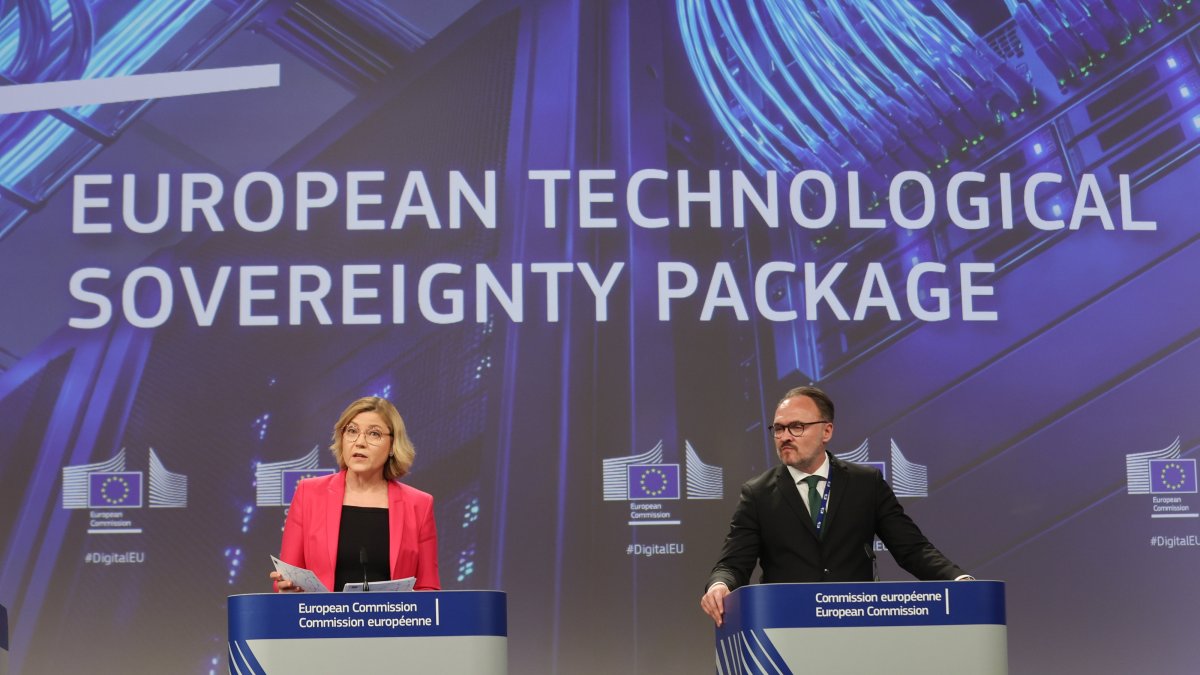
On 3 June, the European Commission unveiled its European Technological Sovereignty Package — a Chips Act 2.0, a Cloud and AI Development Act, an open-source strategy, and a roadmap for digitalisation in energy. The stated ambition is striking: Europe should take control of its own data, supply chains, and future.
The impulse is understandable. Europe remains heavily dependent on non-EU suppliers for core digital technologies, and demand for compute is rising sharply. In a world where the US and China are each pursuing full-stack AI dominance, drawing other economies into their orbits, Europe risks being included in the AI order on terms set by others.
The Commission deserves credit for combining regulatory ambition with industrial policy at last. But the package conflates two distinct things: owning the stack and controlling it. Until Europe grasps that distinction, its third way will remain more declaration than architecture.
The AI race is largely a race for compute. Whoever controls that infrastructure shapes the technology and sets the terms on which others access it. Europe is not a meaningful player: it produces a handful of models of limited global reach, attracts only a fraction of global AI investment, and routes most sensitive workloads through American hyperscalers.