European Union leaders, worried about the continent relying too heavily on American companies for AI and cloud computing services and Asia for microchips, are pushing back.
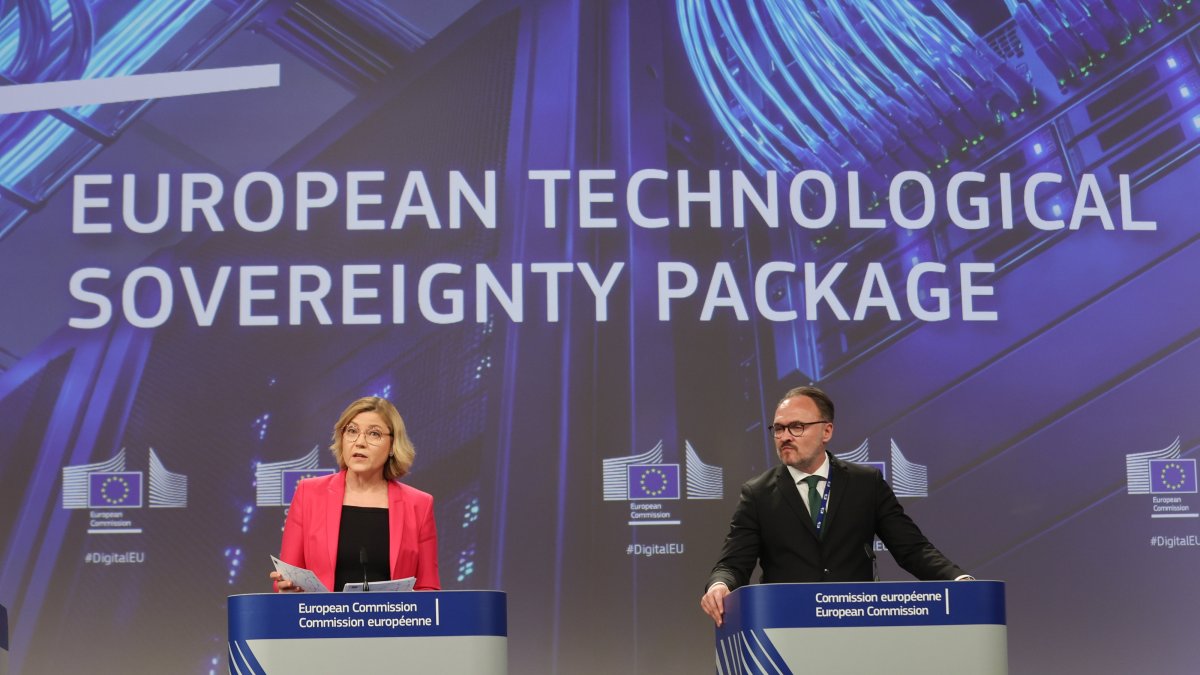
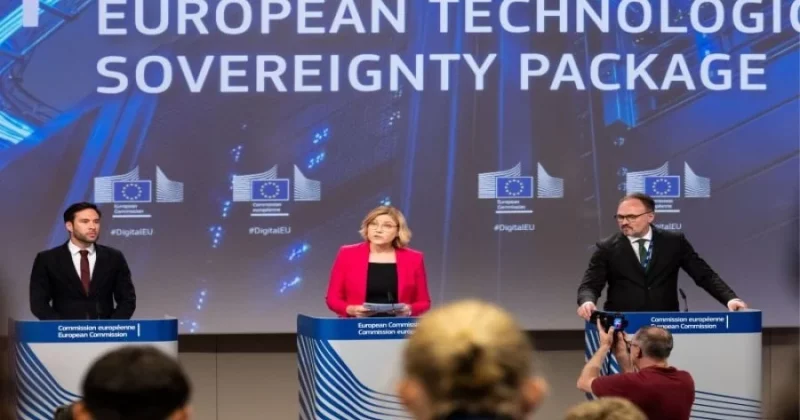
The 27-nation bloc unveiled a “tech sovereignty” package on Wednesday with measures to promote homegrown European alternatives to Big Tech services and hardware.
The efforts by Brussels have gained urgency as leaders worry about dependence on technologies from foreign providers, which they say could be “weaponized” against Europeans. Those fears crystallized after the International Criminal Court’s top prosecutor was sanctioned by the Trump administration, which led to Microsoft canceling his email account, sparking fears of a “kill switch” hidden in U.S. tech services.
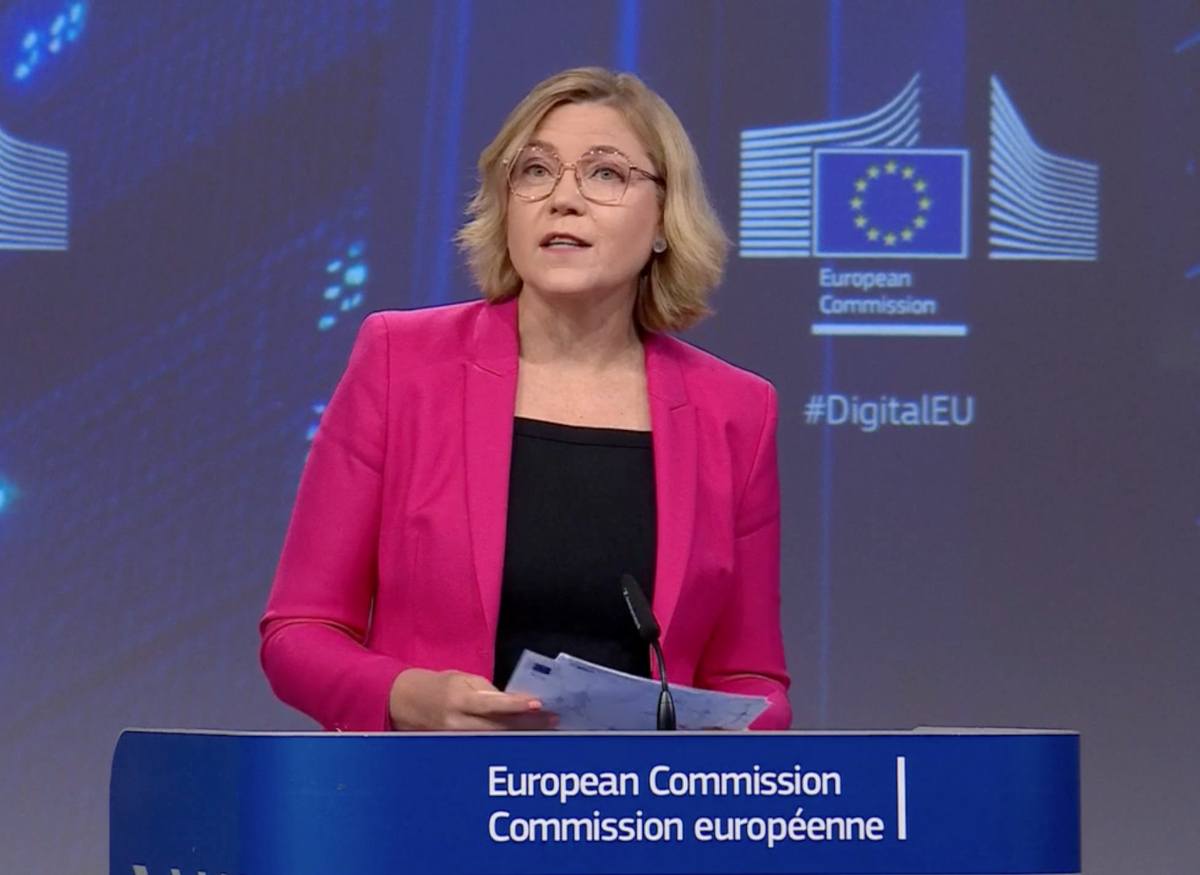
“Europe wants to be in the position to make its own choices, avoiding risky dependencies on single dominant suppliers, one company or one third country,” European Commission Executive Vice-President Henna Virkkunen, who oversees tech sovereignty, told reporters in Brussels.
“Because we live in a world where geopolitics and technology go hand in hand. Those who champion technological innovation will shape the future, and we must ensure that Europe plays a leading role in this.”