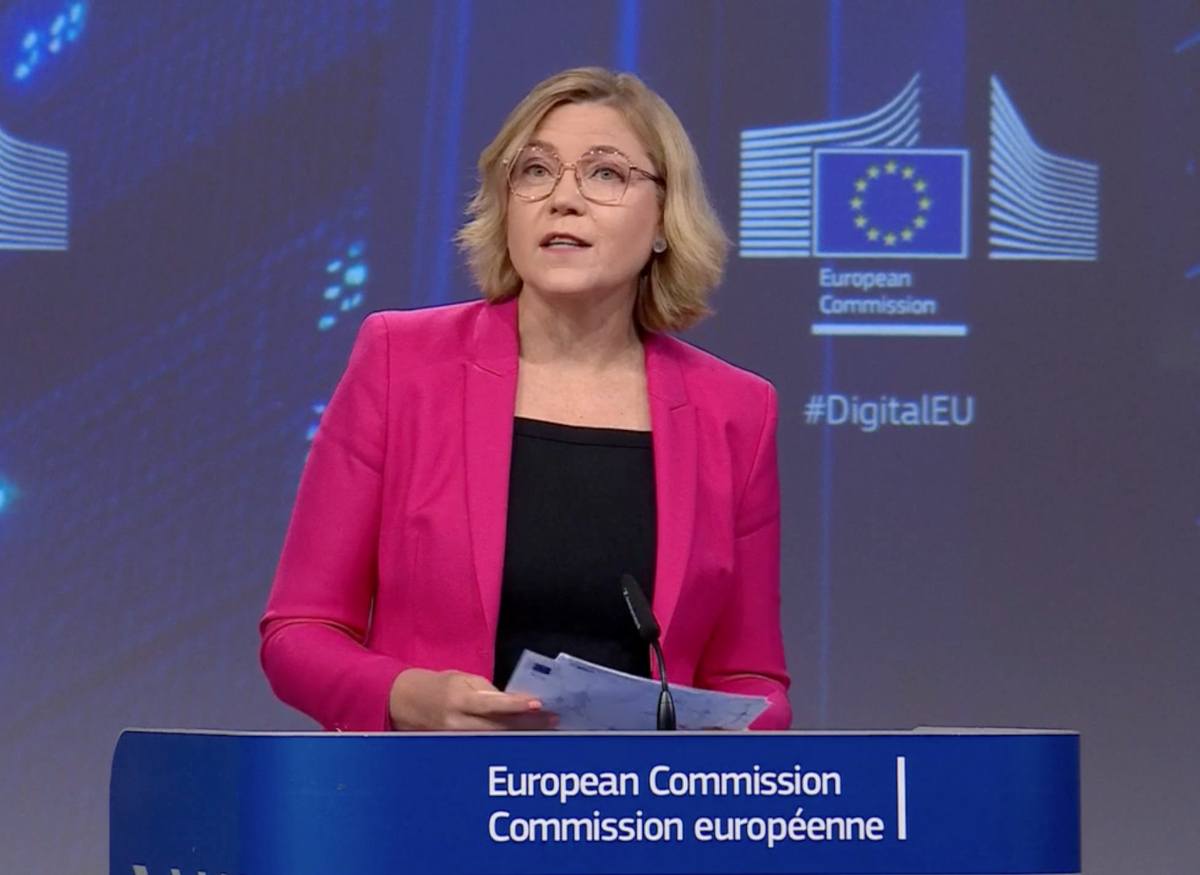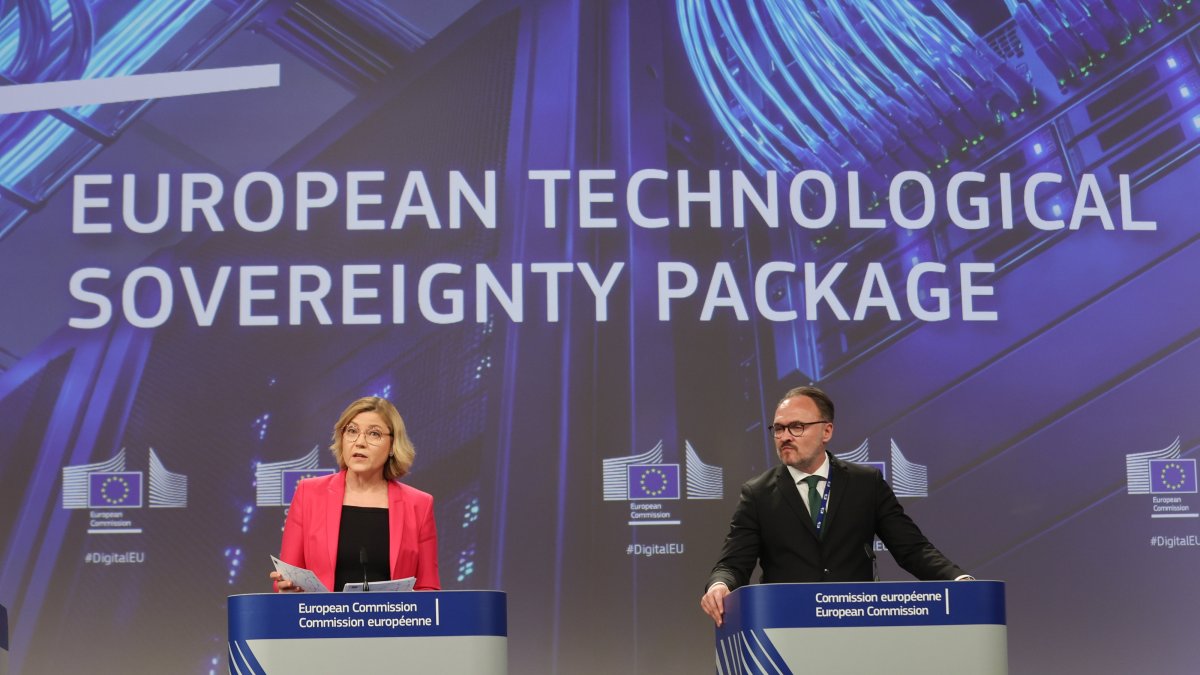
The European Commission picked June 3 to announce what it’s calling the European Technological Sovereignty Package, a bundle of legislation designed to wean the continent off its deep dependence on American and Chinese technology providers. A top EU official dubbed it “Tech Liberation Day,” borrowing the kind of branding usually reserved for product launches and national holidays.
What’s actually in the package
The centerpiece includes two major legislative proposals. The first is the Chips Act 2.0, an update to prior EU semiconductor legislation aimed at boosting the bloc’s global market share in chip production from roughly 10% to 20% by 2030. The second is the Cloud and AI Development Act, which establishes sovereignty criteria for cloud providers operating in sensitive sectors.
US hyperscalers, the Amazons, Microsofts, and Googles of the world, currently control approximately 70% of the EU cloud market. For a continent that prides itself on regulatory independence, having seven out of every ten cloud euros flow to American companies has become politically untenable.
The package also includes provisions that could effectively exclude non-EU providers from sensitive public contracts. Risk assessments and sovereignty criteria would be applied to cloud providers bidding on government work, creating what amounts to a “locals preferred” sign on the door of Europe’s most critical digital infrastructure.