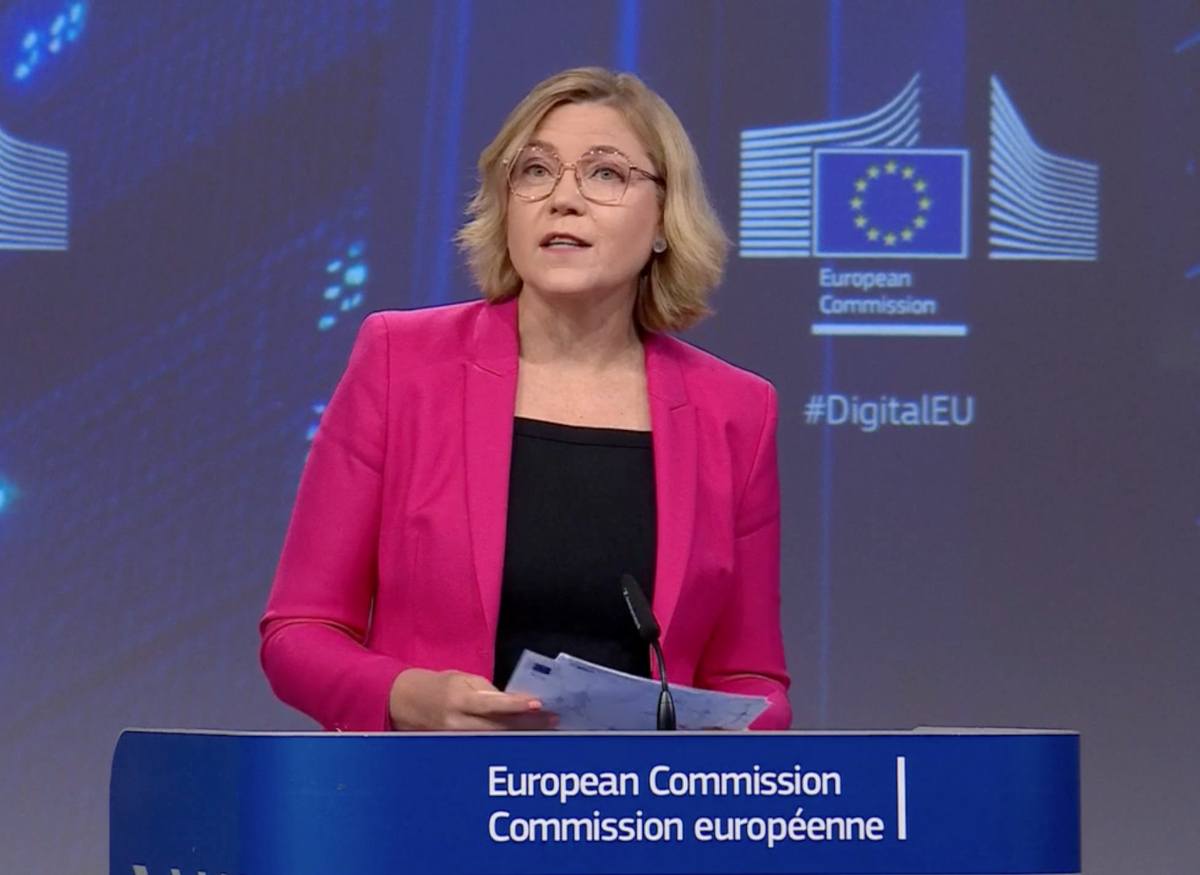
On June 3, 2026, the European Commission is scheduled to release its so-called Tech Sovereignty Package. It will include the Cloud and AI Development Act, an update to the Chips Act, and a formal definition of “digital sovereignty,” which the European Union (EU) has so far lacked.
Formalizing this definition matters for two reasons: it will shape public procurement across the EU’s twenty-seven member states, and it will signal how open the bloc intends to remain to foreign technology providers, particularly those from the US.
But how exactly this will play out—and what “digital sovereignty” actually means in an EU context—depends largely on whom you ask.
A contested concept
Thierry Breton, former European Commissioner for the Internal Market, once said: “Our data is the most valuable industrial asset we have. I have always said that I want Europeans’ data to be…stored and processed in Europe.”