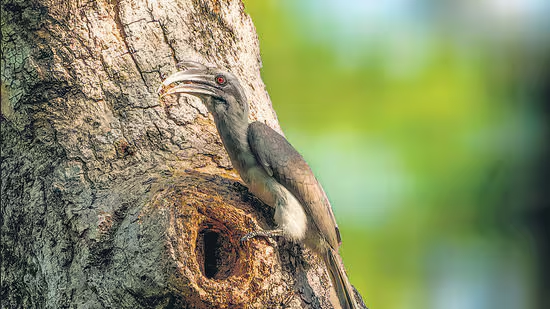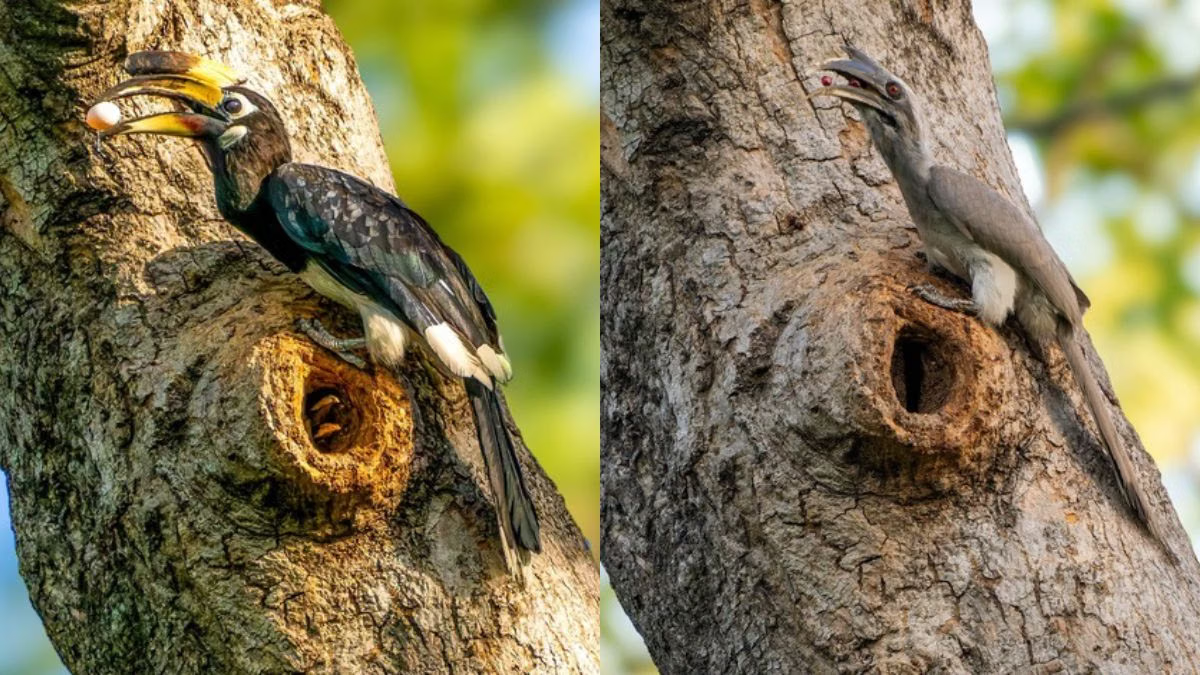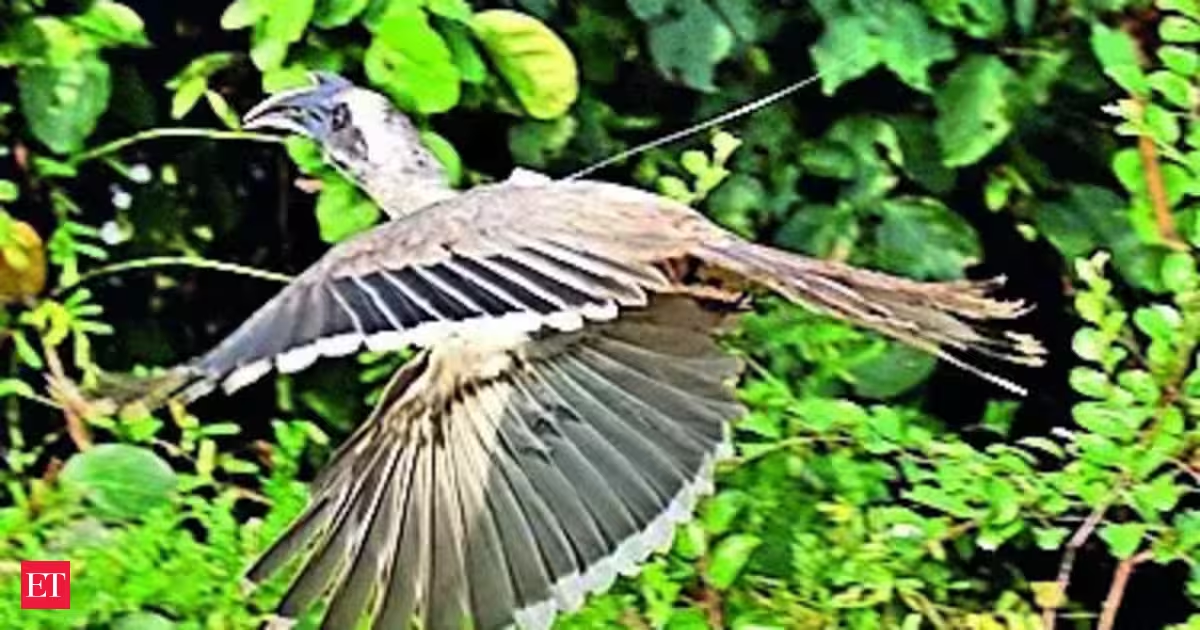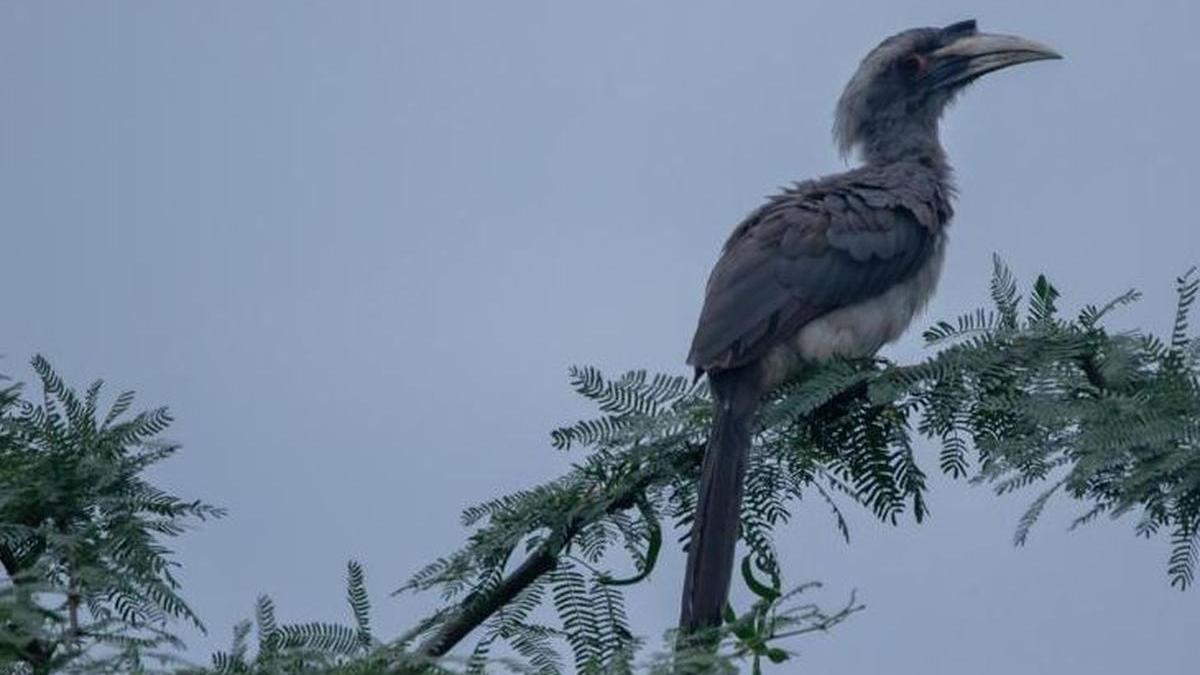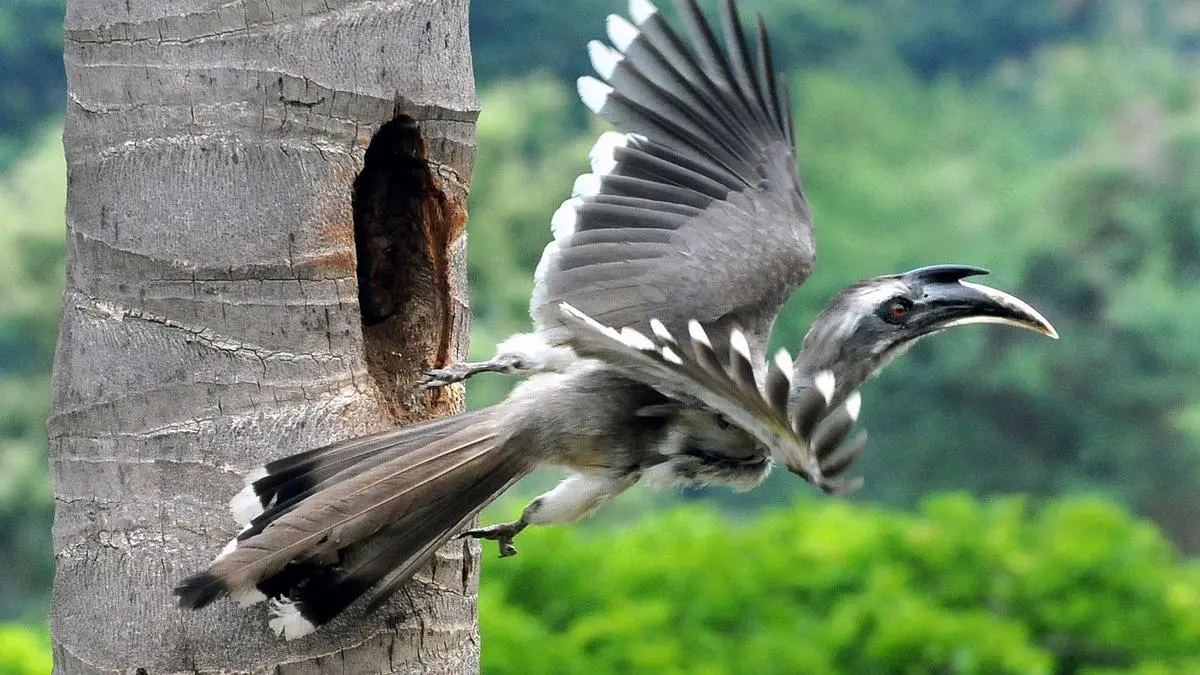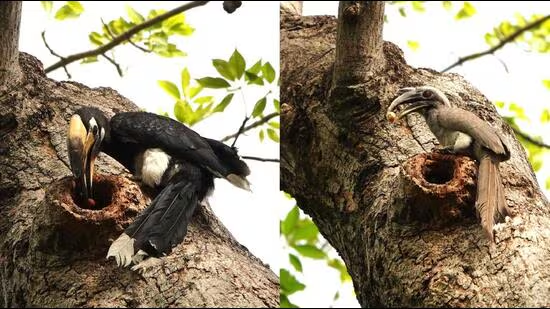
Two species of hornbills, the Indian grey (IGH) and oriental pied (OPH), providing food at a common nest in Delhi’s Lodhi Gardens have seized the imagination of birders, as a miraculous novelty. Many a granny’s fairy tale from Lodhi Gardens has been spun around the fostering of a female IGH and her chicks by an isolated, mateless female OPH due to her loving, though ‘misdirected’, maternal instincts. Along with the male IGH’s provisioning of the nest, the female OPH brought not just figs but a filched egg of another bird, a juvenile red-vented bulbul and a jungle babbler for feeding the female and nestlings of the IGH in a Semul tree hollow at Lodhi Gardens.A female oriental pied hornbill and a male Indian grey hornbill (right) providing food at the latter’s nest in Lodhi Gardens, Delhi. (SHOBITA ASTHANA)Fact is, the OPH is not confined to the Terai foothills. The species has established itself in breeding pairs in Chandigarh and its peripheral areas for many years. There are observations (on e-Bird India) of OPH specimens from as far west as Pathankot in Punjab and Lahore and Balloki in Pakistan.That brings us to another OPH sighting: along the Sirhind canal at Gehal village in Barnala district. Here, as far back as 2021, researchers armed with photographic records reported in the journal, Indian Birds (Vol. 19 No. 3) that a loner, mateless female OPH first provided feed to an IGH nest in a Semul. After that, the female OPH preyed on the IGH nest by lifting one egg and later a chick, and then just flew off! The foster OPH mother, ostensibly dripping with the milk of maternal instincts till now, had turned seamlessly into a predator!However, this is not all that strange. The OPH is an established predator of the nests of other species. Research in Singapore also showed that female OPHs in two different nests killed their own weaker chick and fed it to more vocal siblings. In other words, infanticidal OPH mums.Interspecific feeding in birds or the behaviour of feeding the nestlings of another species is well known in Western ornithological science. In India, researchers have documented the oriental white-eye and the red-vented bulbul feeding the chicks of an Indian paradise flycatcher in Udaipur (July 1996), Gandhinagar (July 2008), and Rajkot district (July 2014) respectively. Also, red-vented bulbuls feeding black drongo chicks were documented in the Panna Tiger Reserve (July 2001) of Madhya Pradesh. There could be more such instances, but these either escaped observation or were lost in the maze of India’s trove of ornithological observations.In a research paper of 2021, Lenka Harmáčková studied interspecific feeding over 40 years from across the globe, collating 186 cases in 107 species. But much before Harmáčková’, MM Shy had in 1982 attributed eight proximate causes for interspecific feeding after analysing 140 cases from the West.According to Shy, the causes: “(i) For some reason, the bird was raising a mixed clutch, such as in brood parasitism (ii) the original nest and brood of the bird were destroyed (iii) the nest of another species was very close to that of the bird performing the behaviour (iv) young birds calling stimulated another species to feed them (v) orphaned birds were adopted temporarily or permanently (vi) a male bird fed another species while his mate incubated (vii) finding a mateless bird, or being mateless itself, a bird joined a heterospecific individual or pair with young (viii) a miscellaneous category: none of the above reasons were evident.” Shy added the caveat, “Not all of the categories are mutually exclusive.”Under category (vii), Shy quoted eight instances (across seven species) of mateless birds (male and female) indulging in interspecific feeding. Our own mateless female OPHs, far from the known breeding range of the species and thus provisioning IGH nests, fall in that category.vjswild2@gmail.com
Wildbuzz | Foster mum as a cradle killer
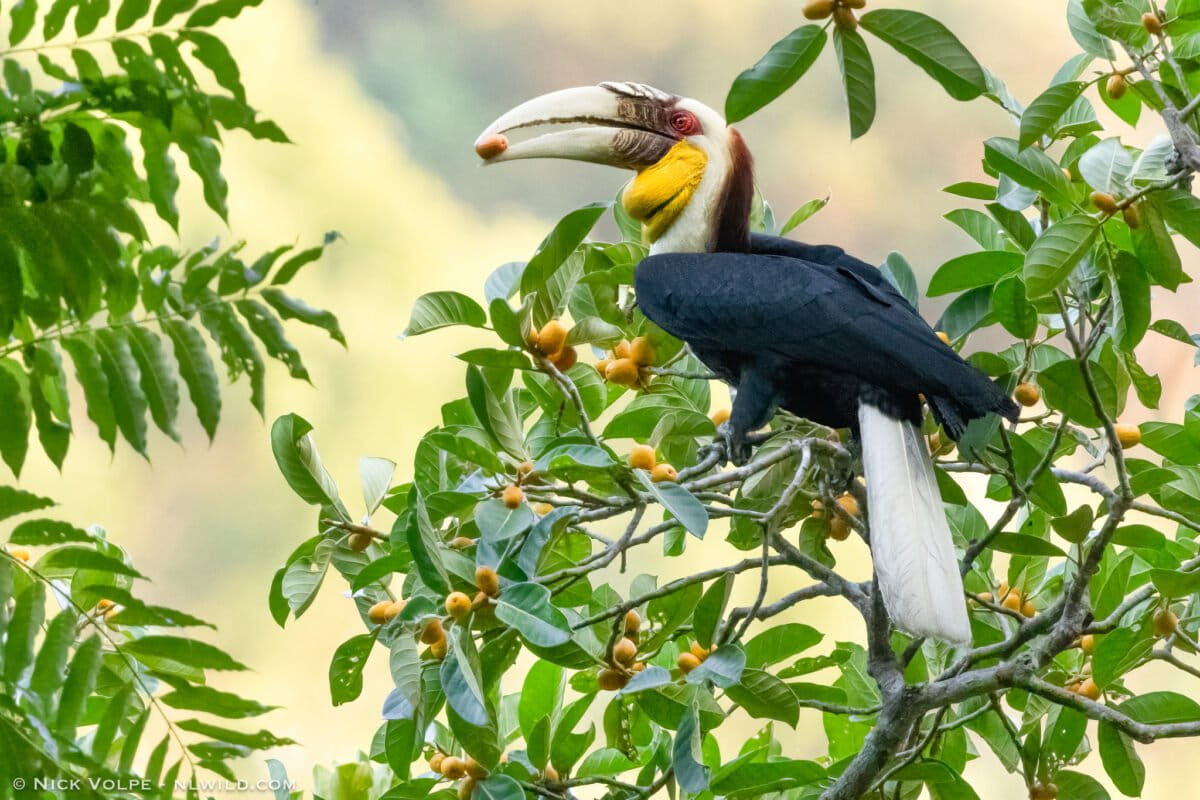
Oriental pied hornbill is not confined to the Terai foothills, the species has established itself in breeding pairs in Chandigarh and its peripheral areas for many years
634 words~3 min read