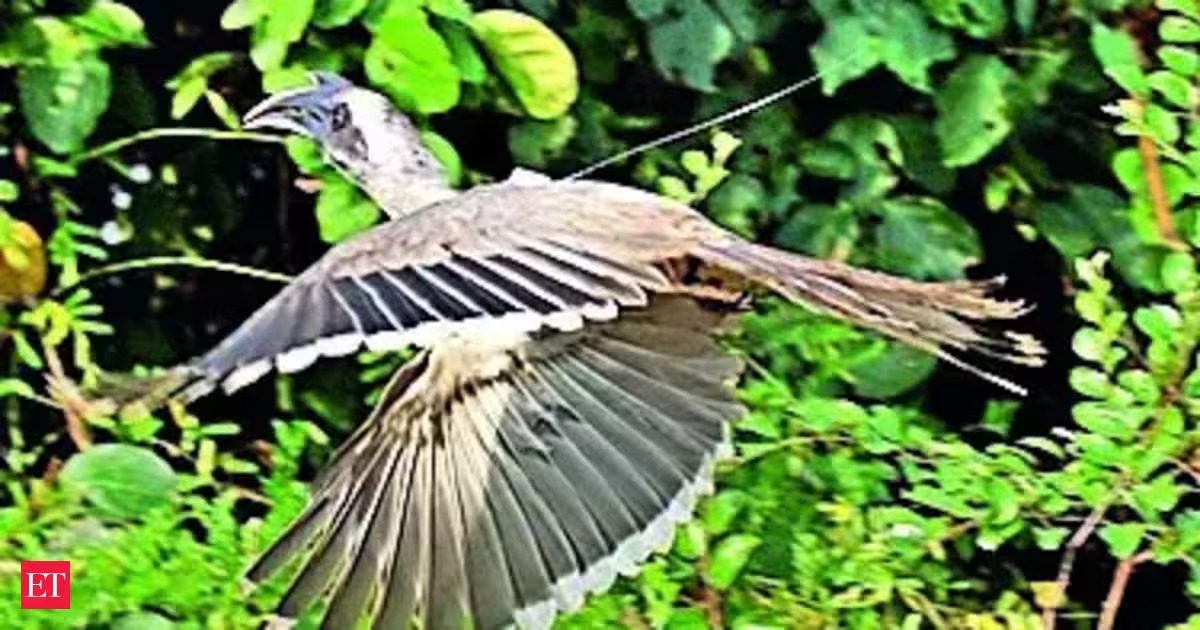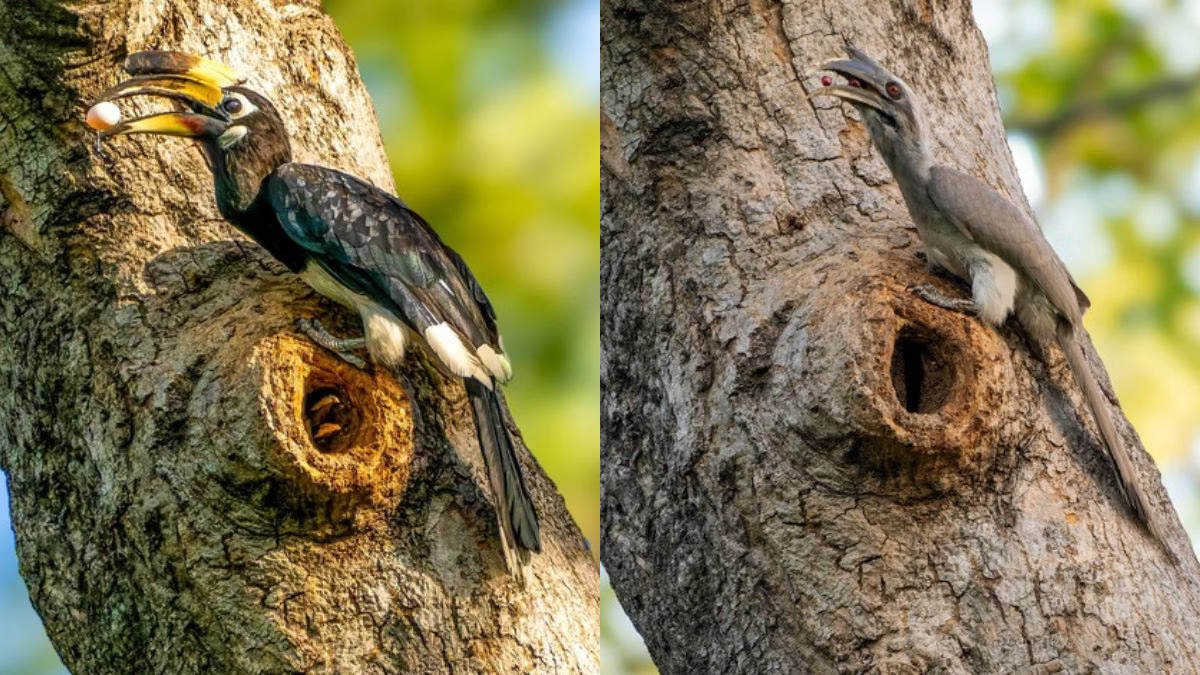
A mystery came to light in Delhi on Tuesday, 12 May 2026. The characters—three amateur birders, two Indian Grey Hornbills and one Pied Hornbill.
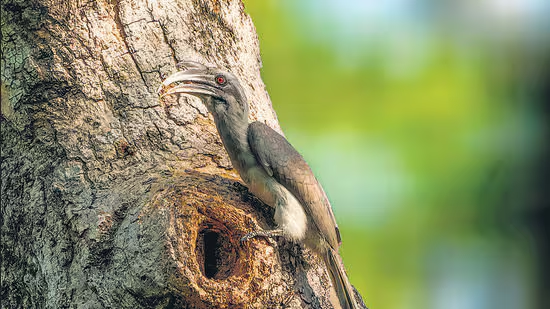
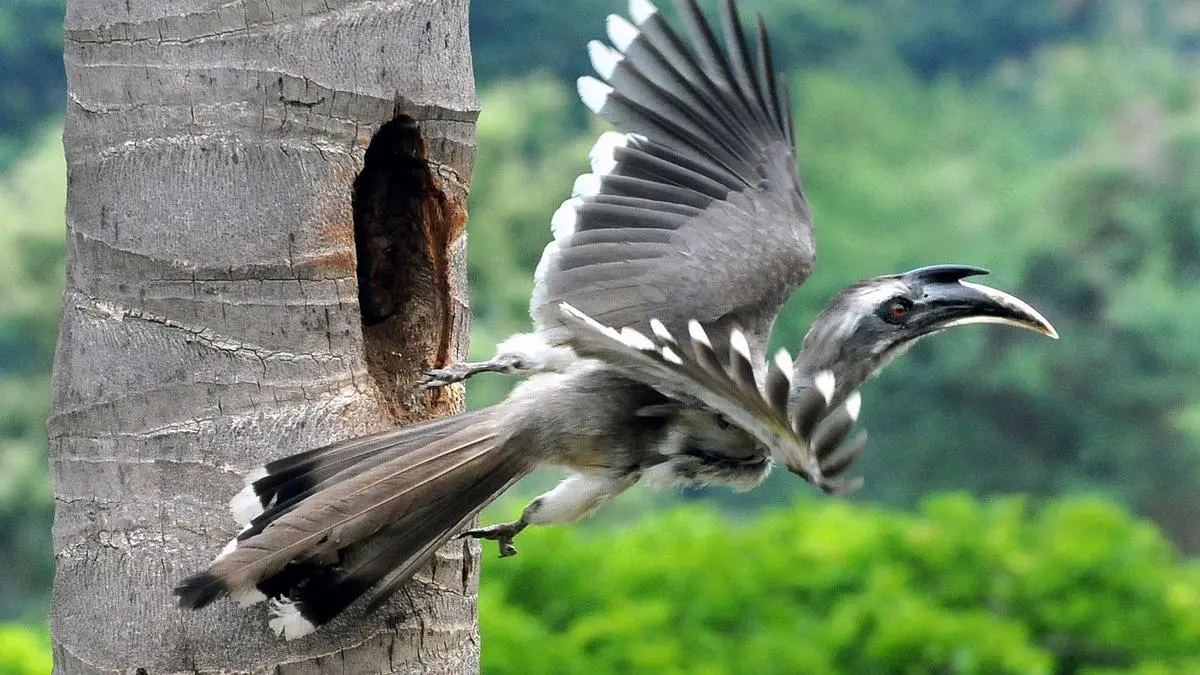
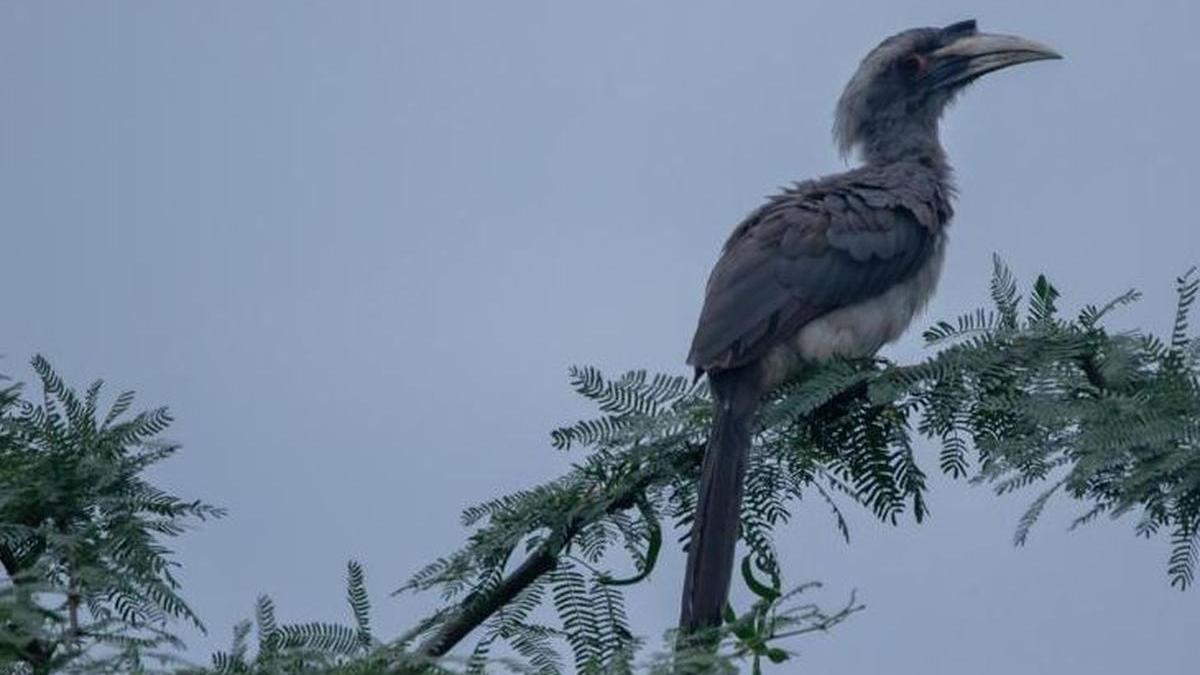
Anu Mathur, a retired school principal and amateur birder, was walking in Delhi’s Lodhi Garden, while her husband played golf in a club nearby. Mathur had come equipped with a Nikon P 1000, just in case she saw something of interest. It was a perfectly ordinary morning by any standards.Around 8.30 am, she noticed two Indian Grey Hornbills, Ocyceros birostris, sitting on the branch of a tree. This was also no surprise—these birds thrive on old, tall trees, still found in and around Lodhi Garden. But what piqued her interest was their nest. It is unusual to see a nesting hornbill this easily. She watched.
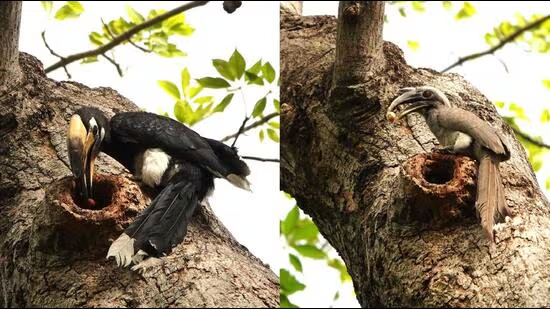
Hornbills put themselves through a lot of hardship to breed. The nest is usually a hole in a tree. The female seals herself in, save for a narrow slit. She sits squeezed inside till her chicks hatch. The male feeds her through the slit every few hours for a few months. Then, when the chicks appear, their mother breaks the seal and leaves the nest. She joins the male to rear the babies.What Mathur observed was even more fascinating. Not only was a male Indian Grey Hornbill feeding the female, but he was also surrounded by individual hornbills. They were likely helper birds. Scientists use this term to describe offspring from a previous litter—young ones learning the ropes.Then, it happened—the twist that has since flummoxed birders and scientists across India.A female Pied Hornbill photobombed this harmonious scene. This is a large, black-and-white bird with a dramatic casque on its head that looks nothing like the Grey Hornbill. What was it doing at the nest—and whose nest was it anyway? Mathur posted the image and her observations on a WhatsApp group devoted to birding in the NCR region.