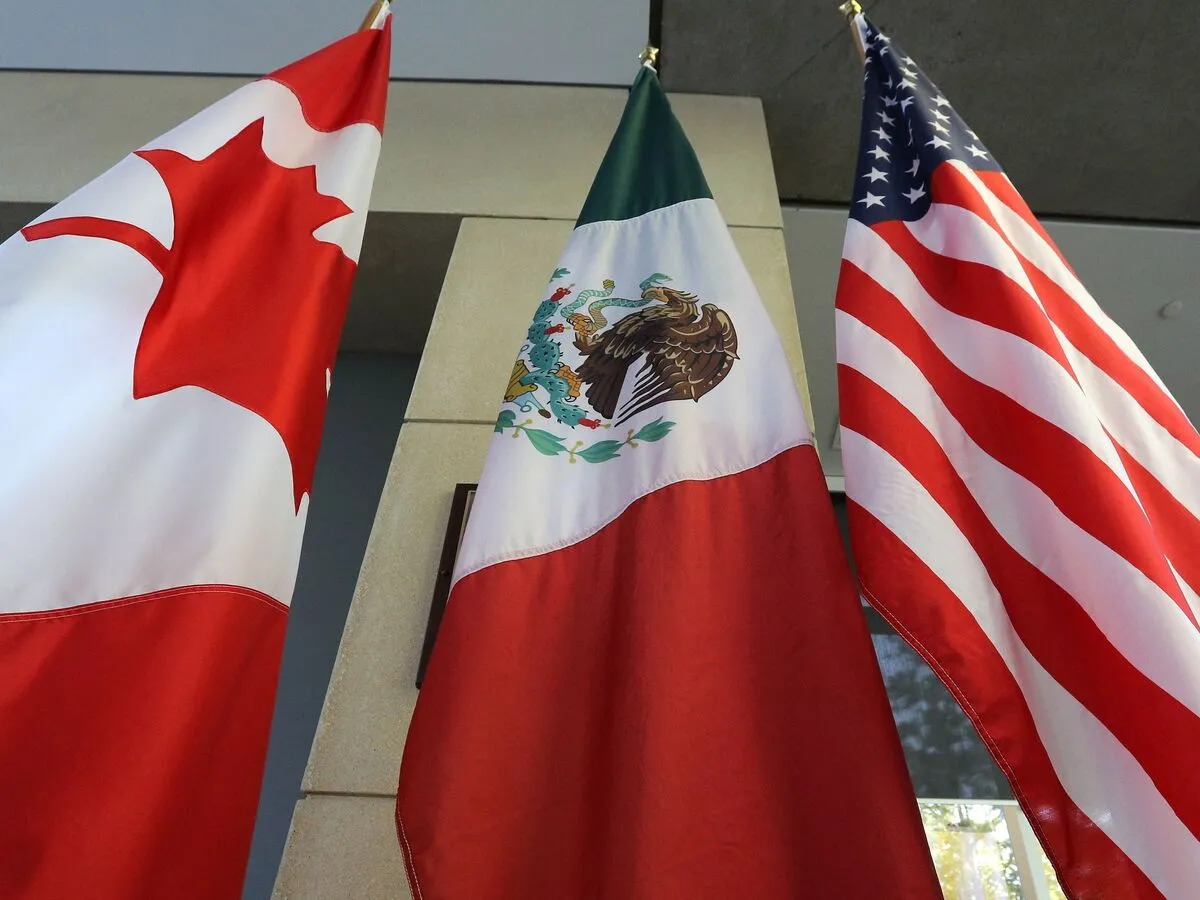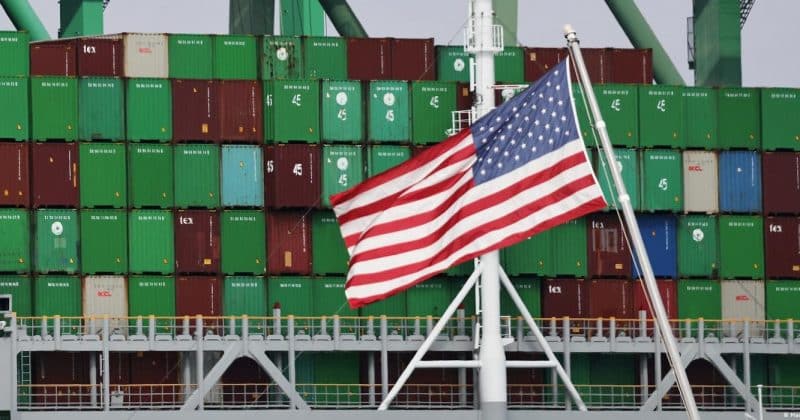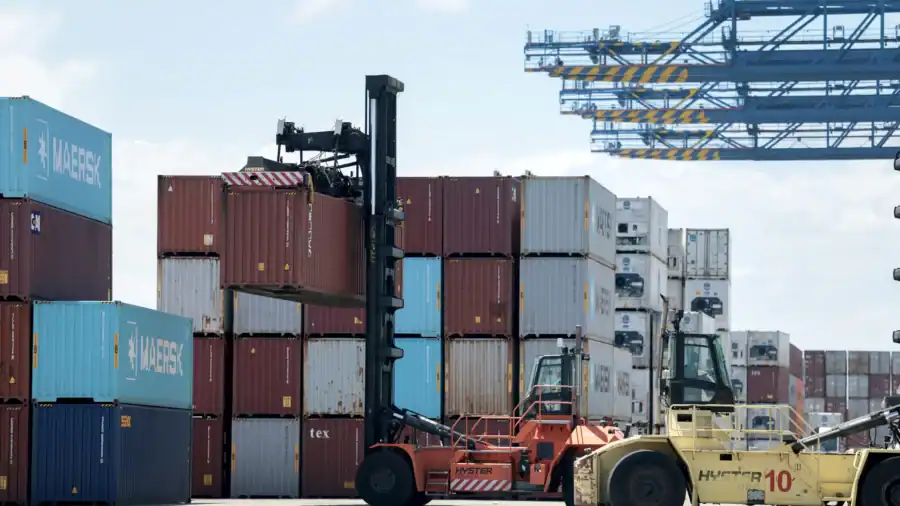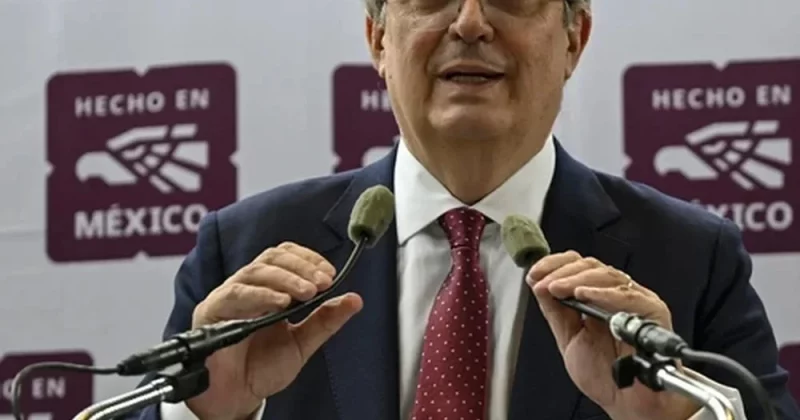
The United States, Mexico, and Canada are on track to blow past the July 1 deadline for the first mandatory review of their shared trade agreement. That missed deadline doesn’t just mean more paperwork. It means the largest free trade zone in the Western Hemisphere enters a period of prolonged uncertainty, with real consequences for supply chains, tariffs, and cross-border capital flows.
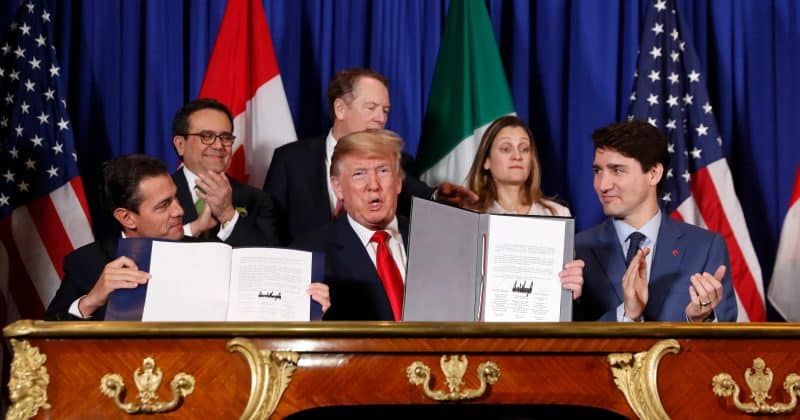
The United States-Mexico-Canada Agreement, better known as the USMCA, replaced NAFTA when it took effect on July 1, 2020. Baked into the deal was a requirement under Article 34.7: all three countries must sit down six years later, on July 1, 2026, for a joint review. That review is supposed to determine whether the agreement gets a clean 16-year extension or enters a less comfortable alternative.
What happens when you miss the deadline
If the three nations don’t agree to extend the USMCA for another 16 years at this review, the agreement doesn’t simply expire overnight. Instead, it enters a rolling series of annual reviews, with a potential expiration date of July 1, 2036, if no resolution is reached.
US Trade Representative Jamieson Greer acknowledged in April that talks would likely continue past the July 1 date. Bilateral negotiating rounds between the US and Mexico were formally announced in March 2026, following public consultations that wrapped up in late 2025. But those rounds have not produced the kind of breakthroughs needed to close the deal on time.