Story audio is generated using AI
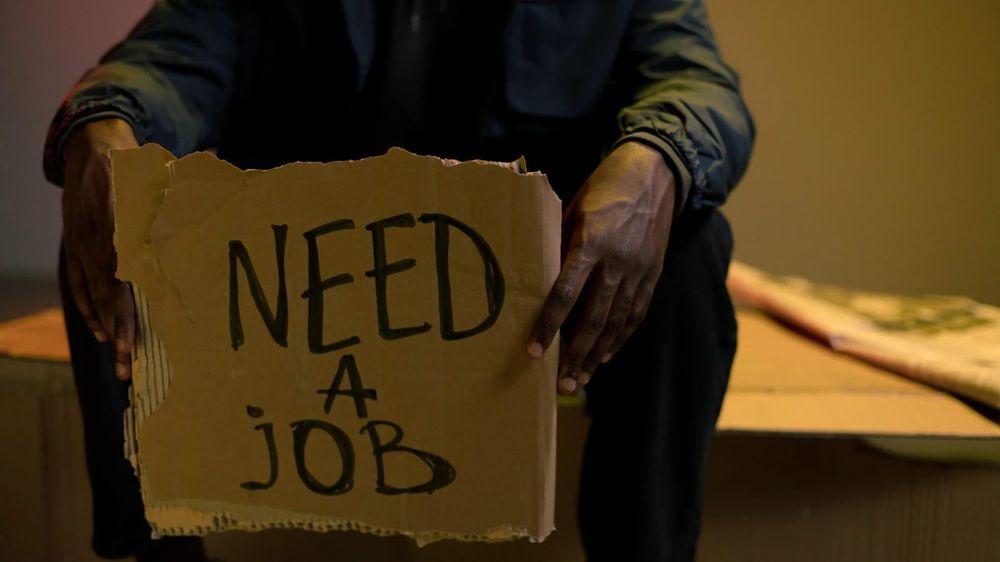
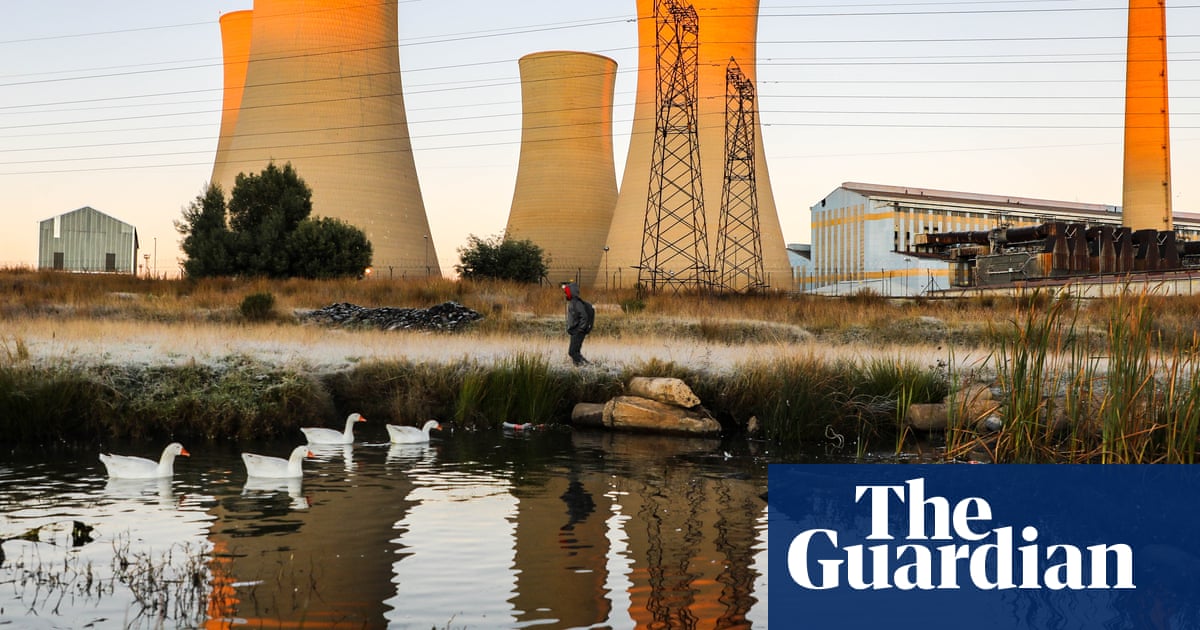
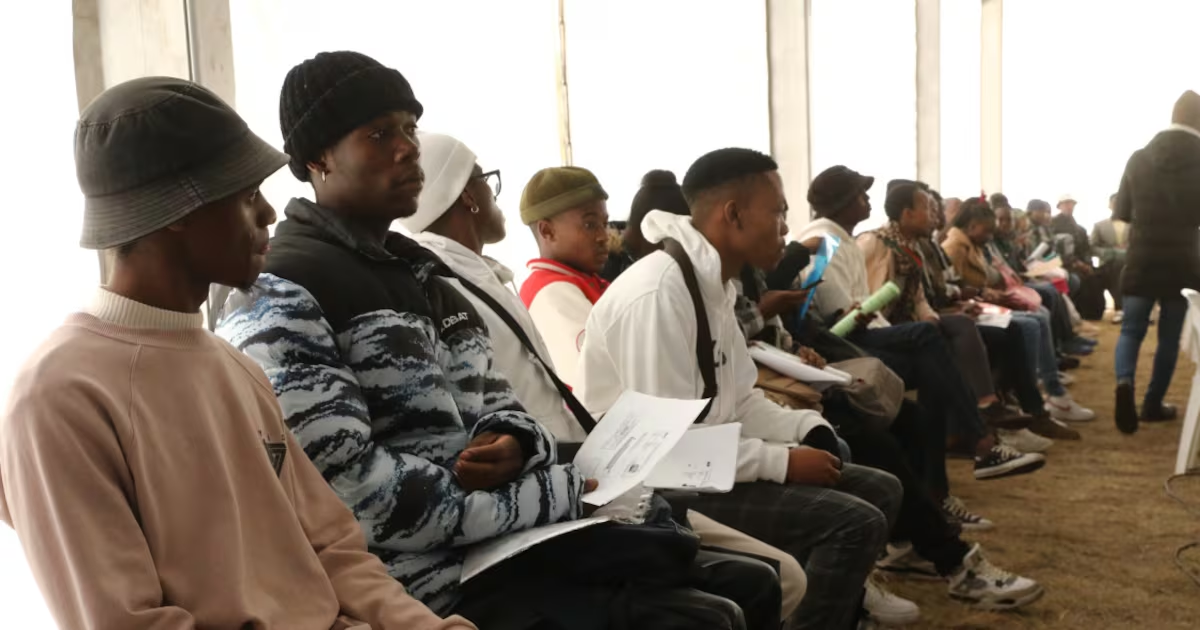
Eskom is considering closing or reconfiguring the coal-fired power stations around my hometown, Bethal — a tiny Mpumalanga town of about 128,000 residents — which simply means fewer jobs for young people seeking employment.On the other hand, the R25bn-R35bn hybrid wind and solar facility currently being developed, already visible from afar when approaching Bethal, has not absorbed significant numbers of jobless youth. Young people in Bethal are eager to work, but the opportunities remain scarce. The lucky ones get employment at Sasol’s Secunda operation, the future of which hinges on a managed transition from a pure coal-based synthetic fuels facility to a lower-carbon chemical and energy hub.But not all hope is lost.On Monday JSE-listed Netcare published its financial results for the six months to end-March, detailing the success of its 10-year strategy launched in 2018. That strategy focuses on customer-centric, digitally enabled and AI-driven care. With wearable monitoring pilots under way, generative AI on the horizon and a proven digital dividend, Netcare is positioning itself as the provider of choice across the continent.As I pondered Netcare’s digital strategy, it dawned on me that South Africa’s state institutions still suffer from a serious paper pandemic. What if the government stopped the tenderisation approach to resolve youth unemployment? What if it created a national digitisation strategy instead?We often hear the department of health praising improvements in health care, but there is a deafening silence on how that claimed success can be measured. Staff often fail to locate patient files. Besides, filing cabinets have proven to be a fire hazard, as happened at Thembisa hospital.Every morning, millions of citizens queue at dawn outside government departments because a physical stamp or a missing file is required. The education department cannot predict school dropouts because attendance records are still in exercise books. The department of human settlements doesn’t know how many shacks are in squatter camps. Social grants are duplicated because ID numbers are typed into incompatible spreadsheets.So, what if the government stopped the tenderisation approach to resolve youth unemployment? What if it created a national digitisation strategy instead? Declare a decentralised mass employment programme for unemployed graduates, women and talented youth. Get rid of all the sectoral education & training authorities and reprioritise those multimillion-rand budgets to solve the scourge of unemployment.Here is how it could work.Unemployed youth and women aged between 18 and 34 can be trained as data capturers or technicians at state institutions. They could go department to department, scanning 30 years of manual records. Digitise birth, death, health, prison and deeds records rotting in state basements. Barcode every medical asset in every clinic and hospital. People with disabilities can perform remote, screen-based work, checking scanned files for errors and meta-tagging documents from home in Galeshewe or a wheelchair in KwaMbonambi. Graduates, the so-called overqualified unemployed, can be assigned as process mappers. They could shadow a pension payout officer for two weeks, map every touchpoint, and redesign workflows for digital capture.This programme would be a new extended public works programme focused on digitisation. It would help millions of unemployed youth, women and graduates. A digitised state would mean less corruption in the police, prisons, schools, and health facilities. The tender mafia could go out of business because procurement systems would be transparent and auditableThe government must wake up and understand that while people will not say no to the R370 grant, they need sustainable jobs. The Treasury would not need to raise more debt; this is simple budget reprioritisation without tenderpreneurs.The private sector would likely support it because every hour a tender document is lost, a business loses money and time. A digitised state would mean less corruption in the police, prisons, schools, and health facilities. The tender mafia could go out of business because procurement systems would be transparent and auditable. After two or three years, the country would have a digitally literate workforce ready for big data and AI. With this in mind, try to imagine for a second that on Youth Day, June 16, President Cyril Ramaphosa announces the mass digitisation of government records as a much-needed employment drive for young people.Mr President, this is not just a tech policy dream from the town of the late Gert “Lion of East” Sibande, it is a basic employment creation programme that your ministers and directors-general are ignoring because it involves no tenders. Instead of being distracted by corruption and collapsing municipalities, your secret weapon to solve youth unemployment is the intelligent army of unemployed youth and graduates you are ignoring. The solution is facing you and saying, “Do something with us.”Let us stop the fancy slogans this Youth Month.Lourie is the founder and editor of TechFinancials