Brazil is on its third wave of biofuel innovation, squeezing out extra income from previously unloved products — such as wheat — excess sweet potatoes that usually go to waste and even trash
By Oliver Griffin and Diego Vara / Reuters, PASSO FUNDO, Brazil
The cars navigating Brazil’s crowded streets currently powered by sugarcane or corn-based ethanol could before long run on a cornucopia of fuels made from grains, tubers and other exotic feedstocks.A new wave of biofuel innovation is sweeping the nation, with developers in unexpected corners of the country’s farm sector encroaching on decades of domination by sugarcane producers in ethanol markets, betting on everything from staple crops including wheat or barley to waste products such as discarded foodstuffs.“The future of the energy transition is not a world of ‘ors,’ it’s a world of ‘ands,’” said Alexandre Breda, low carbon technology manager for Shell’s Brazil unit, which is researching the viability of agave as a biofuel.
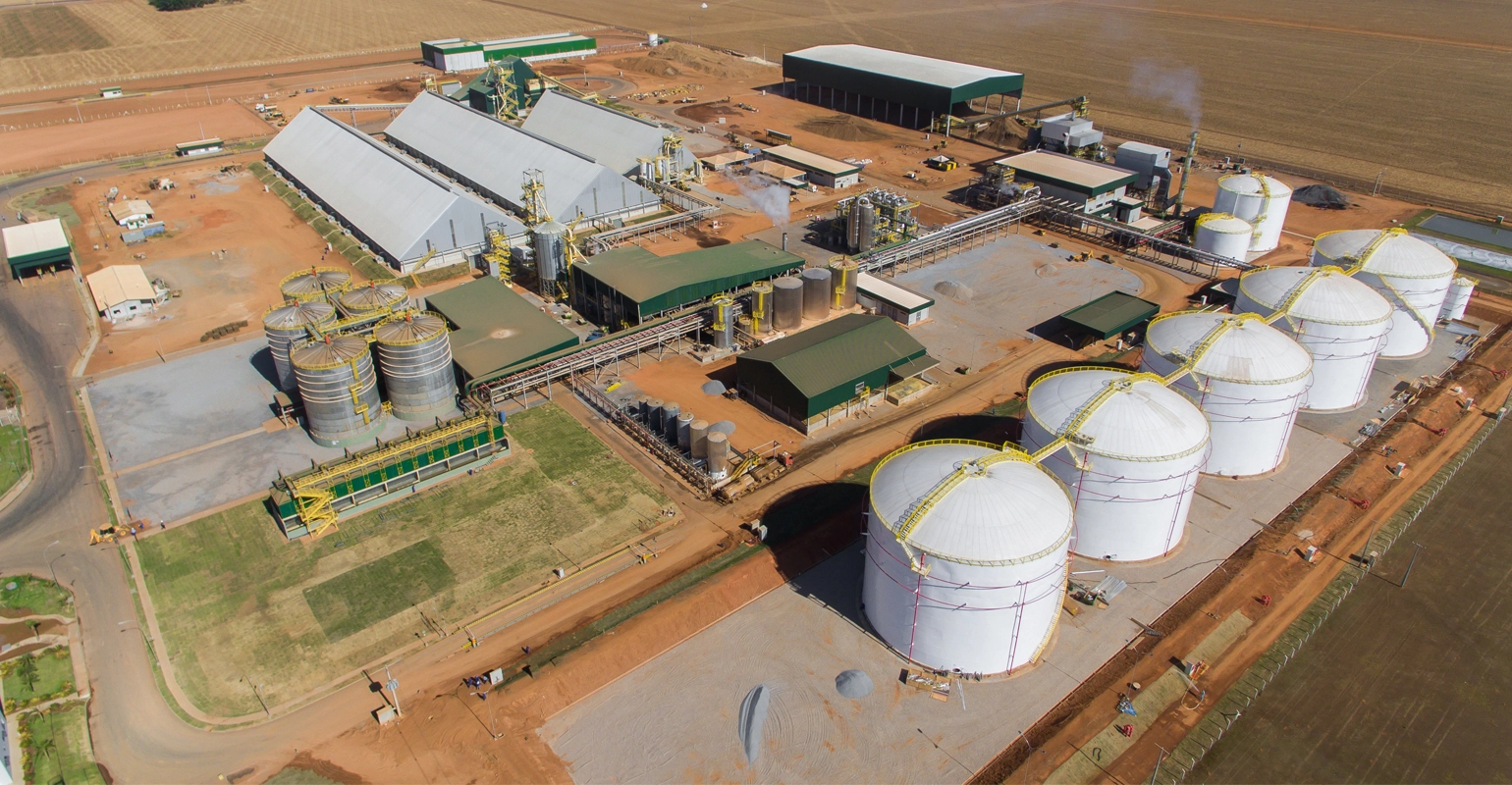
The construction site of Be8’s new ethanol plant, designed to produce ethanol from wheat and winter cereals such as oats and triticale, in Passo Fundo, Brazil, is pictured on March 16.
“We need the sugarcane and the corn and the agave and the wheat and all the different biomass. One single feedstock will not bring the answer,” Breda said. Brazil’s roughly US$20 billion ethanol industry is second only to the US, and it has long been known for its fleet of “flex-fuel” passenger cars that can run on a 30 percent mandatory blend of ethanol mixed into gasoline, or ethanol alone.