Reading Time: 4 minutesRIO DE JANEIRO — The global biofuel boom is gathering speed. War in the Middle East, oil price volatility, and fears of supply disruptions in the Strait of Hormuz have strengthened the case for alternatives to petroleum, particularly in import-dependent Asian economies. The Middle East war is projected to push energy prices up 24% this year alone, while disruptions around the strait have produced what analysts call the largest oil supply shock in history.
That geopolitical impulse is reinforcing a longer transition already underway. Global biofuel demand is nearing 200 billion liters a year, and could reach 310 billion liters a year by 2030. Growth is being driven by road-fuel policies, higher blending mandates, aviation and maritime demand, and emerging low-carbon fuel standards. Biofuels are attractive because they can be blended into existing engines, depots, and distribution systems while electrification advances unevenly across aviation, agriculture, shipping, and heavy freight.
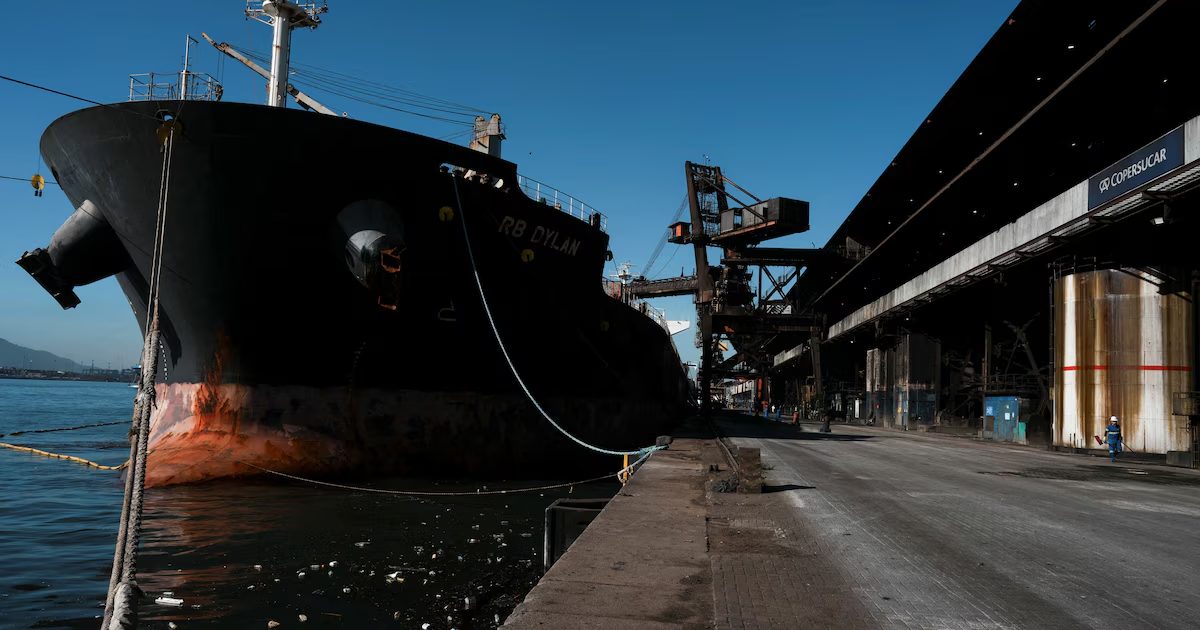
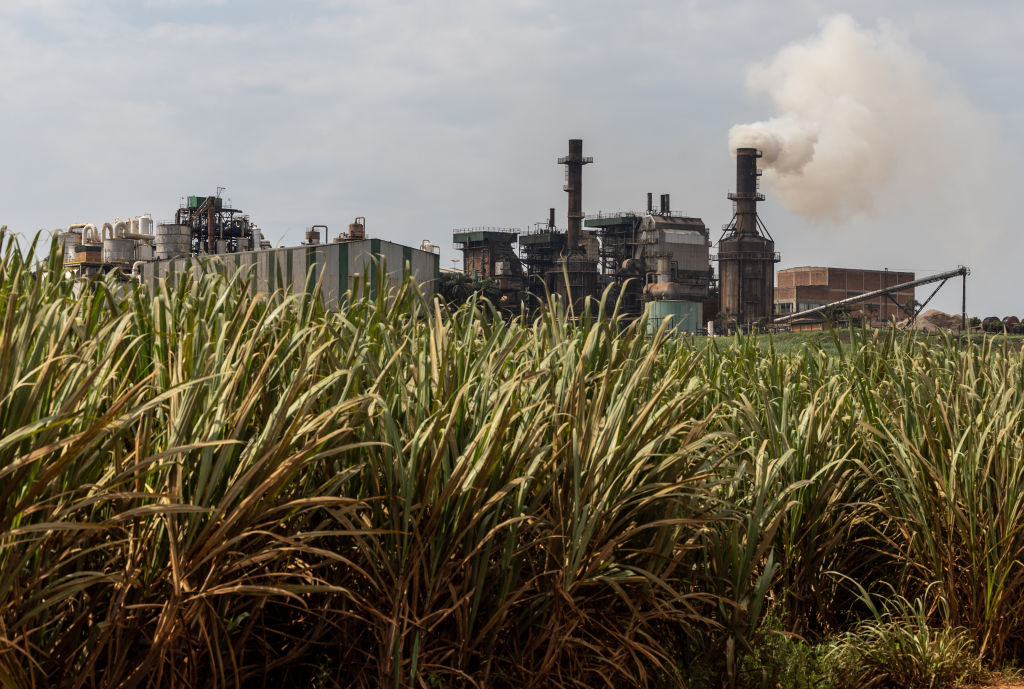
But Brazil shows why biofuels should not be treated simply as clean-energy commodities. They are also high-volume, infrastructure-intensive, and financially complex supply chains. They depend on crops, oils, alcohols, ports, terminals, distributors, tax systems, certification regimes, banks, and payment companies. In markets where organized crime already penetrates logistics, finance, and fuel distribution, the energy transition can create new opportunities for illicit profit.