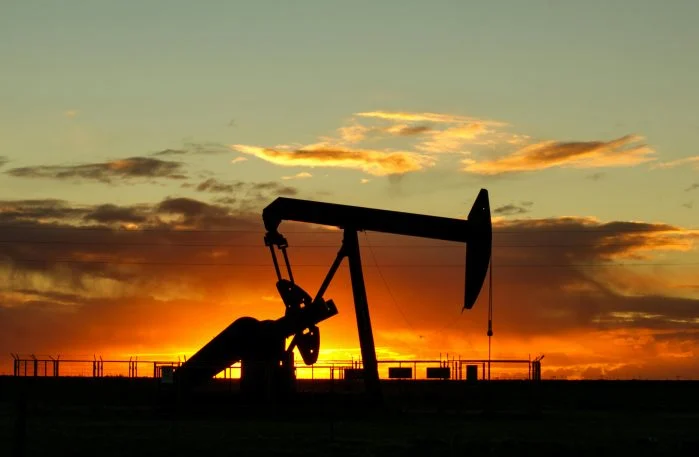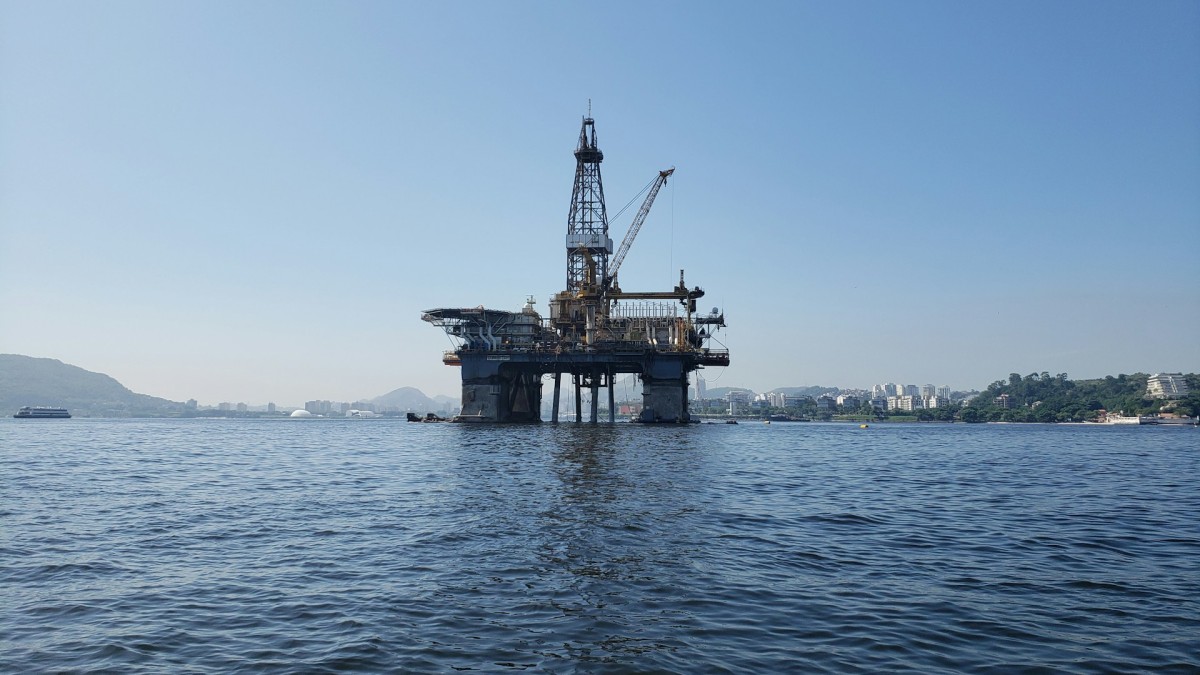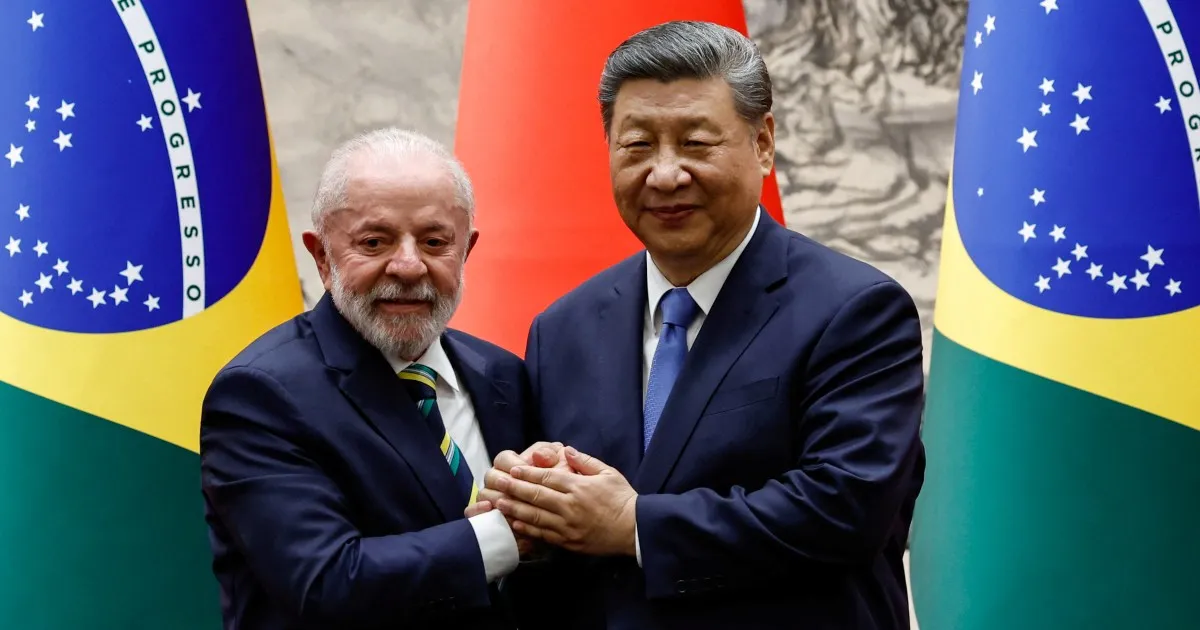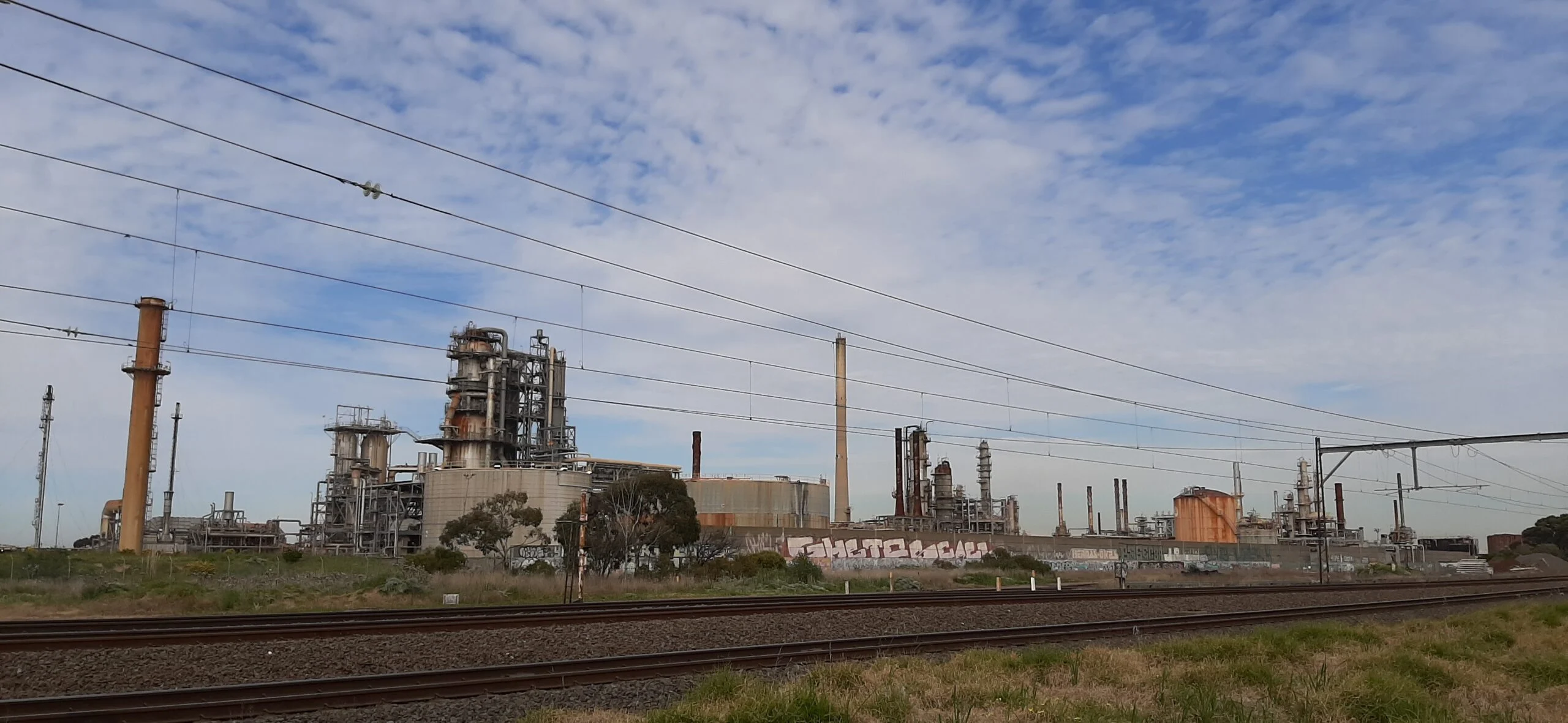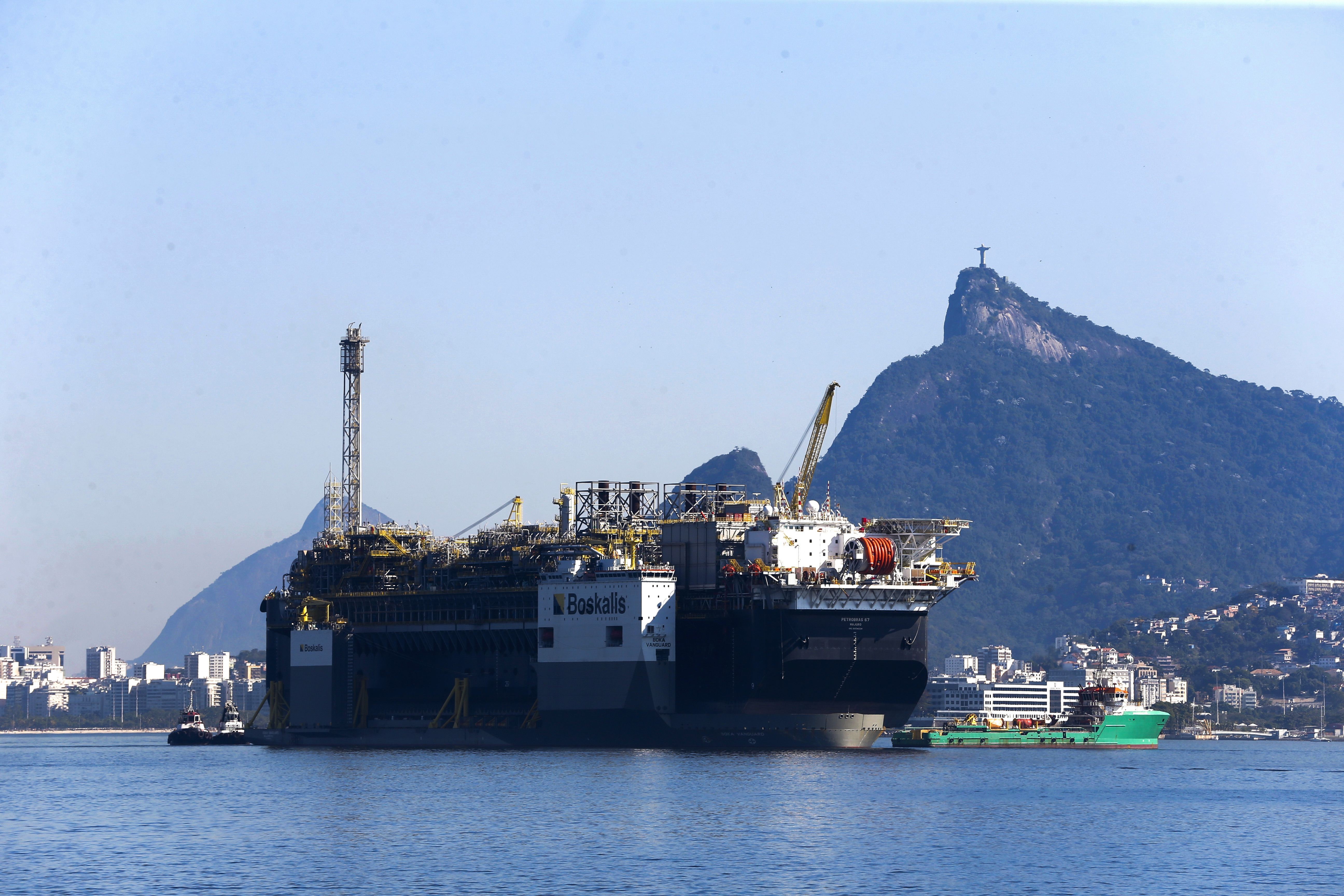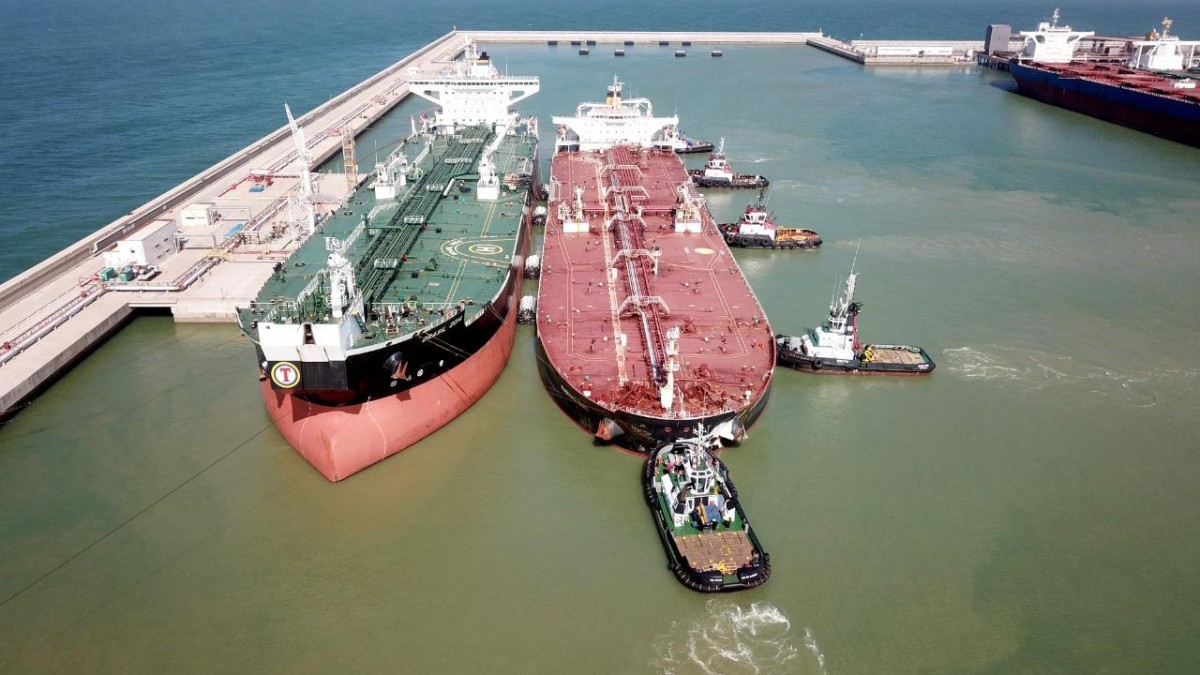
Since Middle East hostilities reignited, oil prices have soared higher, although they remain below the highs witnessed during April 2026. This can be blamed on U.S. strikes against Iran, with Tehran and Washington disrupting traffic in the Strait of Hormuz, through which a fifth of global hydrocarbon supplies are shipped. This has sparked greater demand for Brazil’s high-quality oil grades, notably from Asia, because there is no need for shipments to pass through contested waters. This will drive greater petroleum investment and production, keeping Brazil on track to become a top 5 global producer and exporter.Government data shows Brazil’s June 2026 hydrocarbon output hit a new record of 5.8 million barrels of oil equivalent daily. This is a 4.2% increase month over month and 3.6% higher than April 2026’s record high of 5.64 million barrels of oil equivalent daily. It is also an impressive 19.2% greater than the same period a year earlier. Oil production for June 2026 reached an all-time high of 4.5 million barrels per day, a 4% month-over-month increase and a stunning 19% higher than the same period a year earlier.Natural gas production is also soaring. June 2026 output hit a record 7.7 billion cubic feet per day, which was 5.5% greater than a month earlier and is a whopping 19.6% higher year over year. This is particularly important with demand for natural gas in South America soaring higher while regional supply becomes increasingly constrained because of falling reserves and production. This is particularly the case in Colombia as well as Trinidad and Tobago, where domestic hydrocarbon sectors are facing significant headwinds.Those solid numbers indicate Brazil’s oil and natural gas production is expanding in leaps and bounds, putting the country on track to become a top five global hydrocarbon producer and exporter. It is the offshore ultra-deepwater pre-salt layer, which is responsible for most of Brazil’s petroleum production, contributing nearly 77% of all oil lifted during June 2026. It is the prolific offshore Santos Basin, where the first pre-salt discovery was made during 2006 in the Tupi oilfield, which produces 74% of Brazil’s petroleum.Brazil’s medium sweet pre-salt petroleum is gaining greater market share, notably since the U.S. conflict with Iran disrupted world oil supply by closing the Strait of Hormuz. The country’s main petroleum grade, Tupi, is a medium crude oil with an API gravity of around 29 degrees, which is sweet with a sulfur content of a mere 0.31%. Those characteristics, along with low contaminants, notably paraffin and metals, make it easier and cheaper to refine Tupi into high-grade fuels.Brazil’s top export crude oil grade is increasingly popular with Asian countries, especially China, seeking high-quality feedstock for refineries which isn’t subject to the same supply risks as Middle East crude. Since transit through the Strait of Hormuz was disrupted in early 2026, Brazil’s oil exports have surged higher, although shipments were steadily growing since 2021. As a result, Brazil’s first quarter oil exports soared by 31% year over year to be worth $12.56 billion.During March 2026, China imported record volumes of Brazil’s crude oil, receiving 1.6 million barrels per day from South America’s largest oil producer. The world’s fastest-growing major economy, India, received 15% of Brazil’s oil exports, making the country the world’s second largest recipient of the country’s petroleum shipments. With further disruptions to shipping traffic needing to pass through the Strait of Hormuz and escalating strikes in the Middle East, demand for Brazil’s petroleum will remain high for the foreseeable future.Production, along with the tremendous amounts of investment required to drive higher hydrocarbon output, is growing despite leftist president Luiz Inácio Lula da Silva recently extending a controversial 12% tax on oil exports for 60 days. It is estimated that during 2026, Brazil will attract $21.3 billion of investment in upstream hydrocarbon operations. This will drive higher production at a crucial time, with the outlook for oil and natural gas highly uncertain because of ongoing clashes between the U.S. and Iran.Brazil’s aggressive plans to expand hydrocarbon output and become a leading global energy exporter will be a boon for South America. It will reduce the continent’s dependence on fossil fuel imports from the Middle East and offset declining petroleum production in Colombia, Ecuador and Peru. National oil company Petrobras will be a key driver of that expansion with the driller investing significant capital in its operations, particularly upstream assets, until the end of the decade.The Brazilian integrated energy major recently committed to spending $109 billion on operations between 2026 and 2030. Petrobras budgeted $69.2 billion for upstream projects alone, with 62% of that capital to be invested in pre-salt assets, 24% on post-salt operations and 10% for exploration activities, with the balance directed to onshore infrastructure. This, Petrobras believes, will lift its hydrocarbon output to 3.4 million barrels of oil equivalent daily, with 82% coming from pre-salt operations. Brazil’s geopolitical stability coupled with a more favorable regulatory environment since 2016 has attracted considerable attention from foreign supermajors. That investment is behind the considerable growth of the South American nation’s oil production, which rose 75% over that period. A key international player in Brazil is Anglo-Dutch supermajor Shell, which has invested heavily in the country over the last five years, nearly doubling its holdings to have a working interest in nearly 70 oil blocks compared to 30 in 2022.Shell’s aggressive expansion saw it become Brazil’s second largest oil producer behind Petrobras, lifting nearly 12% of all petroleum extracted for June 2026. This makes Brazil Shell’s largest producing country. Other energy supermajors, including Equinor, TotalEnergies, ExxonMobil and Chevron, are operating in Brazil’s prolific offshore deepwater pre-salt oilfields. Heightened Middle East tensions and ongoing disruptions to the Strait of Hormuz, with no clear end to the U.S. conflict with Iran in sight, make a geopolitically stable Brazil a preferred country for investment from Big Oil.By Matthew Smith for Oilprice.comMore Top Reads From Oilprice.comOil Prices Climb as U.S.-Iran Conflict Shows No Signs of SlowingUS Crude Oil Inventories Build As Hormuz Shipping Headache Drags OnIndia Keeps Buying Russian Oil at Near-Record Pace Despite Expired Waiver
Brazil’s Oil Boom Is Accelerating as Asian Buyers Flee the Middle East | OilPrice.com
Brazil's record oil and gas production, combined with heightened Middle East supply risks, is accelerating its emergence as one of the world's leading hydrocarbon producers and exporters.
1,006 words~5 min read