Skip to content
GQINewsNews – RecentNews Archive 2025News Archive 2024News Archive 2023News Archive 2022News Archive, 2021News Archive, 2020News Archive, 2019News Archive, 2018News Archive, 2015-2017AnalysisQnalysisPlayersPublic CompaniesPrivate/Startup CompaniesUniversitiesGovernment/Non-ProfitVenture CapitalVenture Capital – Sorted by Quantum CompanyResourcesConferencesToolsOther Websites and Industry AssociationsEducationBooksScorecardsGate Level Software PlatformsIBM Qiskit, Rigetti Forest, Microsoft QDK, Project QReview of the Cirq Quantum Software FrameworkQubit Implementation DashboardQubit CountQubit QualityQubit TechnologySoftware/Startup PartnersCloud Platform Hardware PartnersPodcastsAboutQCR Alerts Sign-Up FormAdvertising InquiriesQCR in the NewsContactPrivacy PolicyMembership
Establishing an Analytical Framework to Benchmark Logical Qubit Performance Claims
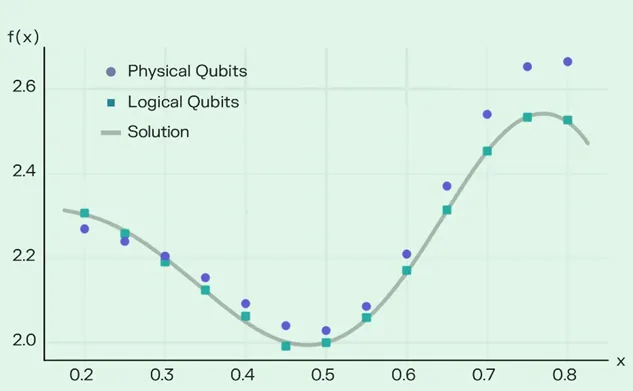
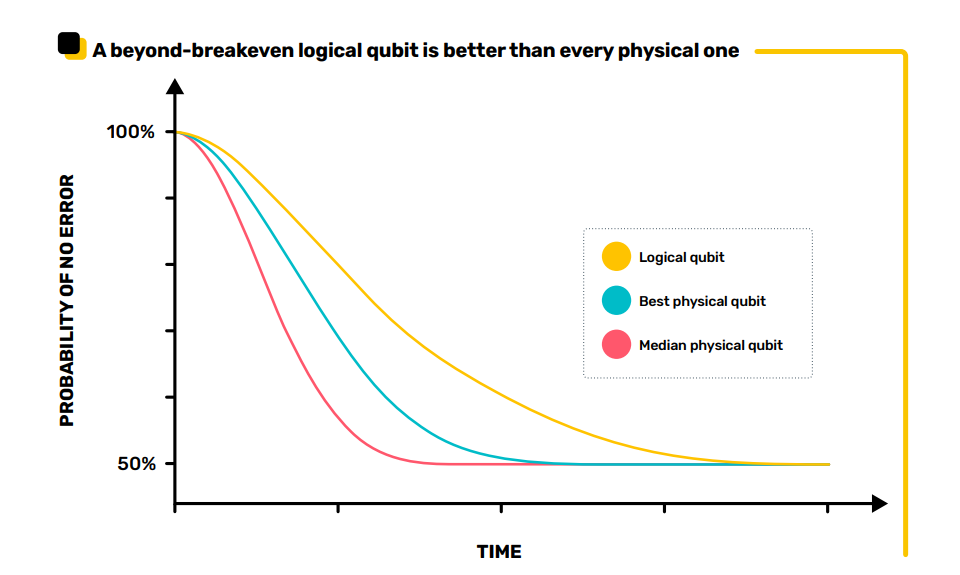
Over time the probability of measuring the correct result decreases. As in this illustrative example, the error correctionis “beyond breakeven” when the logical qubit decays more slowly than the best-performing constituent physical qubit.
The quantum computing industry’s primary focus has shifted from Noisy Intermediate-Scale Quantum (NISQ) engineering toward Fault-Tolerant Quantum Computing (FTQC). However, the term “logical qubit” is frequently used inconsistently across academic literature and commercial press releases, complicating standard benchmarking efforts. To provide investors, enterprise architects, and technical analysts with a standardized framework, this brief outlines five diagnostic criteria designed to evaluate experimental logical qubit claims independently of hardware modality.