HomeAI · summaries
Storia in 3 fonti
Establishing an Analytical Framework to Benchmark Logical Qubit Performance Claims - Quantum Computing Report
The quantum computing industry’s primary focus has shifted from Noisy Intermediate-Scale Quantum (NISQ) engineering toward Fault-Tolerant Quantum Computing (FTQC). However, the term “logical qubit” is frequently used inconsistently across academic literature and commercial press releases, complicating standard benchmarking efforts. To provide investors, enterprise architects, and technical analysts with a standardized framework, this brief outlines five diagnostic criteria designed to evaluate experimental logical qubit claims independently of hardware modality. The Five Diagnostic Core Criteria Evaluating the structural readiness of an error-corrected logical quantum memory requires checking validation metrics across five distinct technical thresholds: Algorithmic Validation Mapping across Industrial Horizons The practical necessity [...]
Confronto fonti
3 prospettive sulla stessa storiaTimeline cronologica
- ·
quantumcomputingreport.com
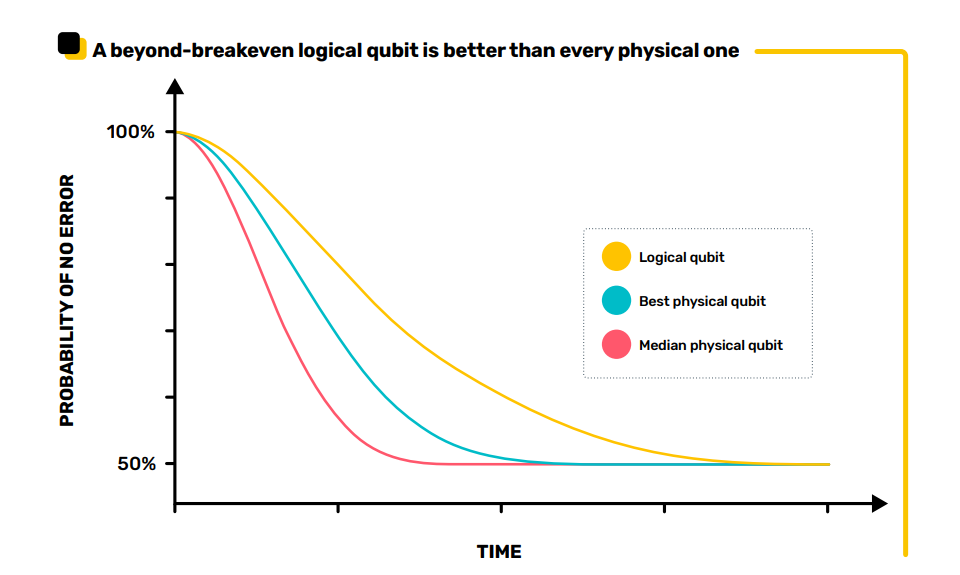
Establishing an Analytical Framework to Benchmark Logical Qubit Performance Claims - Quantum Computing Report
The quantum computing industry’s primary focus has shifted from Noisy Intermediate-Scale Quantum (NISQ) engineering toward Fault-Tolerant Quantum Computing (FTQC). However, the…
- ·
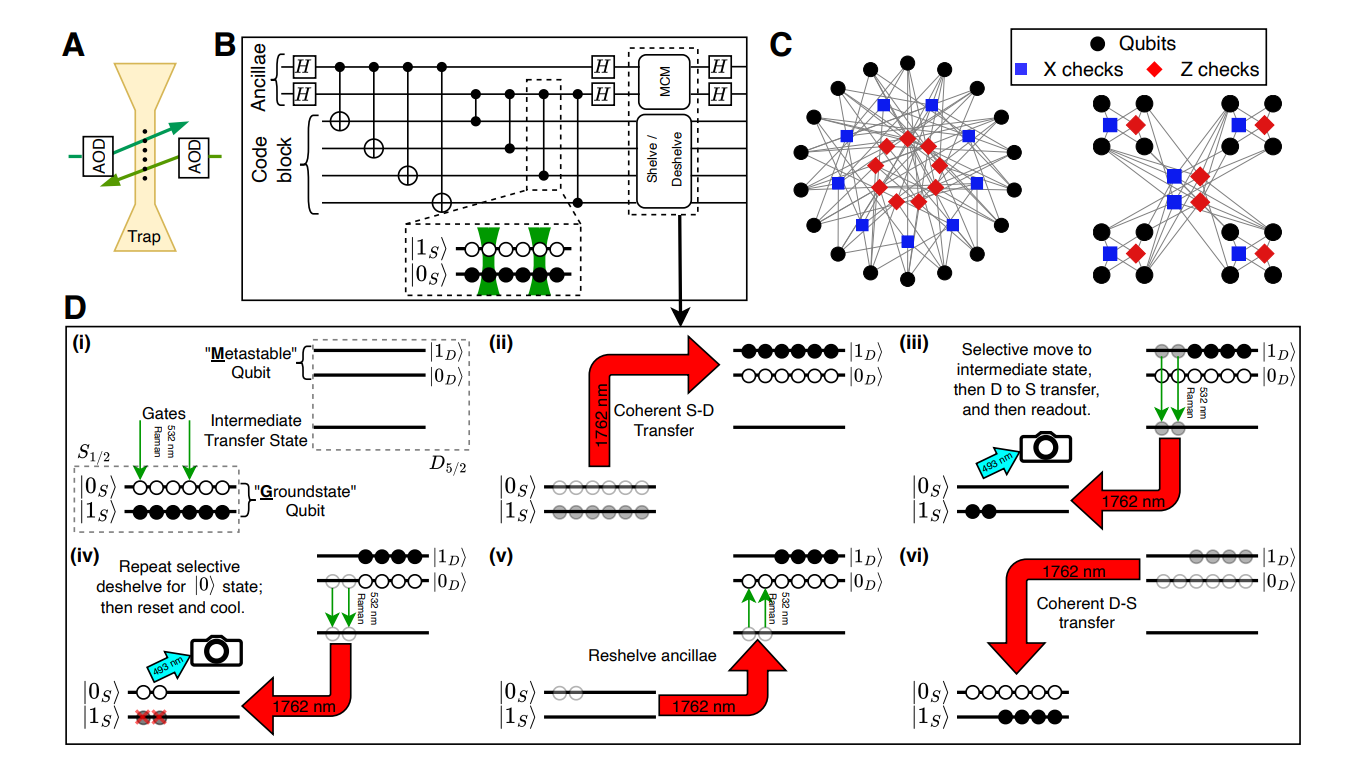
Experimental Demonstration of Breakeven qLDPC and Block Codes on a Trapped-Ion Architecture - Quantum Computing Report