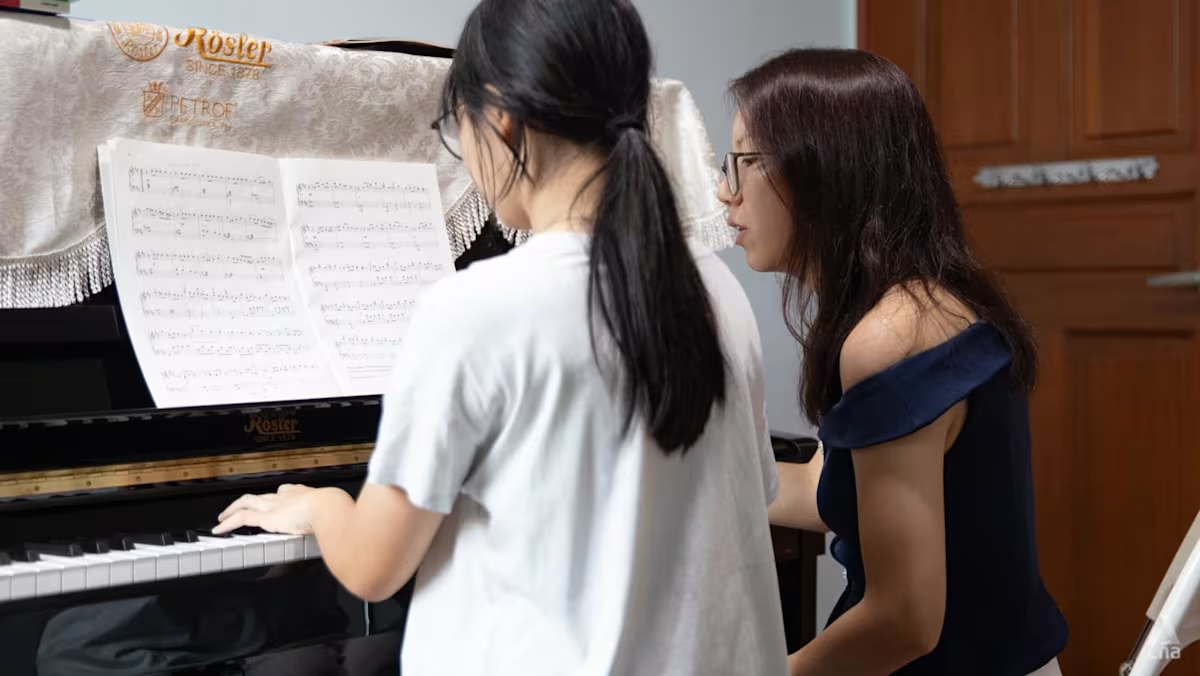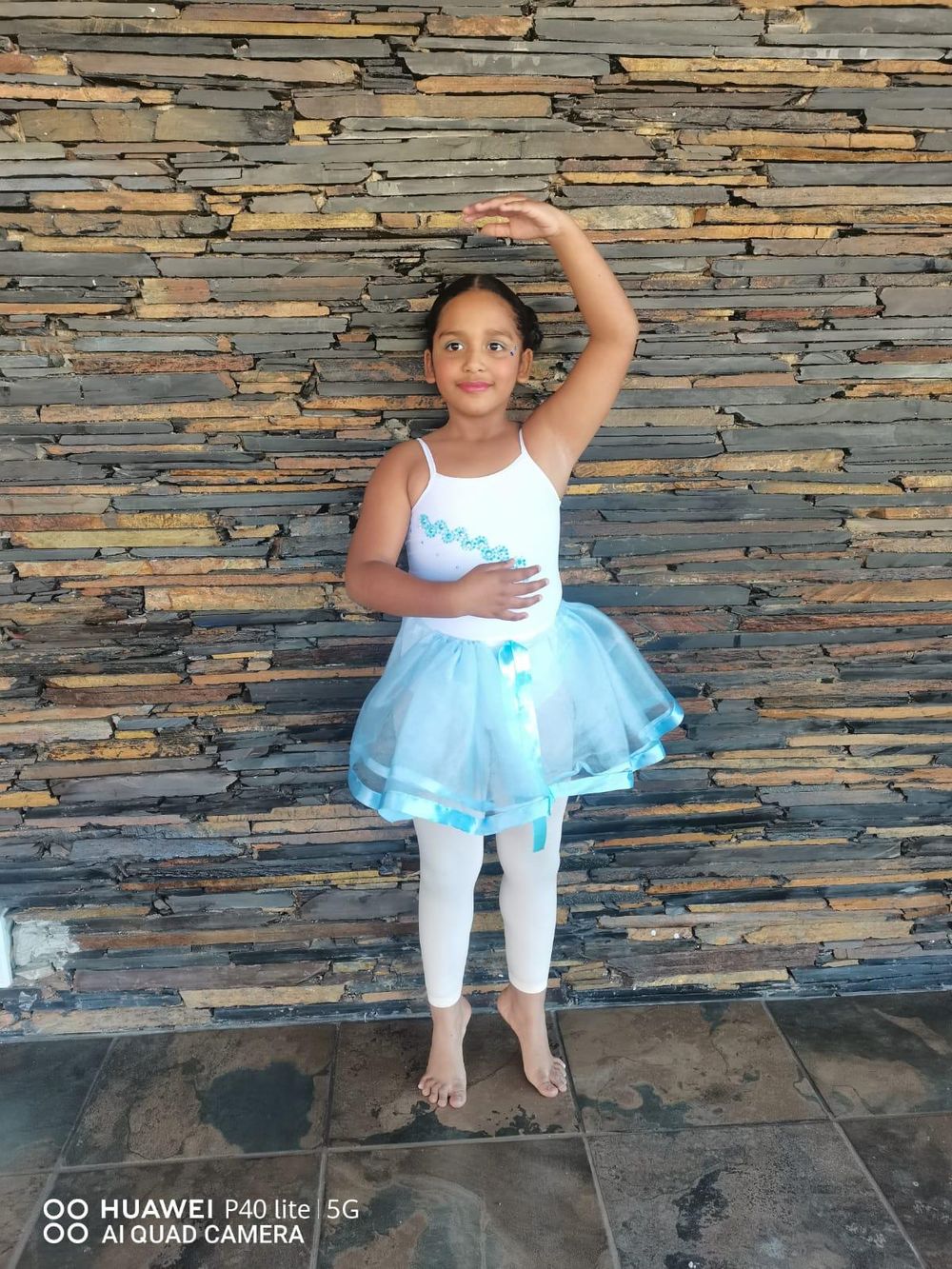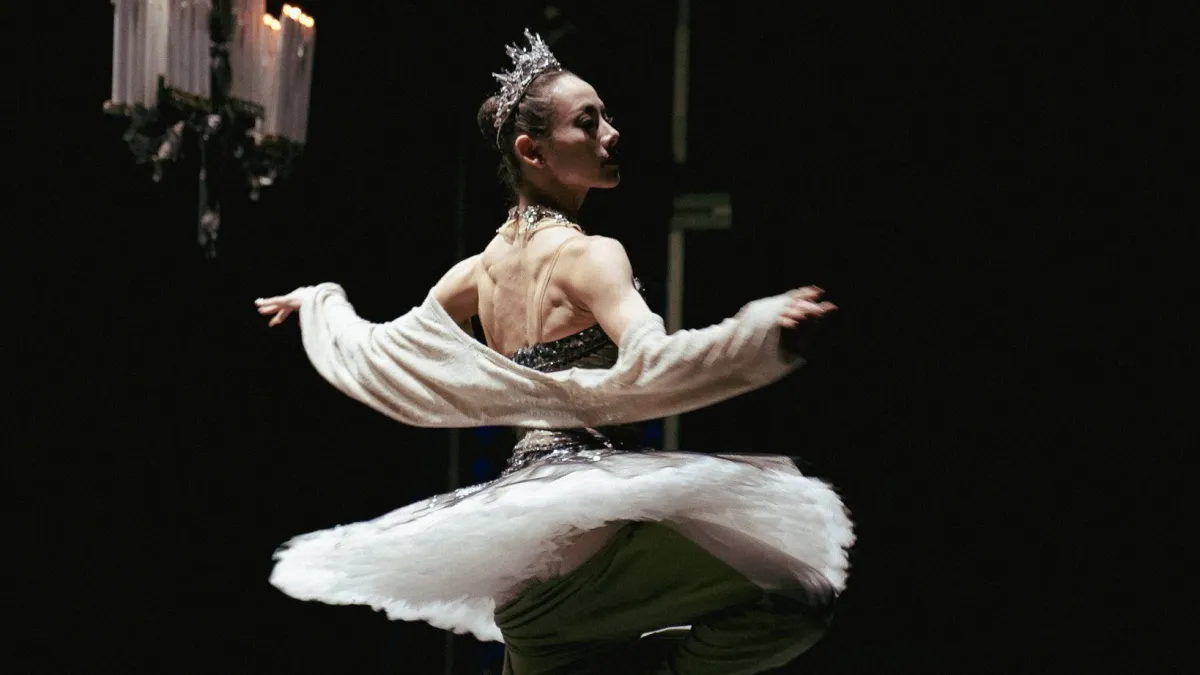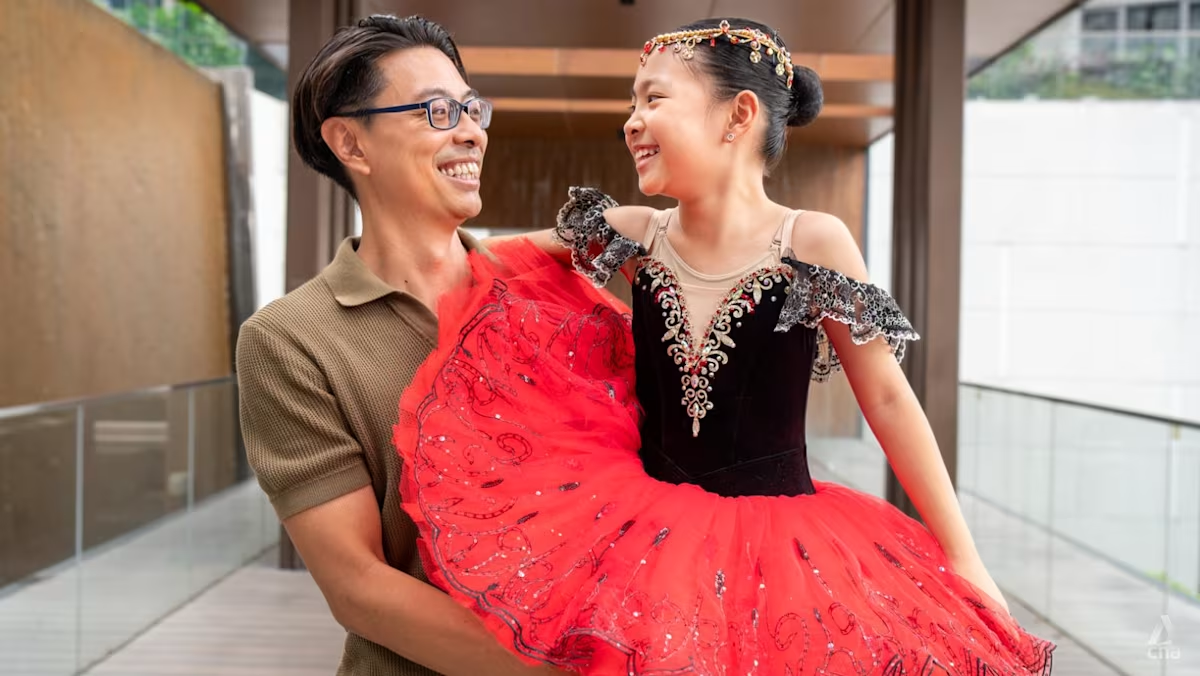
The average Singaporean primary schooler spends three hours a week in tuition. My nine-year-old daughter Claire spends double that time in a dance studio.At 8pm on a Friday night, she's volunteering to stay behind after her ballet class. Not to practise her dance moves, but to be a teaching apprentice instead.Shadowing her teacher, Claire helps younger dancers correct their posture and maintain their ballet poses, among other things. In a society built on efficiency, risk aversion and ROI (return on investment), backing my daughter to spend that much time developing an interest or a potential career outside the typical Singaporean aspiration list of doctors and lawyers raises plenty of eyebrows.This is especially evident during family dinners and gatherings, when questions about her apprenticeship focus on how it'll affect her job prospects in adulthood."But what's she really going to do in the future?" "I hope you're not neglecting her schoolwork." "You should shift some of your budget to enrichment classes instead."
Although these are well-meaning critiques, we're holding fast to our belief that this decision to let her spend more time at her ballet school rather than in a tuition class will serve her well in an uncertain future.Our belief isn't based on blind idealism or the "follow your passion" cliche.In a future where analytical reports, illustrations, videos and mathematical problems can be generated with artificial intelligence (AI) and solved in a matter of seconds, a pertinent question is whether current curricula are adequate or even relevant for her future.And so, will surviving, or even thriving, in the current system really deliver education's implicit promise?WHAT I SEE IN THE EDUCATION REALMTo be clear, I'm definitely not neglecting my daughter's education. She attends weekly Chinese tuition classes with her eight-year-old brother.Every day, I see the value of a strong academic foundation, as my wife and I run an online education centre helping students who struggle with their science subjects.When our students first enrol, we notice that they are often unsure about the subject and have little confidence in engaging in discussions about science. Then, as they learn and gradually build their mastery of the subject, they begin to speak up, share their opinions and carry themselves with confidence.But from my vantage point, I also see the cracks.