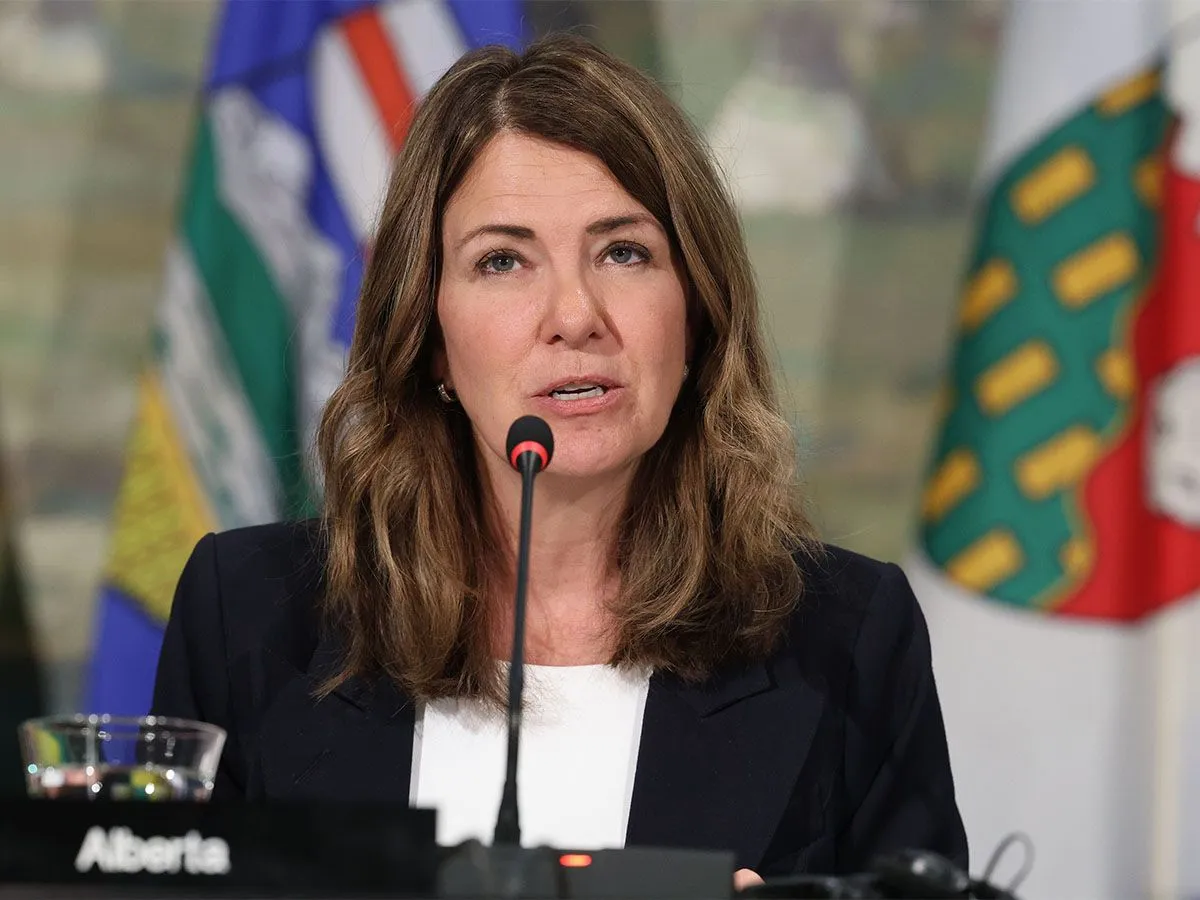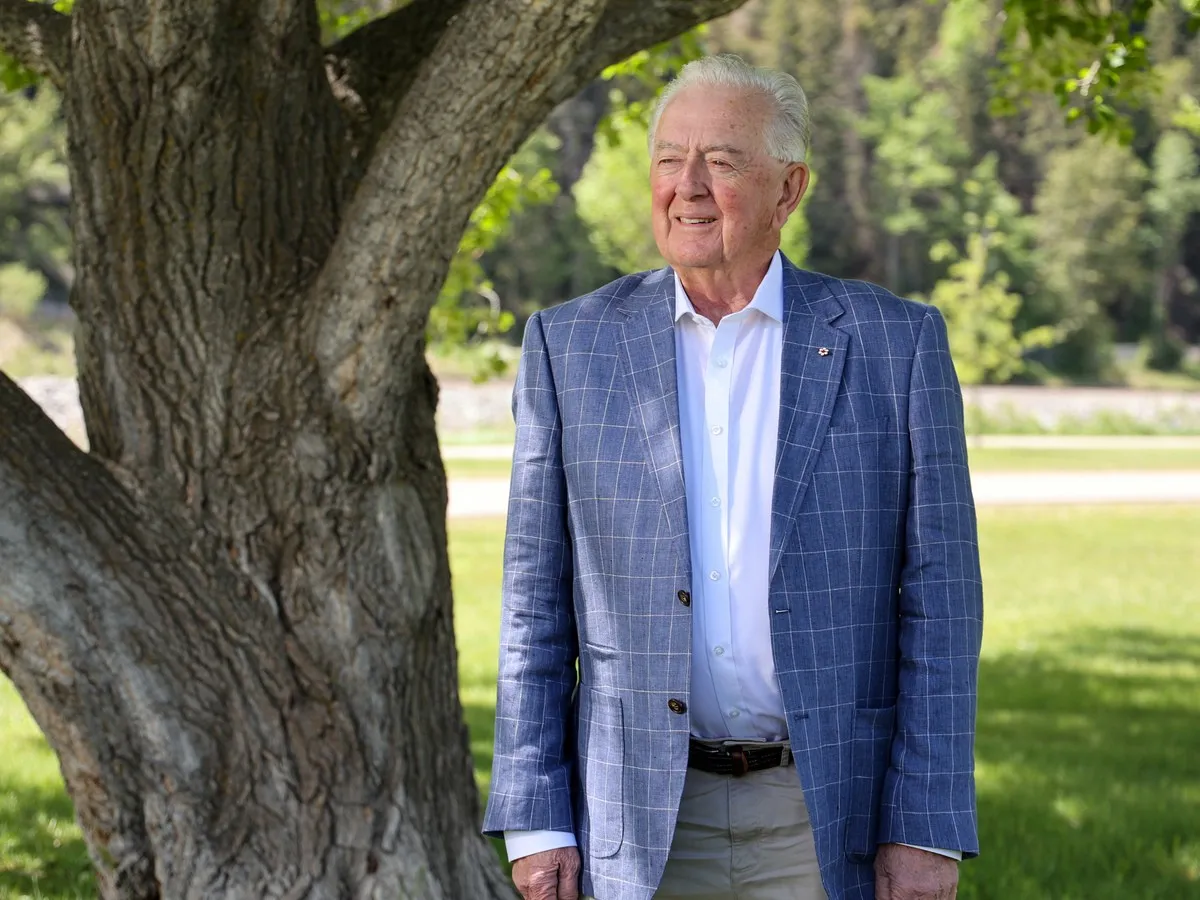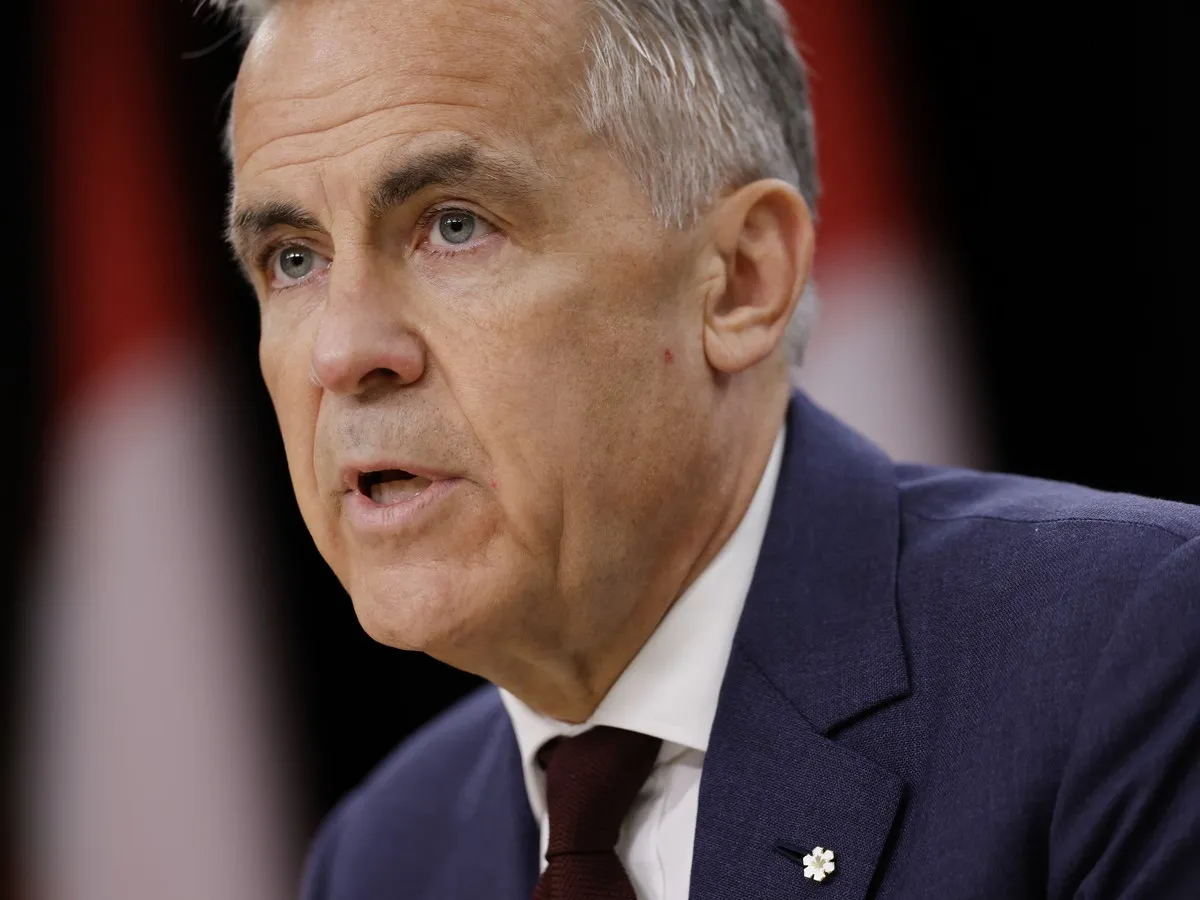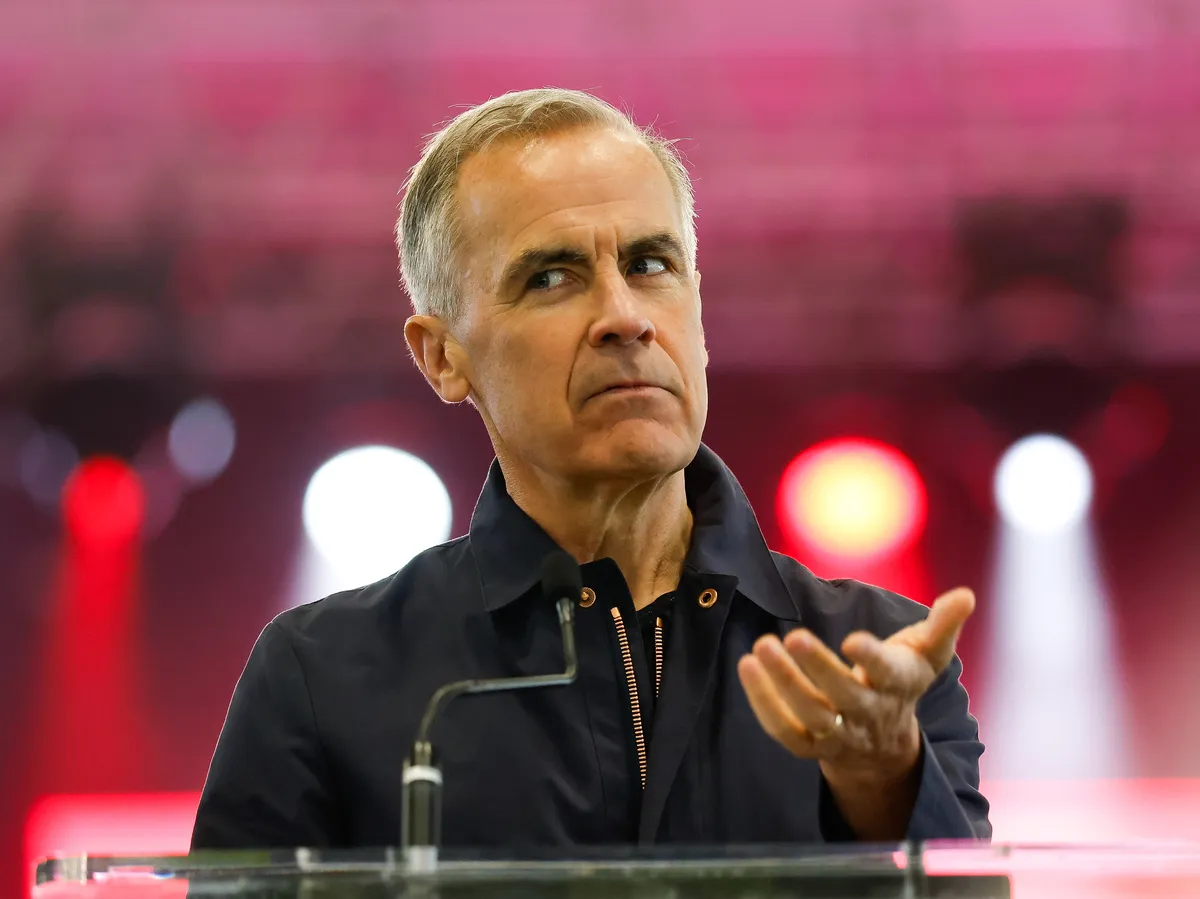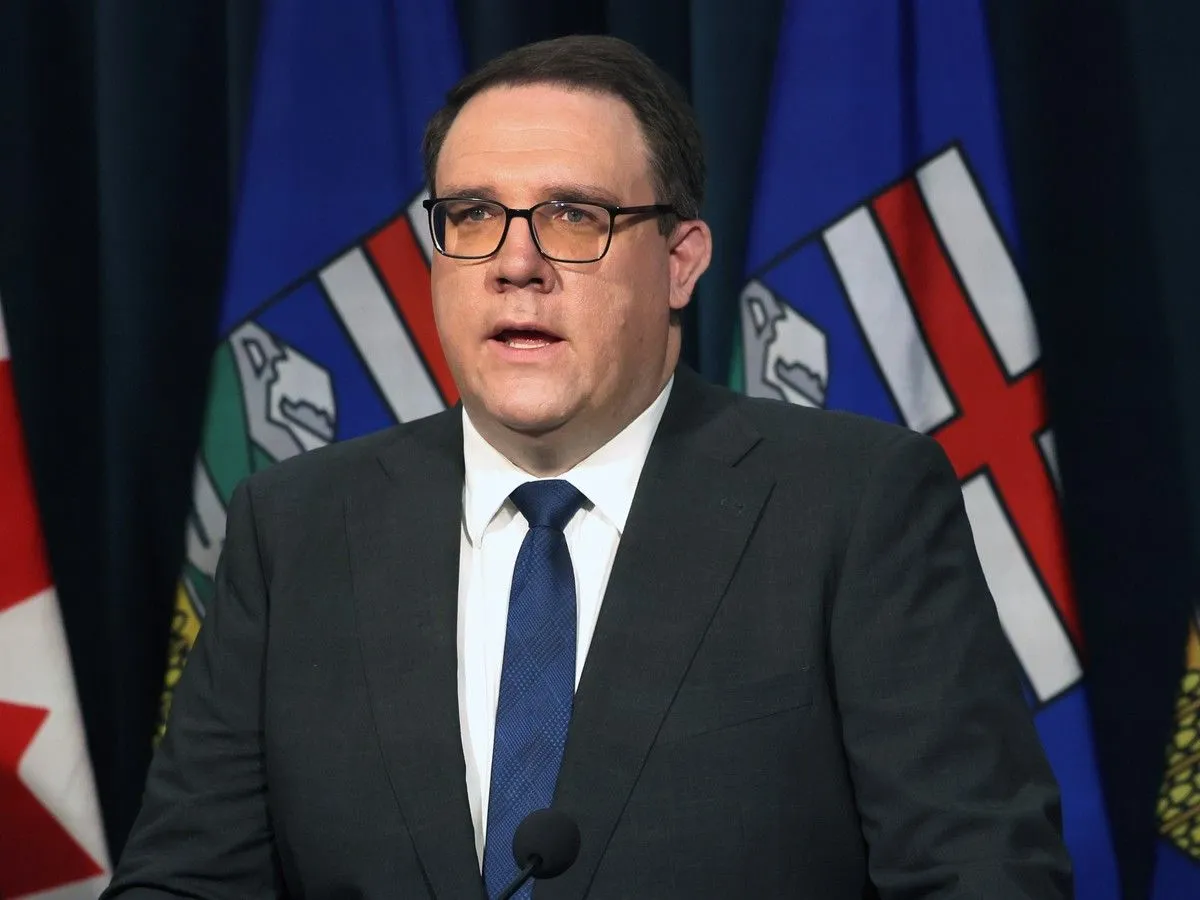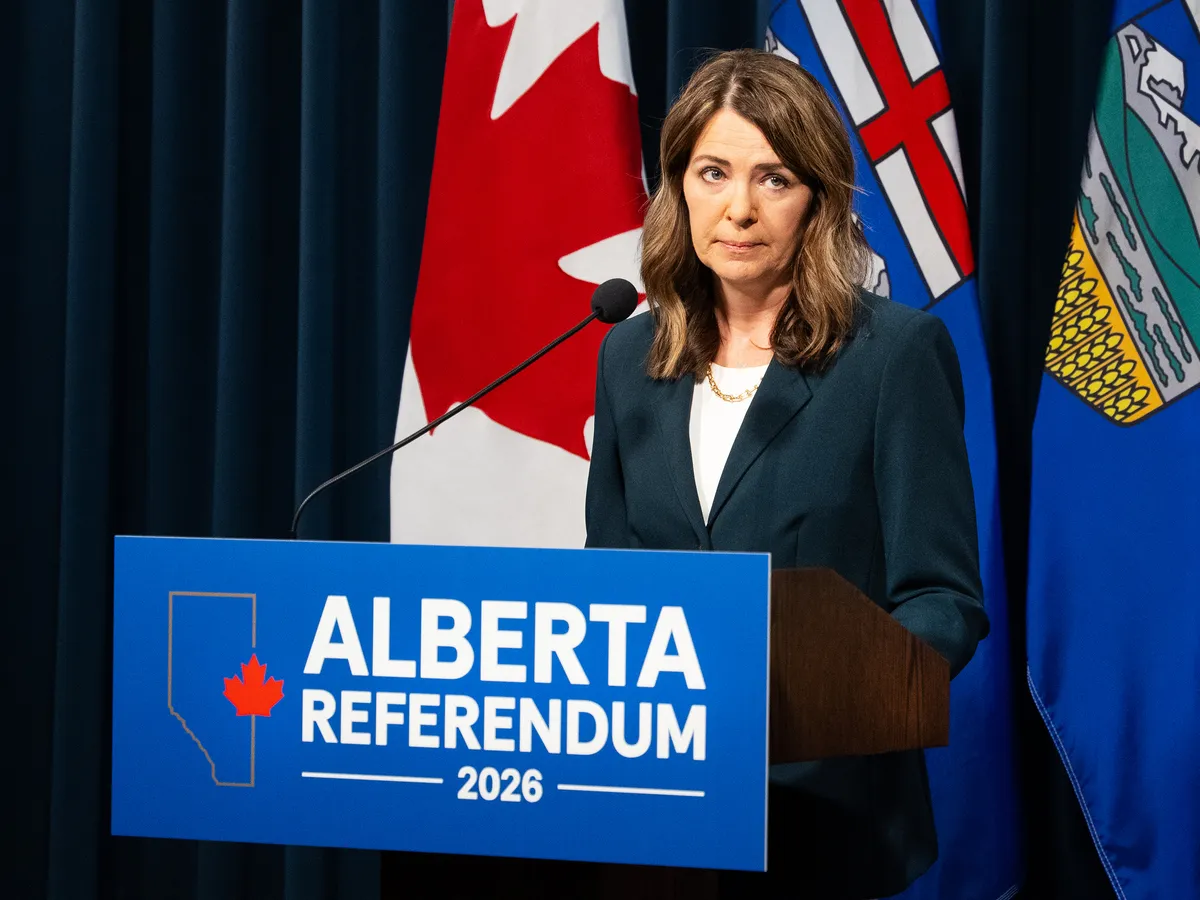
Skip to Content News Archives Economy Energy Oil & Gas Renewables Electric Vehicles Mining Commodities Agriculture Real Estate Mortgages Mortgage Rates Finance Banking Insurance Fintech Cryptocurrency Work Wealth Smart Money Wealth Management Investor Personal Finance Family Finance Retirement Taxes High Net Worth FP Comment Executive Women Puzzmo Newsletters Financial Times Business Essentials More Innovation Information Technology FP500 Podcasts Small Business Lives Told Tails Told Shopping Financial Post Store Obituaries Place a Notice Advertising Advertising With Us Advertising Solutions Postmedia Ad Manager Sponsorship Requests Classifieds Place a Classifieds ad Working Profile Settings My Subscriptions Saved Articles My Offers Newsletters Customer Service FAQ News Economy Energy Mining Real Estate Finance Work Wealth Investor FP Comment Executive Women Puzzmo Newsletters Financial Times Business Essentials HomeFP CommentWilliam Watson: Six degrees of separation anxietyThere's lots to worry about in an Alberta referendum. As Quebec's two votes and Brexit demonstrate, unknown unknowns lie in wait for usLast updated 3 hours ago You can save this article by registering for free here. Or sign-in if you have an account.Alberta Premier Danielle Smith speaks at a press conference at McDougall Centre in Calgary on the referendum question asking whether or not Alberta should separate from Canada, on Friday, May 22, 2026. Photo by Dean Pilling/PostmediaAfter Quebec’s two “sovereignty” referenda, in 1980 and 1995, Scotland’s independence vote in 2014 and Britain’s Brexit debate in 2016, some things about referenda seem clear.Subscribe now to read the latest news in your city and across Canada.Exclusive articles from Barbara Shecter, Joe O'Connor, Gabriel Friedman, and others.Daily content from Financial Times, the world's leading global business publication.Unlimited online access to read articles from Financial Post, National Post and 15 news sites across Canada with one account.National Post ePaper, an electronic replica of the print edition to view on any device, share and comment on.Daily puzzles, including the New York Times Crossword.Subscribe now to read the latest news in your city and across Canada.Exclusive articles from Barbara Shecter, Joe O'Connor, Gabriel Friedman and others.Daily content from Financial Times, the world's leading global business publication.Unlimited online access to read articles from Financial Post, National Post and 15 news sites across Canada with one account.National Post ePaper, an electronic replica of the print edition to view on any device, share and comment on.Daily puzzles, including the New York Times Crossword.Create an account or sign in to continue with your reading experience.Access articles from across Canada with one account.Share your thoughts and join the conversation in the comments.Enjoy additional articles per month.Get email updates from your favourite authors.Create an account or sign in to continue with your reading experience.Access articles from across Canada with one accountShare your thoughts and join the conversation in the commentsEnjoy additional articles per monthGet email updates from your favourite authorsSign In or Create an Accountor• The wording doesn’t really matter. The English version of Quebec’s 1980 question was 108 words long. It was actually pretty clear but, fancifully, it offered an economic association and common currency with Canada that were not within Quebecers’ power to grant themselves. The mortgage-like 1995 question was an opaque 43 words that included references to two other documents. On both occasions, however, people understood we might be at an important fork in the road, maybe even a point of no return, so the debate was serious and intense.Alberta’s new 37-word question, even as amended following an unfavourable court decision, is still pretty clear: “Should Alberta remain a province of Canada or …” should the government organize a formal referendum on separation? A few Albertans who favour staying may nevertheless want a formal vote, while some separatists may not think a vote necessary. But apart from a few nitpickers most Albertans will be voting yea or nay on Canada. All the tension in the two Quebec referenda — and there was a ton of tension — came from the stakes being so high.Get the latest headlines, breaking news and columns.By signing up you consent to receive the above newsletter from Postmedia Network Inc.A welcome email is on its way. If you don't see it, please check your junk folder.The next issue of Top Stories will soon be in your inbox.We encountered an issue signing you up. Please try again• Turnout will soar. Because of the stakes it was 85 per cent in Quebec 1980 and 93 per cent in 1995 (though that’s disputed because of suspected ballot shenanigans). In Scotland it was 85 per cent, though for Brexit only 72 per cent: maybe many Brits figured in or out of Europe didn’t really matter. Alberta is asking nine other questions on its October referendum. You’d think having their opinions sought on very serious matters should get people out.Purists argue our system is representative democracy so we should forget about referenda. But on fundamental questions everybody wants a direct say. Maybe we shouldn’t trust the masses but our system is one person, one vote, not one PhD, one vote. Plus, it’s not as if our representatives are so great at representing us. Every time Parliament votes on supply management it’s unanimously for higher food prices and less “affordability.”• Referenda are a high-risk continuation of politics by other means. I once sat at a faculty lunch table where a retired Pierre Trudeau told us Quebec will never separate. But referenda can go awry. In 1995, federalists were comfortably ahead until the last two nail-biting weeks. David Cameron is widely blamed for recklessly allowing a Brexit referendum just to call the bluff of Euroskeptics in his party, only to have it blow up in his face, which cost him his job. But if, as turned out, a majority of Britons really did want out of Europe, that’s got to count for something.Danielle Smith is accused of risking Canada in order to manage the separatist wing of her party. But she’s a politician. If her party’s divided, she can’t just say “My way or the highway!” Or rather, she can say it but she can’t guarantee she won’t be the one who ends up driving off down the Yellowhead into a Rockies sunset as her replacement as party leader fires up a referendum and leads the separatist side using all the powers of government. All politicians exaggerate their own indispensability (except maybe Lincoln, who actually was indispensable) but maybe it’s better that Smith preside over a referendum than someone else.• The only thing we have to fear is fear of fear-mongering. In 1995 federal finance minister Paul Martin was almost pilloried in Quebec for saying that an independent Quebec might face economic difficulties, such as no equalization, no guarantee of inheriting trade deals it was party to as a province of Canada, a smaller market, no seat at the G7 table, and so on. All perfectly reasonable. And greeted by Quebec’s separatist elite as hate speech. Never may be heard a discouraging word about the sacred mission of the people!Mark Carney himself, when governing the Bank of England, was accused of heading “Project Fear” after bank research concluded Brexit would have economic costs. (Maybe it did, maybe it didn’t: it’s always hard to know how the world would have fared on a different path.) But if people who point out plausible downsides to separation are simply cancelled, the data base for decision-making gets skewed in separatists’ favour.• Who will speak for Canada? Pierre Trudeau took a leading role in Quebec in 1980. But in 1995, polls suggest, a famous rally of non-Quebecers may well have hurt the federalist vote, symbolic as it was of “foreign” interference. Mark Carney, though raised in Alberta, has that baggage from Brexit so maybe he’s ineligible. Our tendency, whichever province we’re from, to discount views from “the rest of Canada” only confirms separatists’ pessimistic diagnoses about the country.• Unknown unknowns doubtless await. As always, most worrisome of all. Join the Conversation This website uses cookies to personalize your content (including ads), and allows us to analyze our traffic. Read more about cookies here. By continuing to use our site, you agree to our Terms of Use and Privacy Policy.
William Watson: Six degrees of separation anxiety
There's lots to worry about in an Alberta referendum. As Quebec's two votes and Brexit show, unknown unknowns lie in wait for us. Read on
1,342 words~6 min read