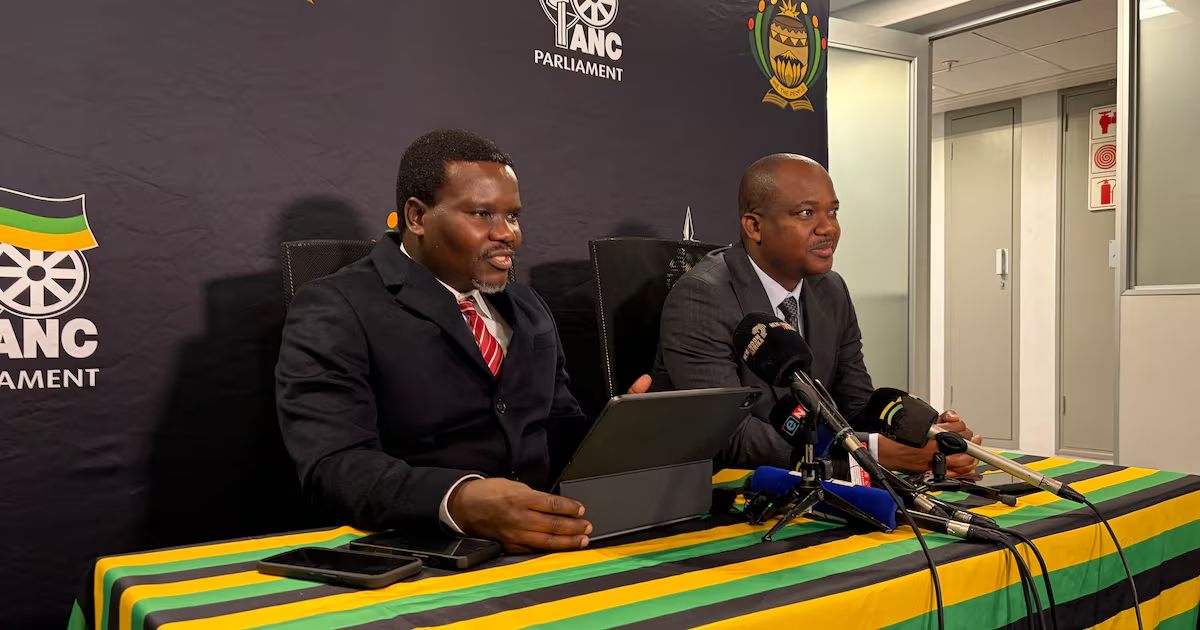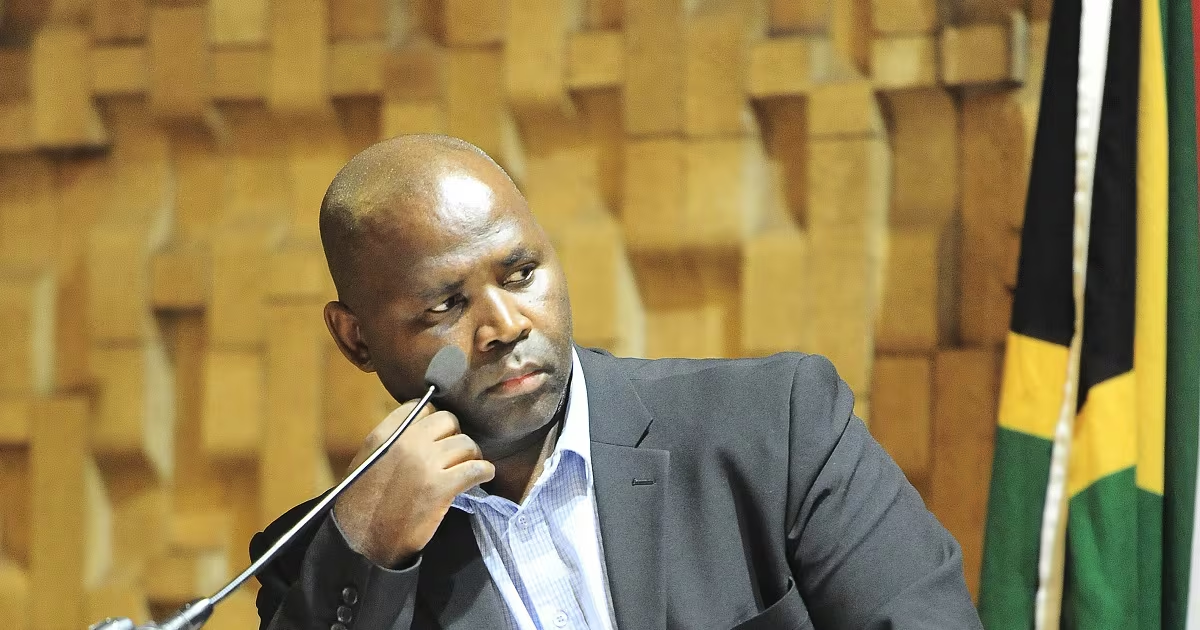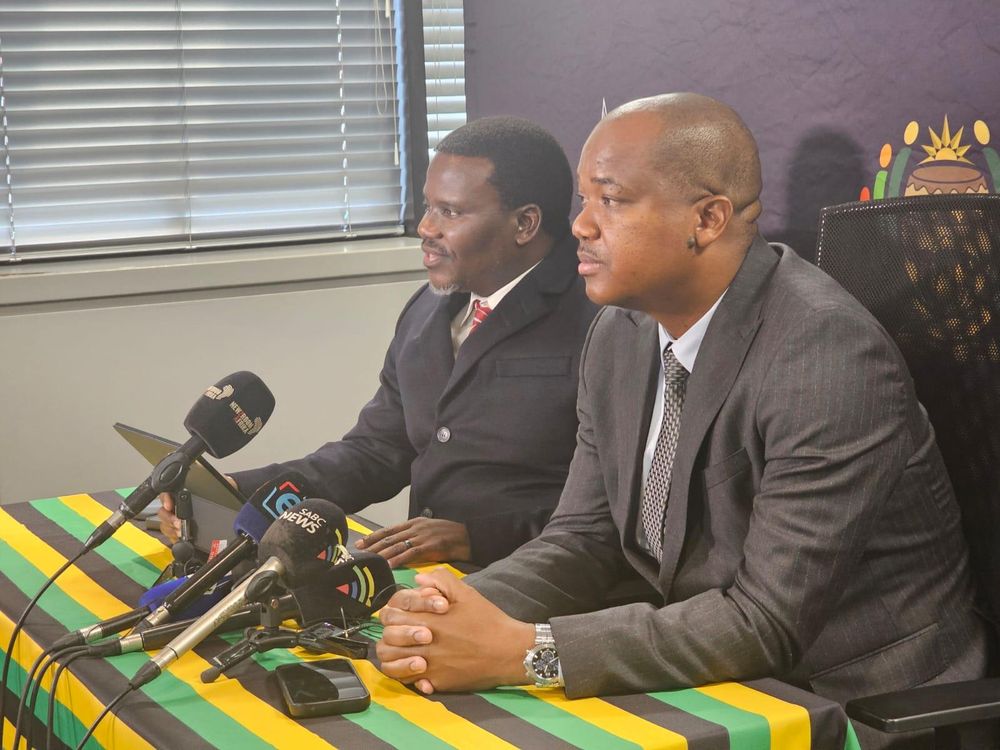
Noluthando Ngcobo is the ANCYL head of the drafting subcommittee. She says the answer will determine not only the future of its leadership, but the character of the ANC itself.
THE evolving legislative landscape in South Africa is increasingly raising a fundamental political question: Is the state being used to regulate and ultimately reshape the internal life of the African National Congress?
Two key instruments, the Political Party Funding framework and the recent Public Service Amendment Act, suggest a growing pattern where governance reforms, however well-intentioned, carry unintended consequences that directly affect the organisational capacity and sustainability of the movement.
The political party funding framework introduced a new regime of transparency and compliance. While accountability in political financing is both necessary and constitutionally grounded, its practical effect has been to constrain the financial muscle of the ANC, particularly when compared to opposition parties that may rely on different funding models.
The unintended consequence is a tightening of resources available to sustain organisational programmes, political education, and crucially, the livelihoods of those who dedicate their lives to the movement.