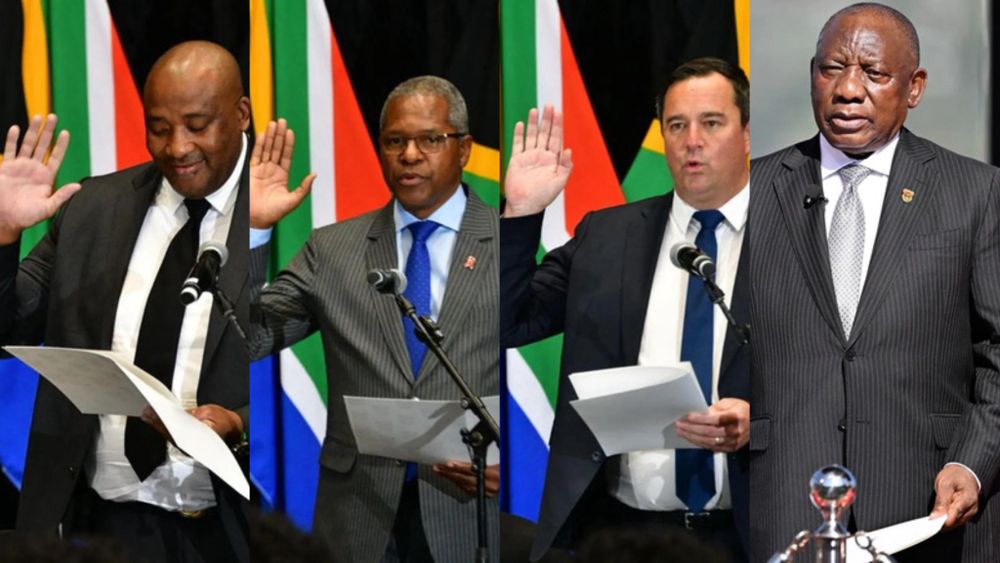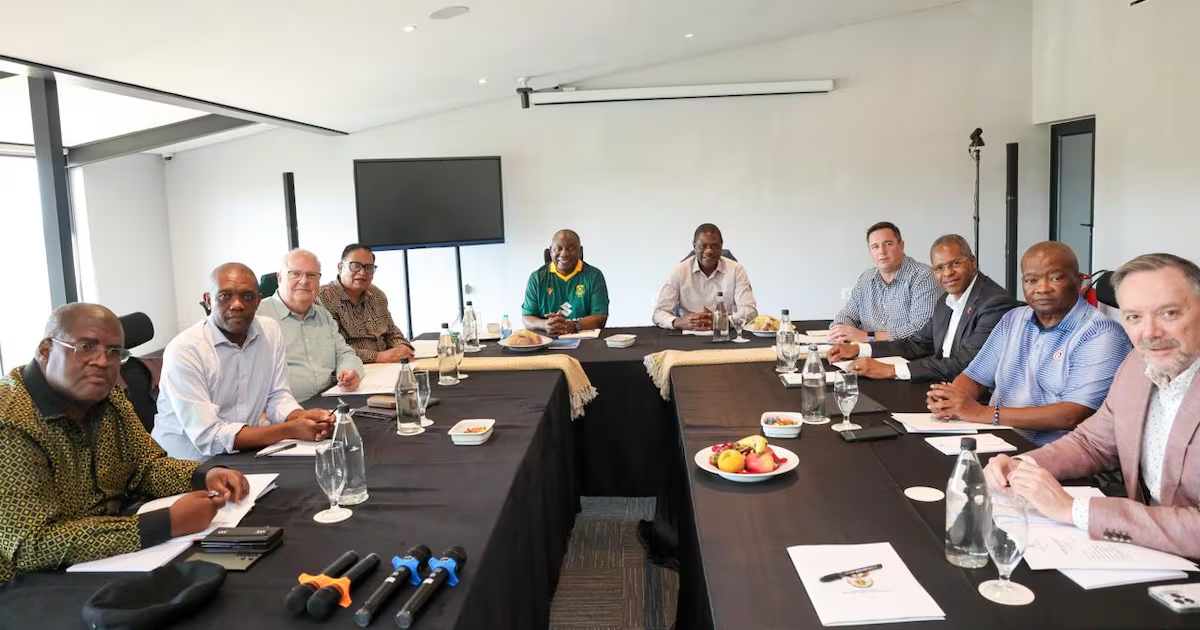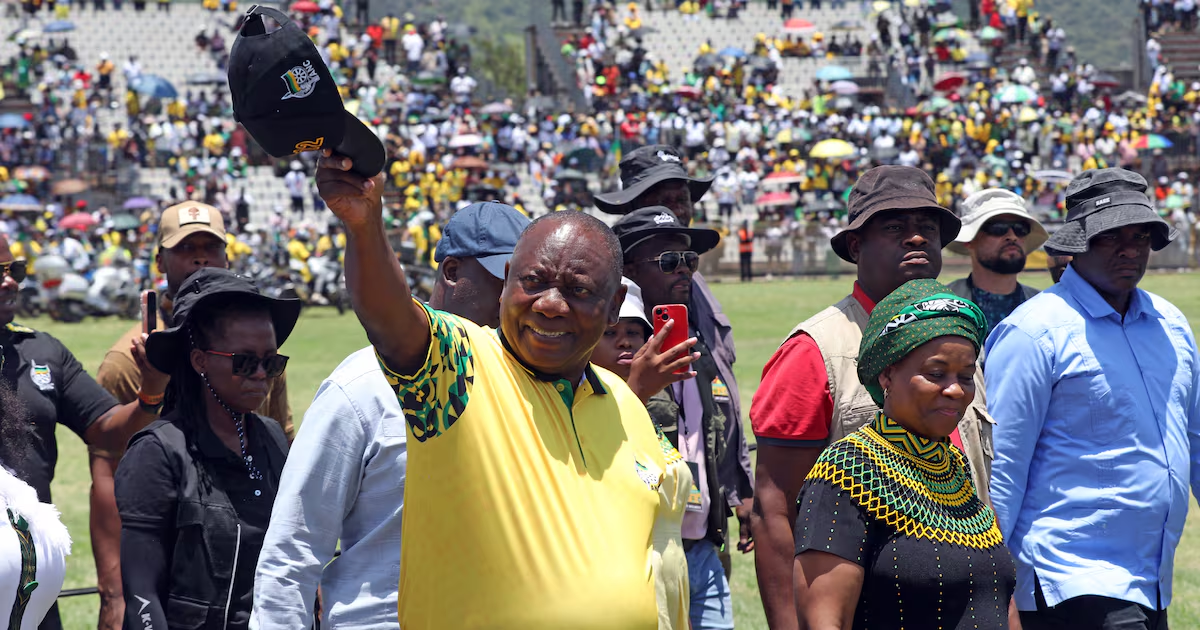
For three decades, the ANC, South Africa’s largest political party, has enjoyed unfettered power to dispense state patronage to its members as it pleases. But the advent of the government of national unity (GNU) has begun to chip away at this power. And this is to be welcomed.Early this month, the DA, the second-largest party, petitioned the Public Service Commission (PSC), the increasingly effective civil service watchdog, to investigate whether it was appropriate for public servants to appear before the ANC’s “study groups” in parliament.These groups are informal committees of ANC MPs deployed to various portfolio committees of parliament. Typically, before appearing before parliamentary committees, ANC ministers, with departmental officials (career public servants) in tow, brief these study groups.The practice extends to boards and executives of state-owned enterprises (SOEs) and organs of state. Supposedly, the ANC uses these private, unminuted briefings to fashion a party position in these committees when they meet. Opposition MPs and the public aren’t privy to these briefings.This convention has continued into the GNU era. According to reporting by this newspaper, some ministers might have misled parliament in their response to the DA’s questions about this ANC practice.When the ANC was a dominant party, this tradition continued unnoticed. So did the policy of cadre deployment. Cadre deployment, which was legally challenged by the DA, saw the ANC reward its party faithful with posh positions in the civil service, foreign service, organs of state and SOEs. Some of these turned out to be major disappointments, to say the least.Mission-critical institutions such as the South African Revenue Service, the police Directorate for Priority Crimes Investigations and the National Prosecuting Authority were hollowed out and brought to their knees. Only recently have they begun recovering from state capture, a by-product of cadre deployment.In theory, at least, there would be nothing wrong with appointing competent party loyalists to big jobs. The problem, however, is that the ANC has increasingly got this combination — of competence and loyalty — horribly wrong.More concerning, the ANC has continued with cadre deployment into the GNU era even after the DA challenge and the unflattering evidence at the Zondo commission of inquiry into state capture and corruption.As well as sending public servants to give private briefings to the ANC MPs, cadre deployment blurs the lines between the party and state. Under the leadership of Somadoda Fikeni, its chair, the PSC has established a good track record in efforts to professionalise the public service.The PSC’s work leading up to the sacking of the scandal-prone Sisisi Tolashe, the disgraced former social development minister, is a case in point. This newspaper welcomes the PSC’s investigation into this matter. We urge the PSC to particularly shine light on two aspects: first, which other GNU parties have similar practices to the ANC; and second, the effect of this practice in shielding rogue public servants and executives of organs of state and SOEs and their boards from accountability. In corporate governance terms, sharing information with a select group of stakeholders is frowned upon. This information is used to commercially advantage those who receive it before others. They can buy or sell stocks on the basis of this information.In political terms, these ANC study groups pose a similar threat. They privilege ANC MPs with candid, but not widely available, explanations.We call on the PSC’s final report to provide firm recommendations on remedial actions.
EDITORIAL | Separating party and state
GNU has begun to limit ANC’s practice of using state resources for private briefings
561 words~3 min read