Story audio is generated using AI
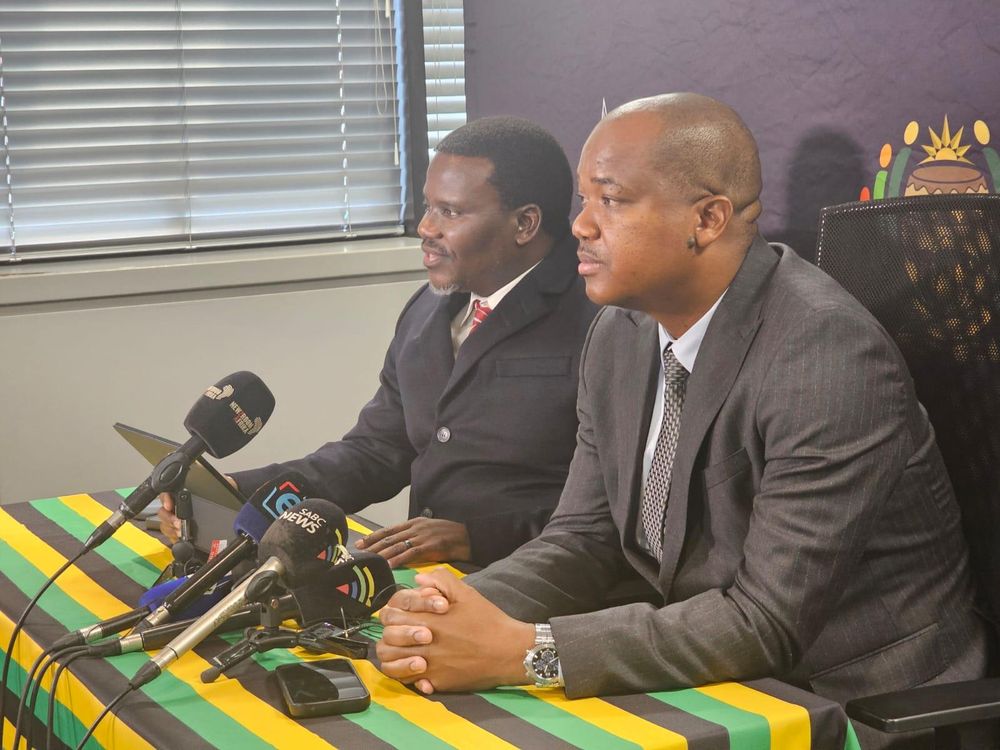
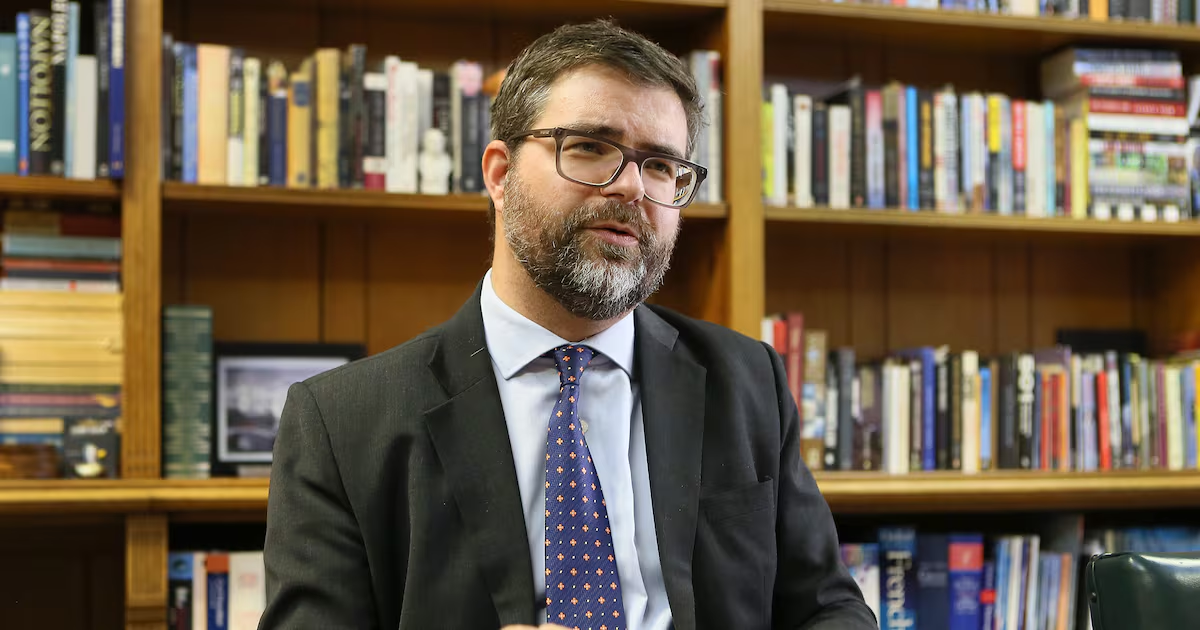
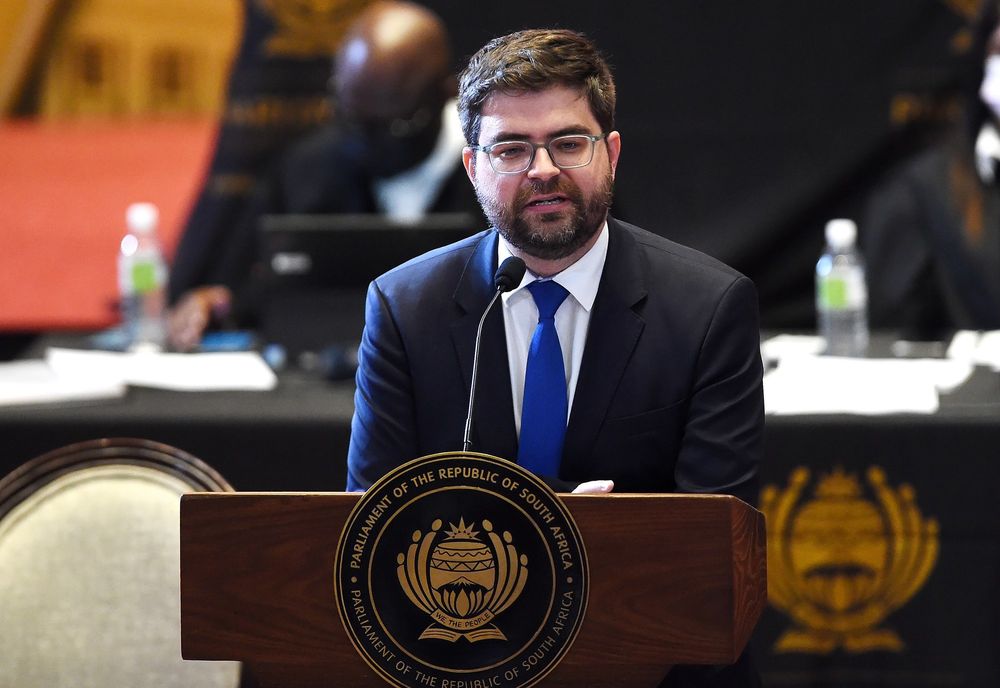
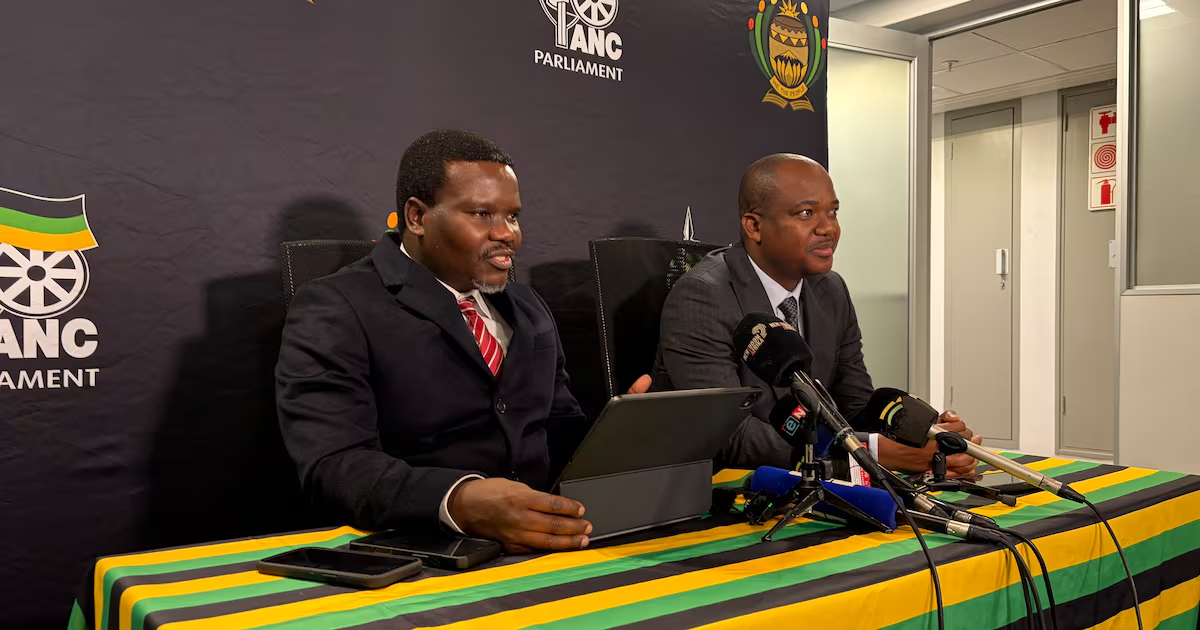
The ANC chief whip in the national assembly, Mdumiseni Ntuli, has confirmed political party study groups will continue operating, dismissing a Public Service Commission’s (PSC) advisory note as insufficient grounds to alter a practice the party considers a legitimate and long-standing parliamentary co-ordination mechanism.The PSC issued its guidance on June 5 after receiving complaints that public servants were being drawn into informal party caucus structures where departmental information risks being discussed outside formal parliamentary processes. The commission warned such participation compromises the constitutional principles of impartiality and transparency that govern public administration.The advisory note placed responsibility squarely on directors-general and heads of department to prevent informal political influence over their administrations. But without a binding legislative framework, and with the governing party signalling that business continues as usual, those officials now sit in the uncomfortable space between constitutional obligation and political expectation.“The PSC notes that political parties are constitutionally entitled to establish internal caucus and study group mechanisms for political co-ordination and legislative preparation, concerns arise where public servants participate in such fora outside formal, transparent and accountable institutional processes. Accordingly, the view of the PSC is that such participation may create governance and ethical risks that undermine the constitutional values and principles governing public administration, including impartiality, accountability, transparency, fairness and professional independence,” the PSC said in a statement. The PSC has indicated it will monitor the political-administrative interface through targeted assessments, oversight inspections and integrity monitoring. Whether that oversight produces consequences remains to be seen. The PSC, drawing on sections 195, 196, and 197 of the constitution, argues that even the appearance of political alignment in the public service is damaging enough to warrant formal guidance. It does not require actual wrongdoing to have occurred.“We are currently looking at it and its implications. However, I am of the view that the premise was, in the first place, wrong because it was based on allegations or deviation as opposed to reality,” Ntuli said. Public works & infrastructure minister Dean Macpherson after receiving tip-offs about the practice, issued a directive in 2024 prohibiting officials from attending study groups and reissued that directive in May 2026. That a directive needed to be reissued suggests the first one was not enough. “Publicly available information, including official ministerial diaries, parliamentary schedules and departmental records, demonstrates that these study groups not only exist but have become a regular feature of the interface between the executive and the ANC’s parliamentary caucus,” UDM leader and deputy minister of defence Bantu Holomisa said. “Senior members of the ANC and several cabinet ministers sought to dismiss these concerns, insisting that such study groups either did not exist or that they were benign administrative engagements.”