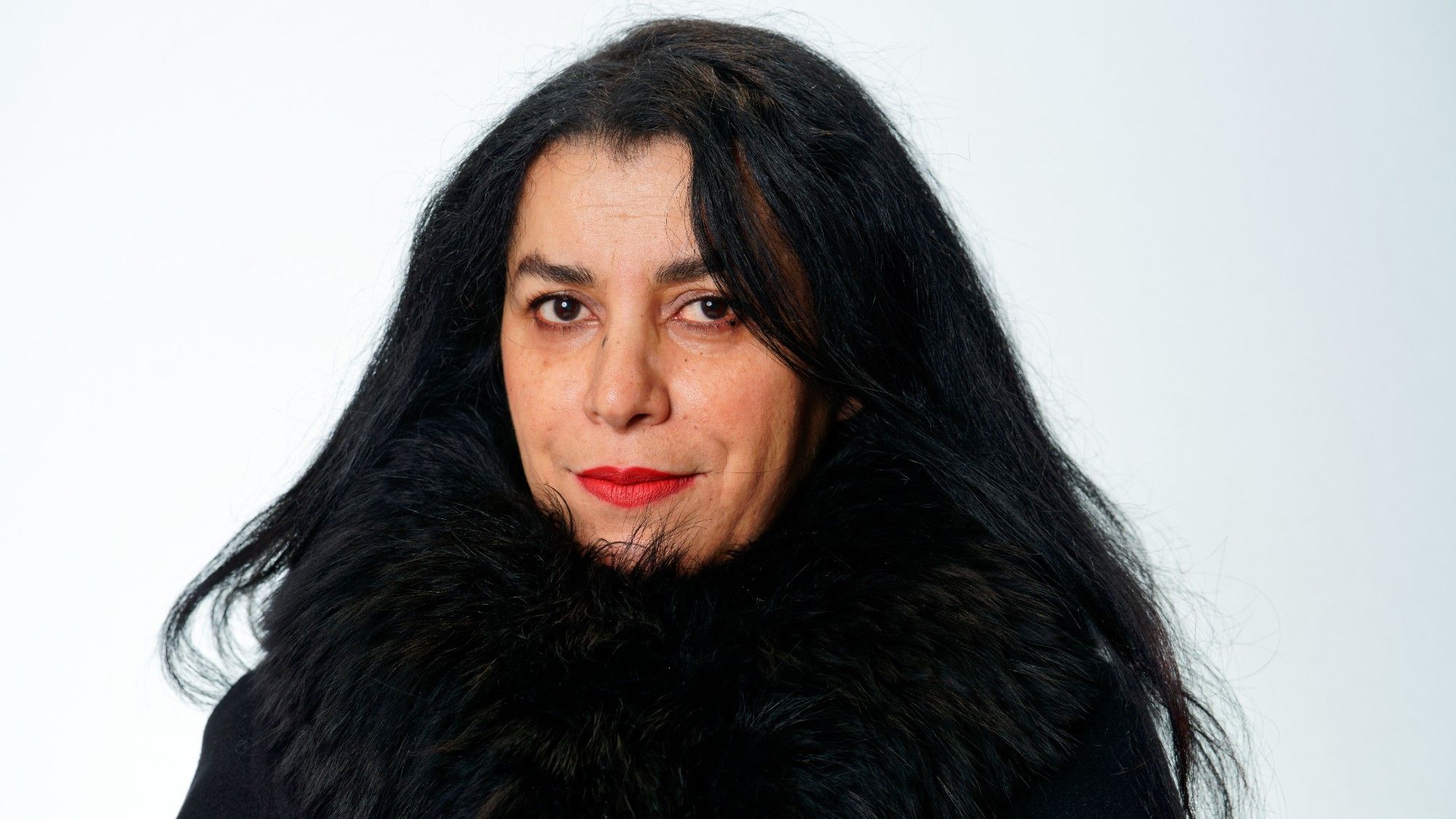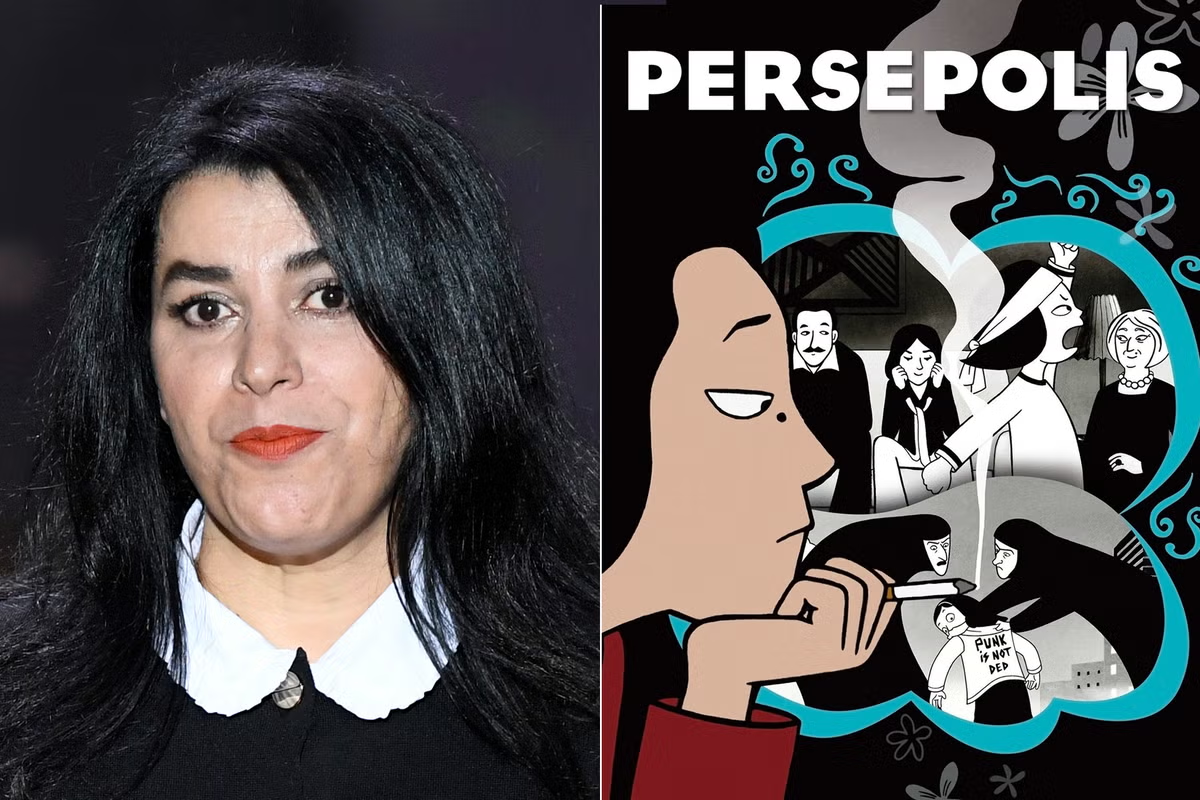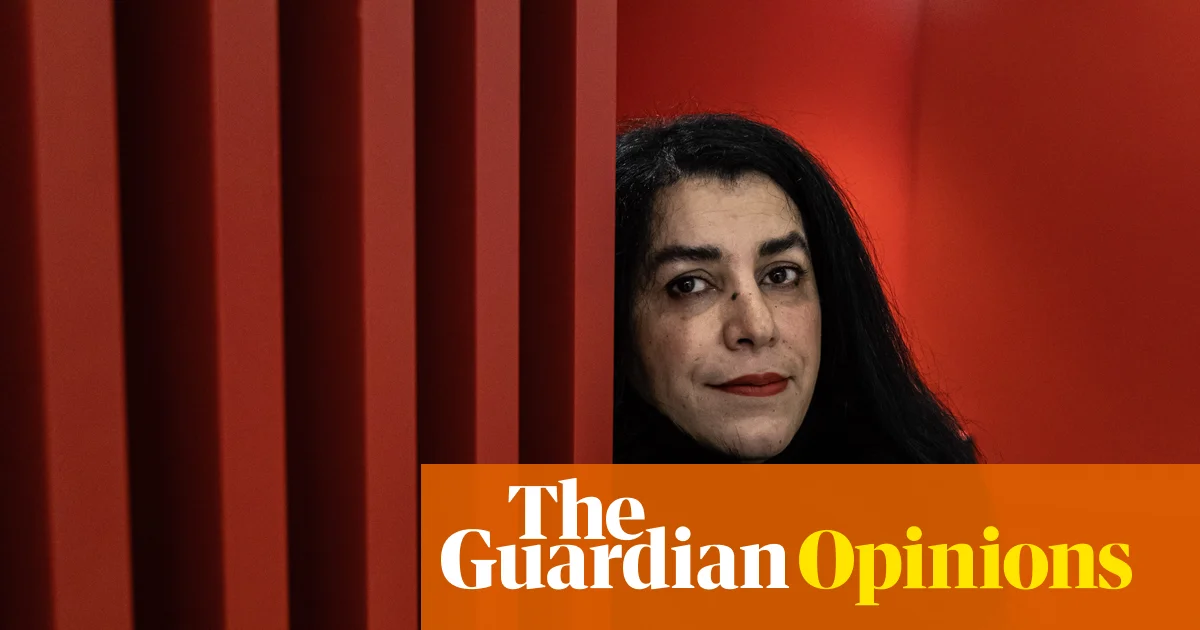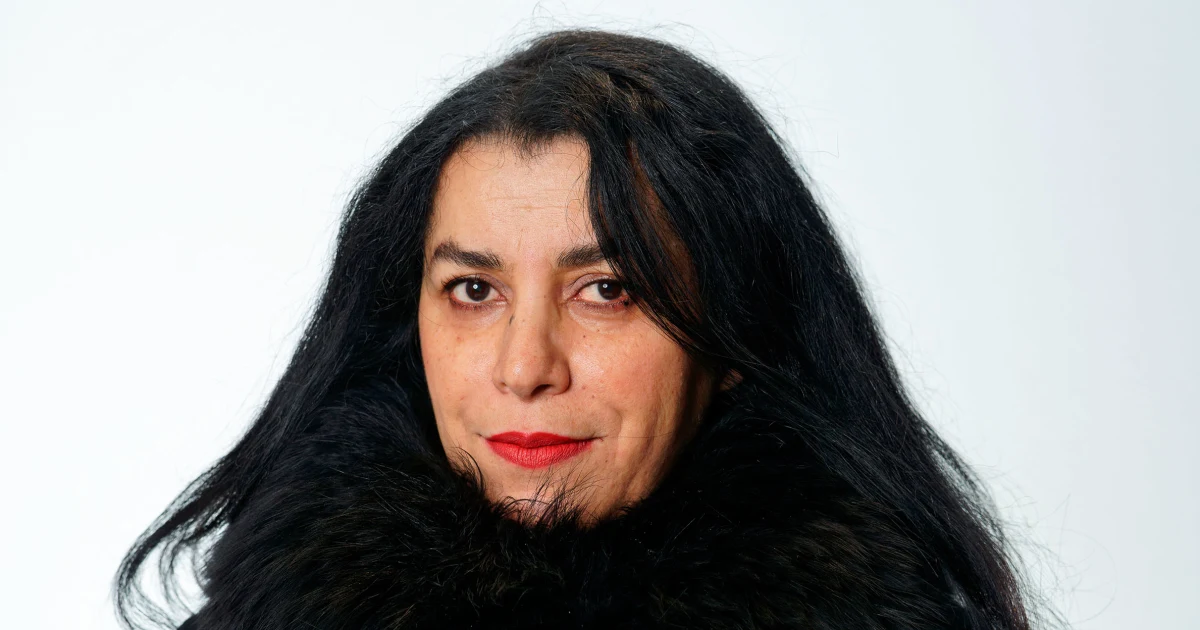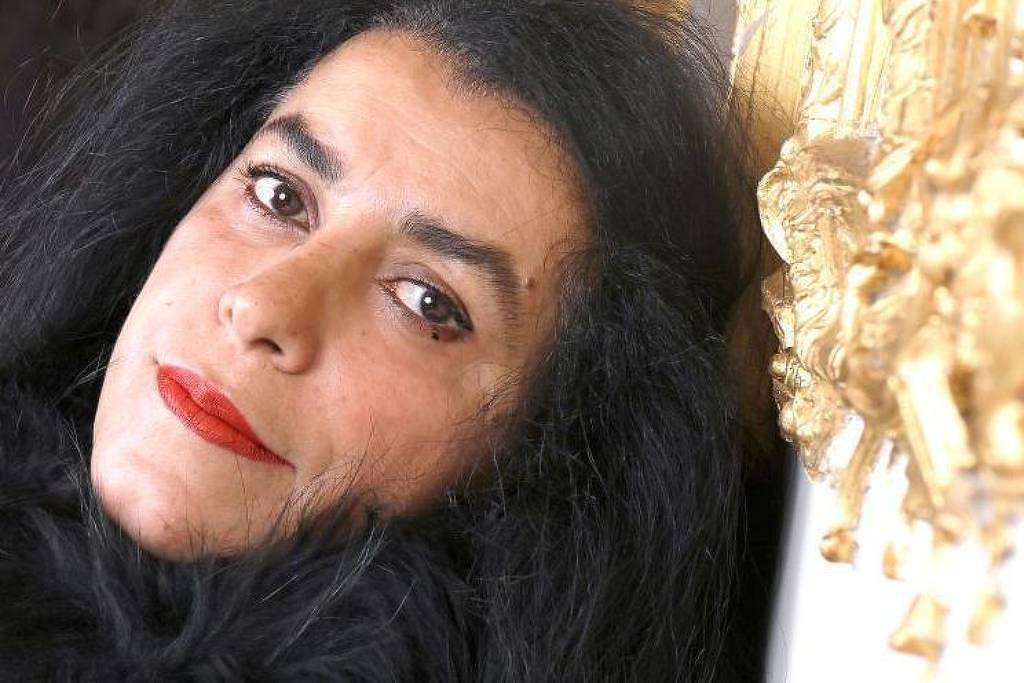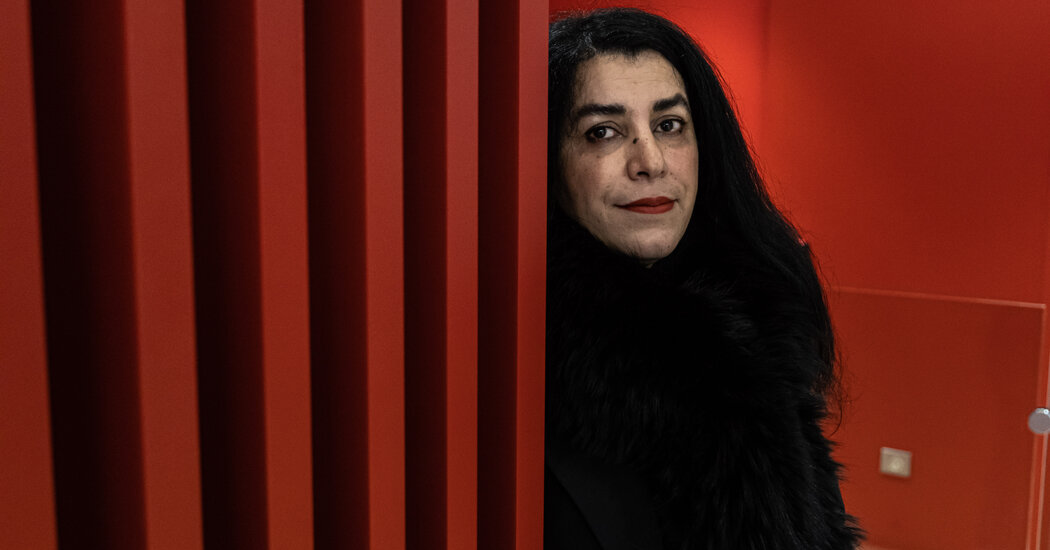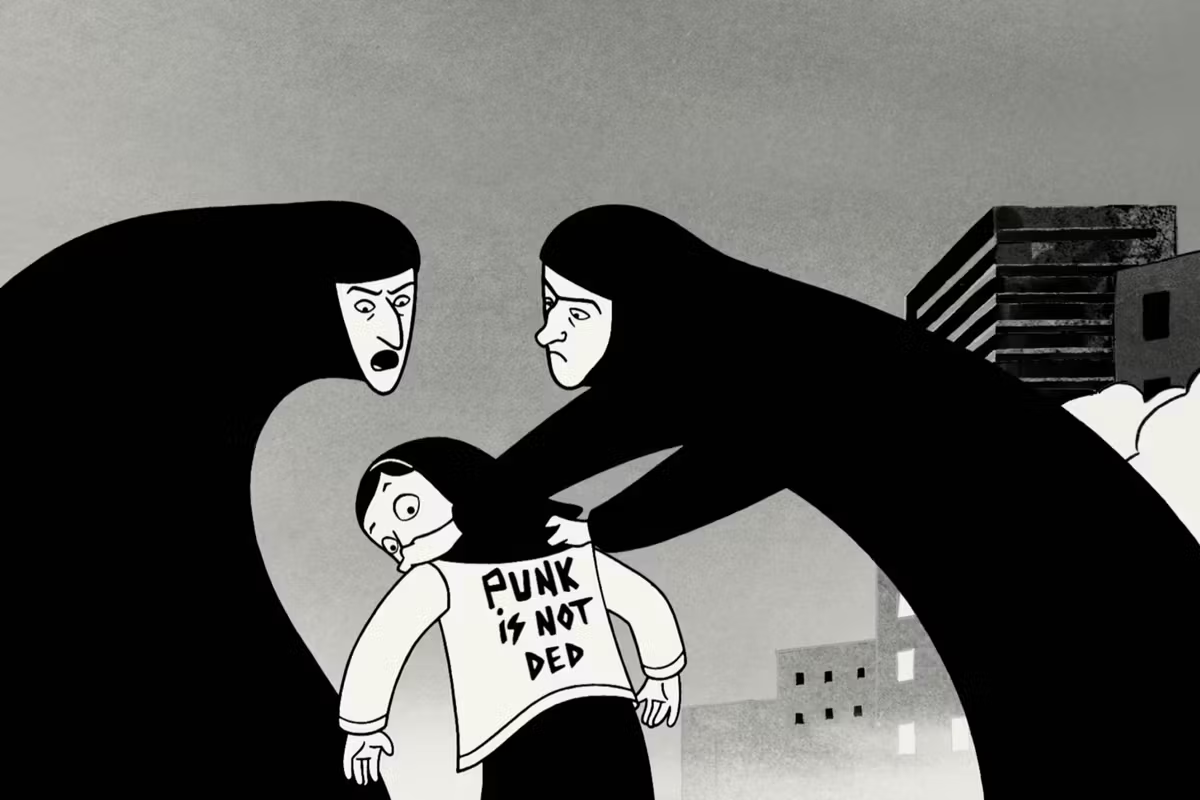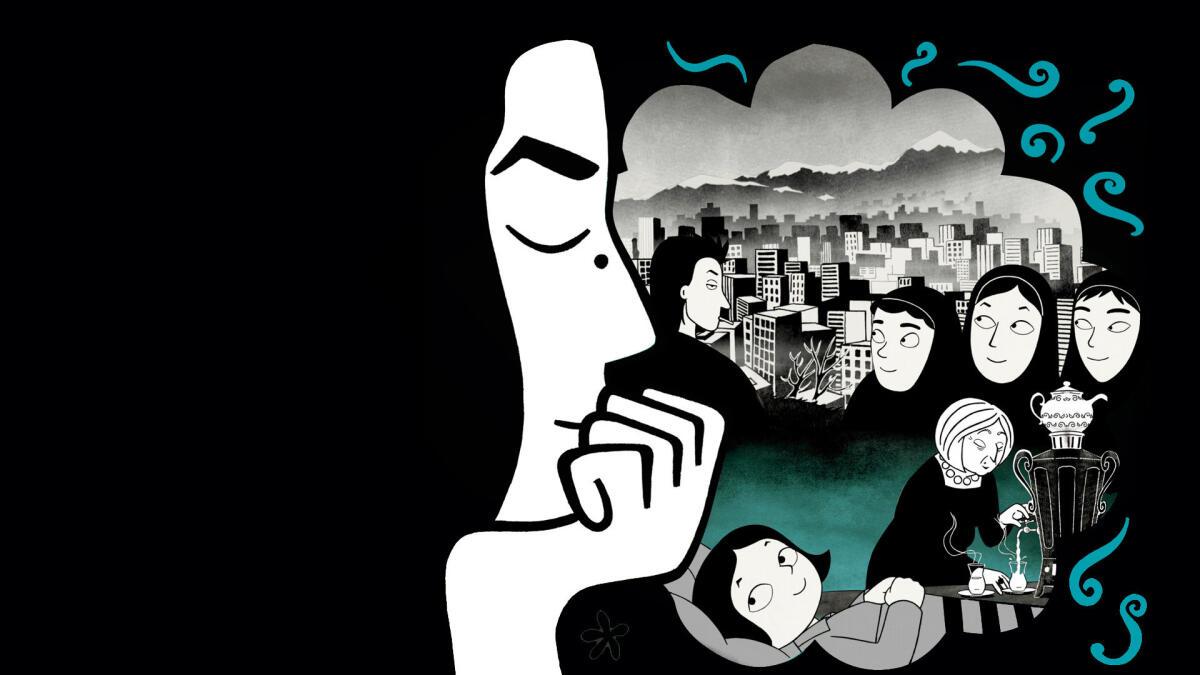
A little girl walks through the crowded streets of Tehran clutching money for a goldfish.A boy runs across dusty villages searching for his friend’s notebook before school begins the next morning.A brother and sister take turns wearing the same pair of shoes.A child watches a revolution arrive at her doorstep.These are among the most unforgettable images in Iranian cinema. Around these little details, some of Iran’s greatest filmmakers have built entire worlds. Revolutions rumble in the distance, poverty presses against the edges of the frame, governments rise and fall, ideologies harden, history changes course, and somewhere in the middle of it all, a child is watching.The passing of Marjane Satrapi, writer of Persepolis, invites a return not only to her celebrated graphic memoir but also to one of the most distinctive traditions in modern storytelling where Iranian artistes have chosen to place children at the centre of their narratives. From Abbas Kiarostami’s wandering schoolboys in Where Is The Friend’s House? and Jafar Panahi’s determined young protagonist in The White Balloon to Majid Majidi’s children navigating hardship in Children of Heaven and Mohsen Makhmalbaf’s The President or A Moment of Innocence, the child recurs with remarkable persistence.
Marjane Satrapi, ‘Persepolis’ and Panahi: Why Iranian cinema sees history through a child’s eyes
In the works of Marjane Satrapi, Jafar Panahi, Abbas Kiarostami and Mohsen Makhmalbaf, children are more than protagonists. They are the eyes through which Iran sees itself
1,378 words~6 min read