WARPTECHNEWS · LAB
HomeAIBusinessTechArchive
WARPTECH LAB NEWS

Warptech Lab News aggrega le notizie più rilevanti da oltre 700 fonti internazionali, con classificazione AI, TL;DR sintetici e timeline cluster su singole storie.

Navigazione

  • Home
  • Archivio
  • Editor's Brief
  • Cerca
  • Il tuo account
  • Newsletter tech/AI

Informazioni legali

  • Privacy Policy
  • Termini di servizio
  • Cookie Policy

© 2026 Sparktech S.R.L. — Tutti i diritti riservati. Sito gestito e manutenuto da Sparktech S.R.L.

Sede legale: Corso Libertà 55, 13100 Vercelli (VC), Italia · P.IVA / C.F. 02835910023 · Contatti: admin@warptechlab.com

Home
Storia in 2 fonti

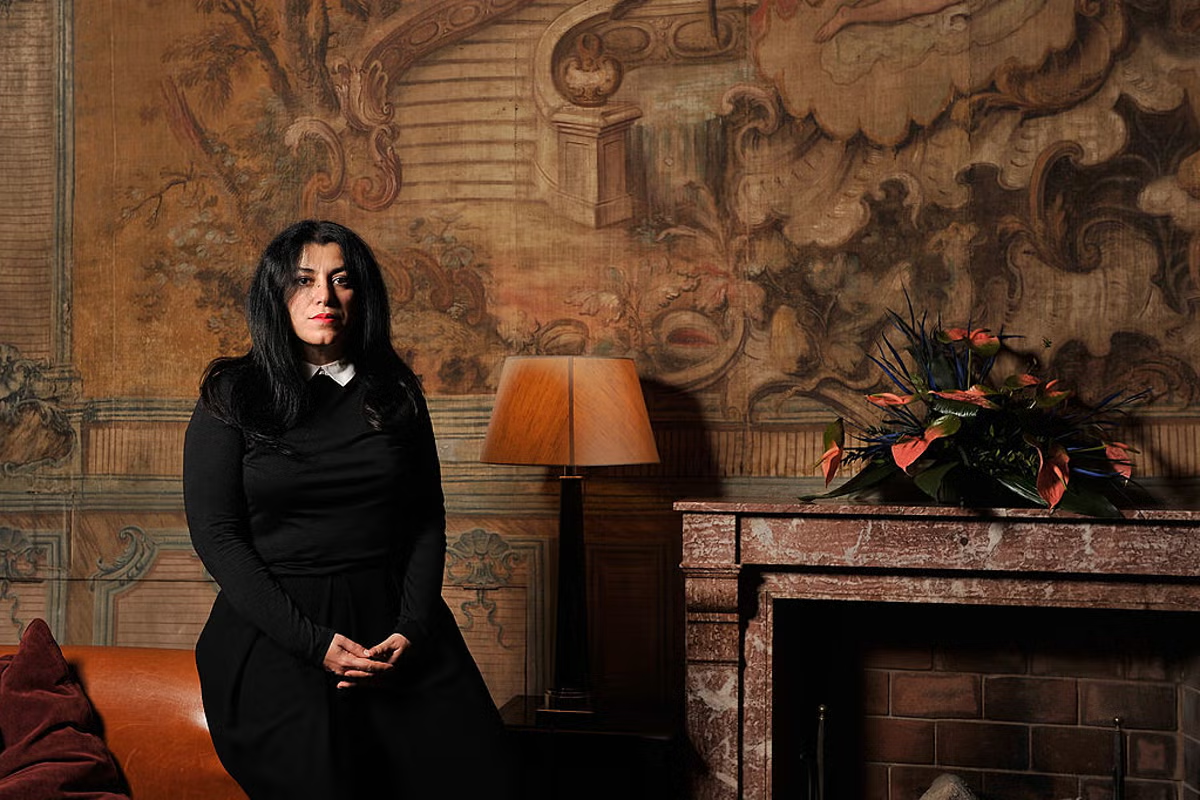
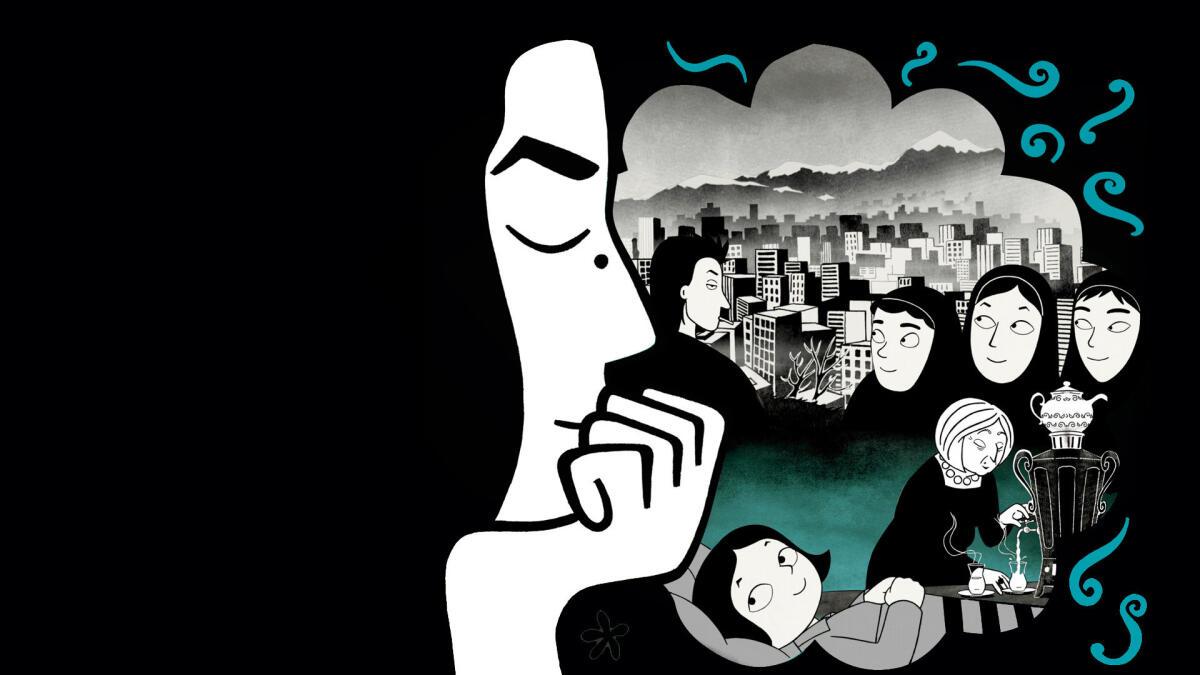
Marjane Satrapi, ‘Persepolis’ and Panahi: Why Iranian cinema sees history through a child’s eyes

In the works of Marjane Satrapi, Jafar Panahi, Abbas Kiarostami and Mohsen Makhmalbaf, children are more than protagonists. They are the eyes through which Iran sees itself

Raccontata daindependent.co.ukthehindu.com

Confronto fonti

2 prospettive sulla stessa storia
AI · summaries
thehindu.comStai leggendo12 g fa

Marjane Satrapi, ‘Persepolis’ and Panahi: Why Iranian cinema sees history through a child’s eyes

In the works of Marjane Satrapi, Jafar Panahi, Abbas Kiarostami and Mohsen Makhmalbaf, children are more than protagonists. They are the eyes through which Iran sees itself

originale
independent.co.uk13 g fa

Marjane Satrapi’s Persepolis reshaped how the world sees Iran

First published in 2000, Persepolis created a transformative shift in comics, memoir and political storytelling

Leggi questa versione → originale

Timeline cronologica

  1. venerdì 5 giugno 2026·independent.co.uk

    Marjane Satrapi’s Persepolis reshaped how the world sees Iran

    First published in 2000, Persepolis created a transformative shift in comics, memoir and political storytelling

  2. sabato 6 giugno 2026·thehindu.com

    Marjane Satrapi, ‘Persepolis’ and Panahi: Why Iranian cinema sees history through a child’s eyes

    In the works of Marjane Satrapi, Jafar Panahi, Abbas Kiarostami and Mohsen Makhmalbaf, children are more than protagonists. They are the eyes through which Iran sees itself