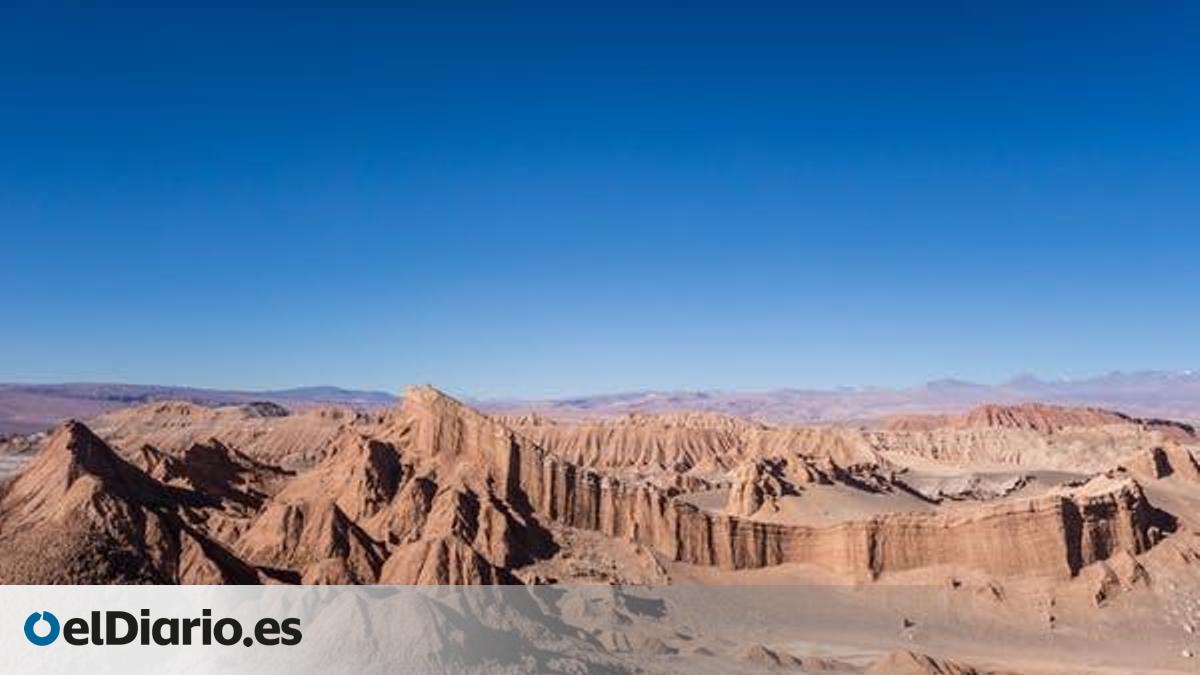
Deserts cover roughly one-third of Earth's land surface, yet they remain among the least understood — and most underestimated — environments on the planet. For most people, "desert" conjures a single image: endless sand dunes baking under a merciless sun. The reality is far more varied. There are cold deserts blanketed in snow, coastal deserts swathed in fog, rocky plateaus that see no rain for decades, and painted badlands where erosion has sculpted the earth into formations that seem to belong on another planet.
What defines a desert is not heat or sand, but aridity — a place where evaporation consistently outpaces precipitation. By that definition, Antarctica is the largest desert on Earth. The Sahara, which most people picture when they hear the word, is actually the largest hot desert, but even it is mostly gravel and rock, not the rolling dunes of popular imagination. Fewer than 25% of the Sahara's surface is covered in sand.
Deserts are also, paradoxically, among the most biologically inventive places on Earth. The plants and animals that survive in them have evolved adaptations that represent some of the most elegant engineering in nature — from the fog-harvesting scales of the Namib beetle to the 1,000-year lifespan of the Welwitschia plant. Indigenous communities in desert regions developed sophisticated ways of reading water, weather, and terrain over thousands of years, and their knowledge systems are as much a part of these landscapes as the geology itself.