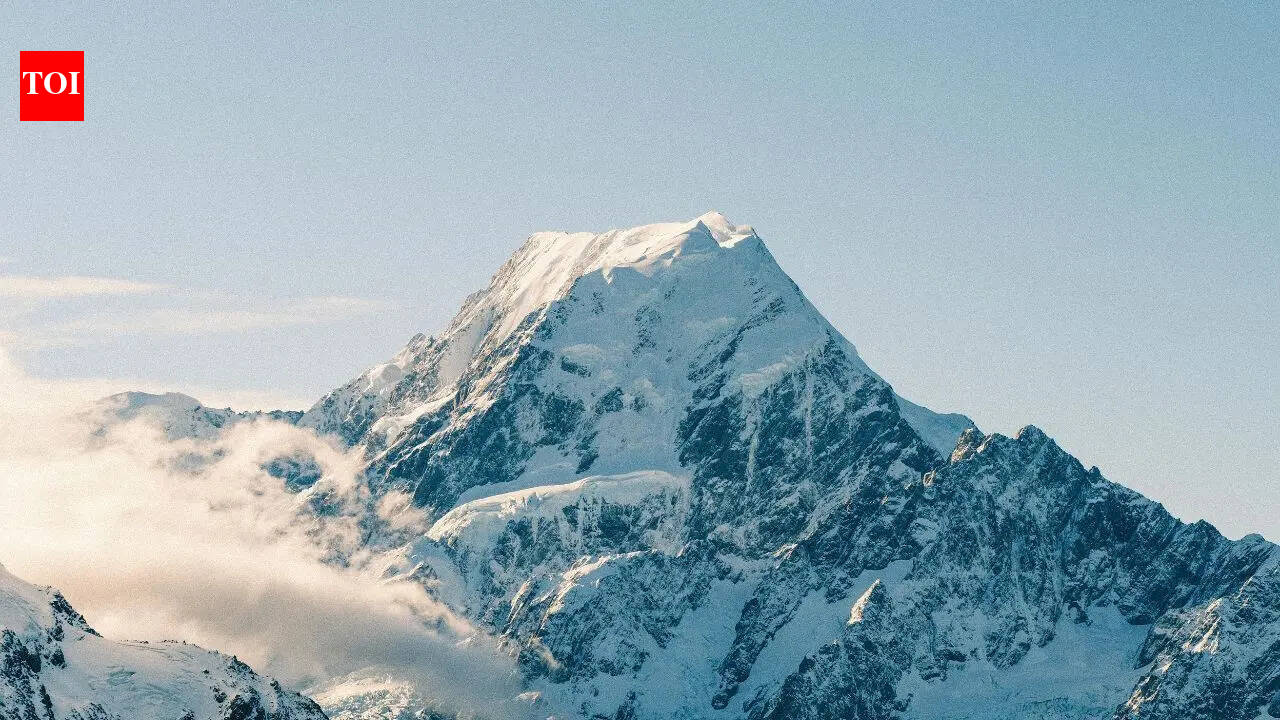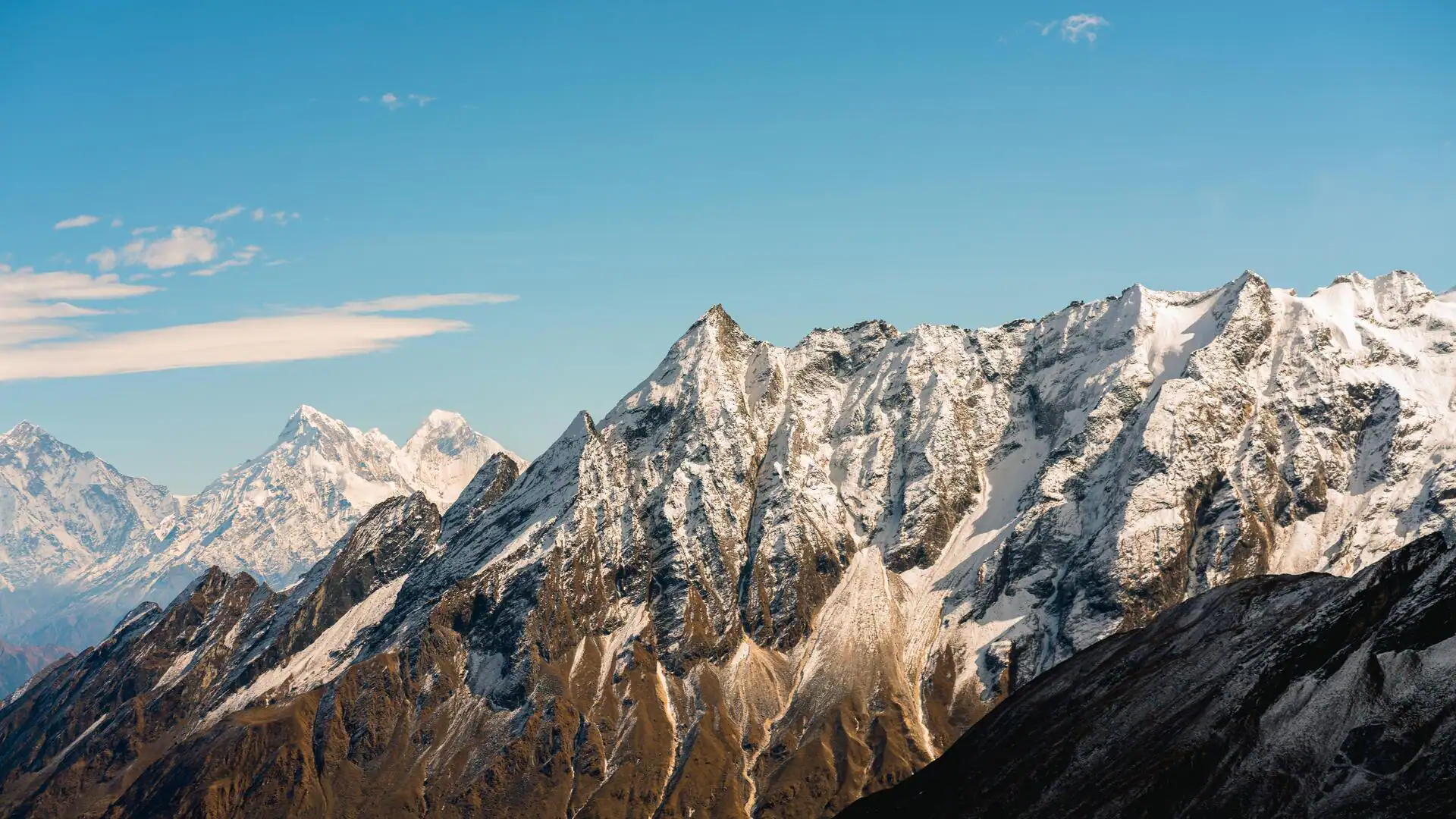
Mountains shape the planet's climate, define national borders, and anchor cultures that have evolved over millennia in their shadows. They are among the most visited natural environments on Earth, yet most people encounter only a fraction of what they offer. A peak seen from a car window and a peak climbed on foot are not the same mountain. The range of ways to engage with high-altitude terrain — trekking, skiing, cultural immersion, wildlife watching, road trips, river journeys — means that almost any traveler can find a meaningful entry point, regardless of fitness level or experience.
The 20 ranges in this list were chosen for geographic diversity, cultural significance, and the depth of experience available to visitors. They span six continents and include both the world's highest summits and ranges that have been overlooked in favor of more famous neighbors. Some are defined by extreme altitude; others by their ecological richness, their role in human history, or the sheer variety of terrain they contain.
A few principles guided the selection. First, the best way to experience a mountain range is rarely the most obvious one. The Himalayas are not just for high-altitude trekkers — the foothills contain some of the world's most biodiverse forests and oldest pilgrimage routes. The Rockies are not just for skiers — their canyon systems, hot springs, and Indigenous heritage sites reward slower travel. Second, infrastructure matters. Some of the world's most dramatic ranges are effectively inaccessible without significant logistical investment. Where that is the case, this guide explains the realistic options.