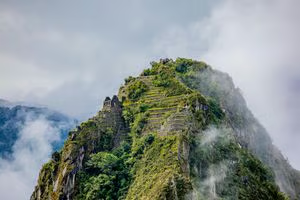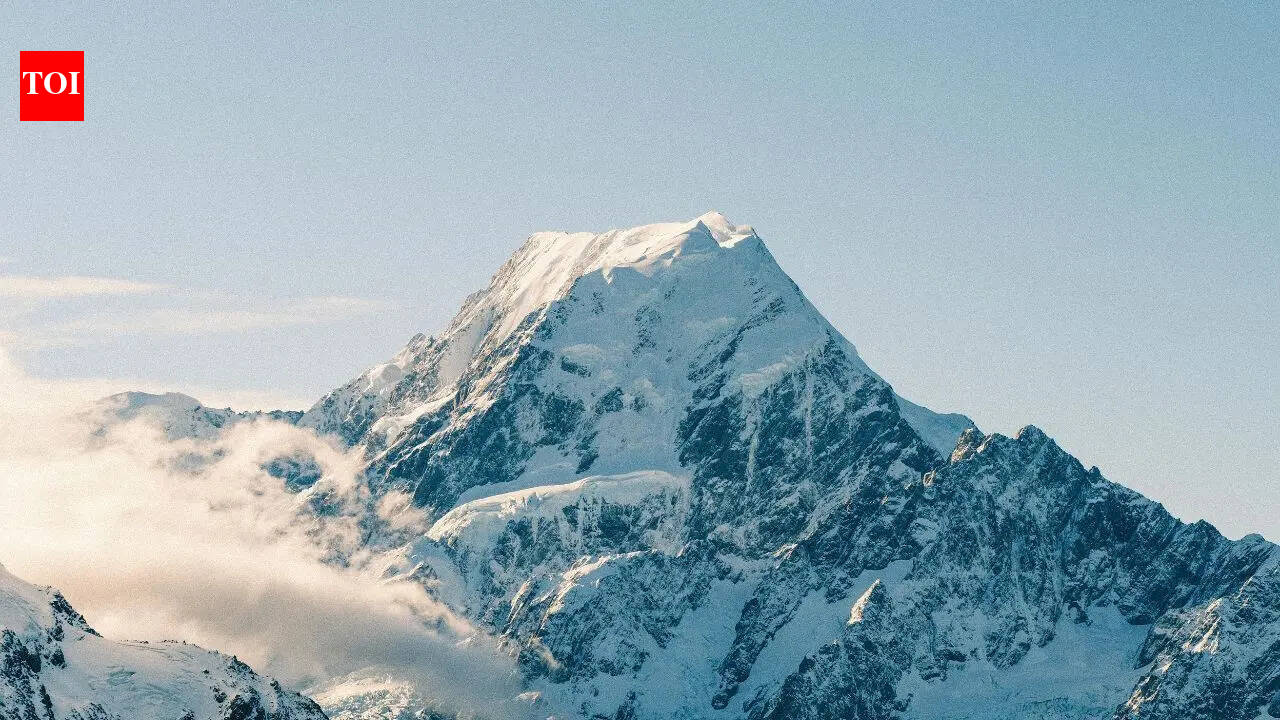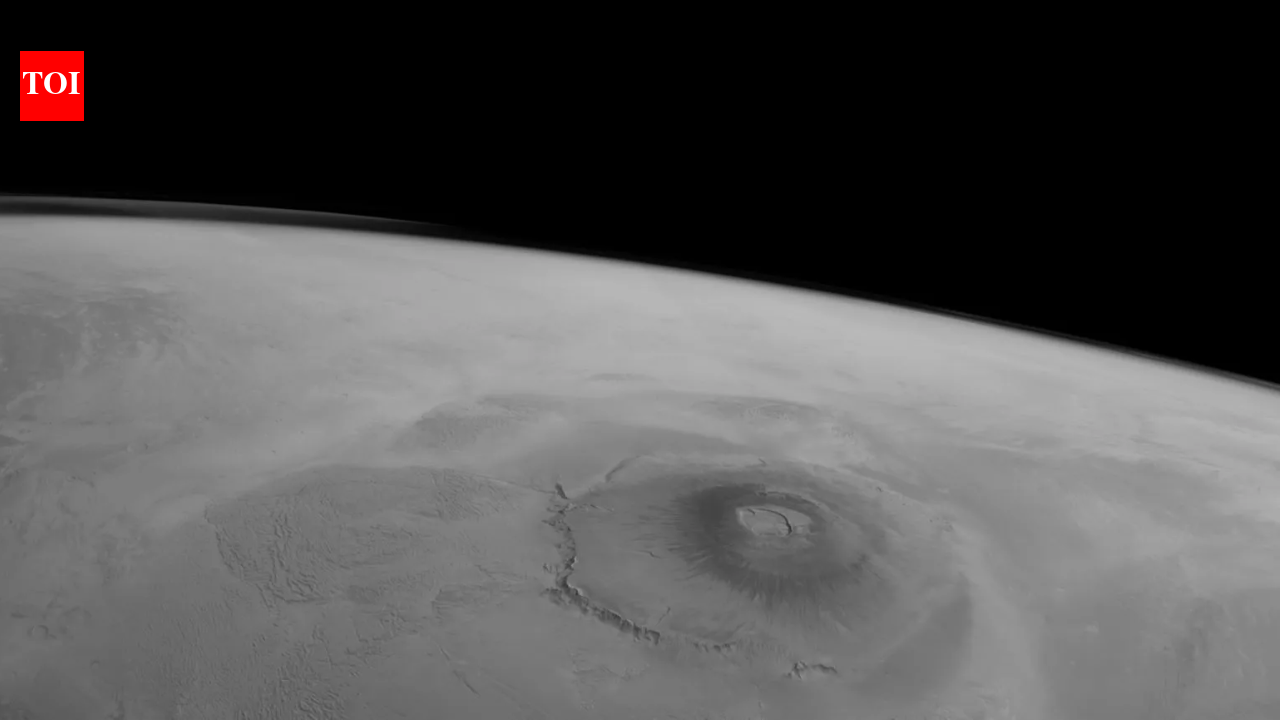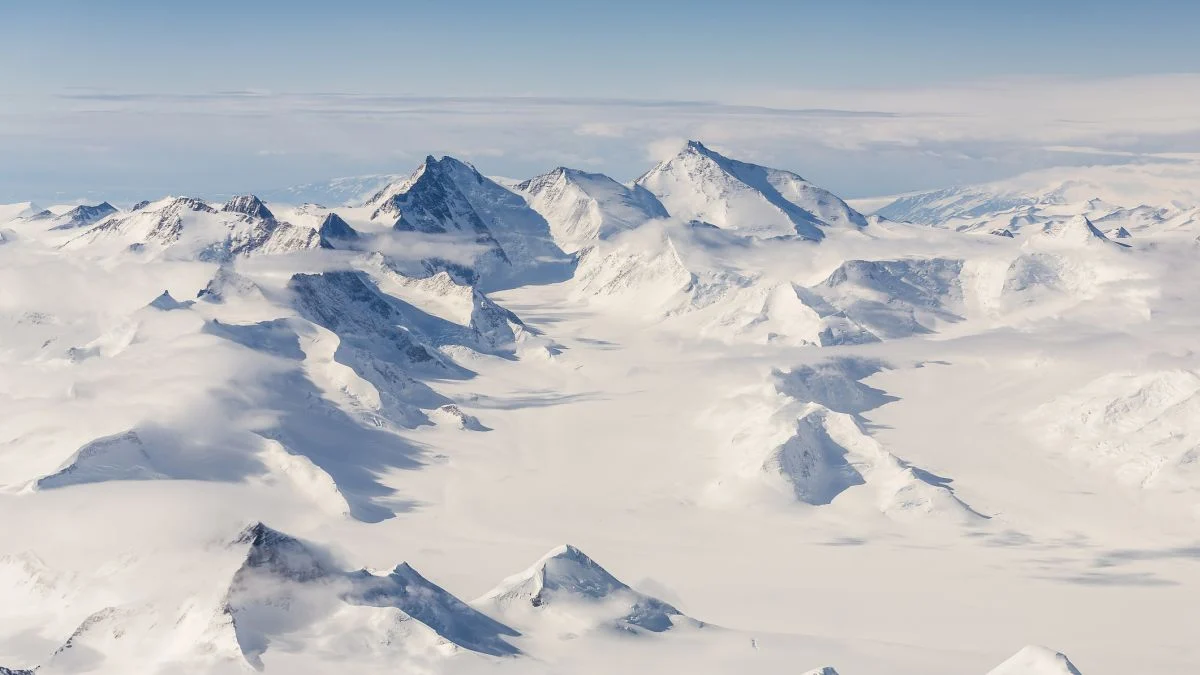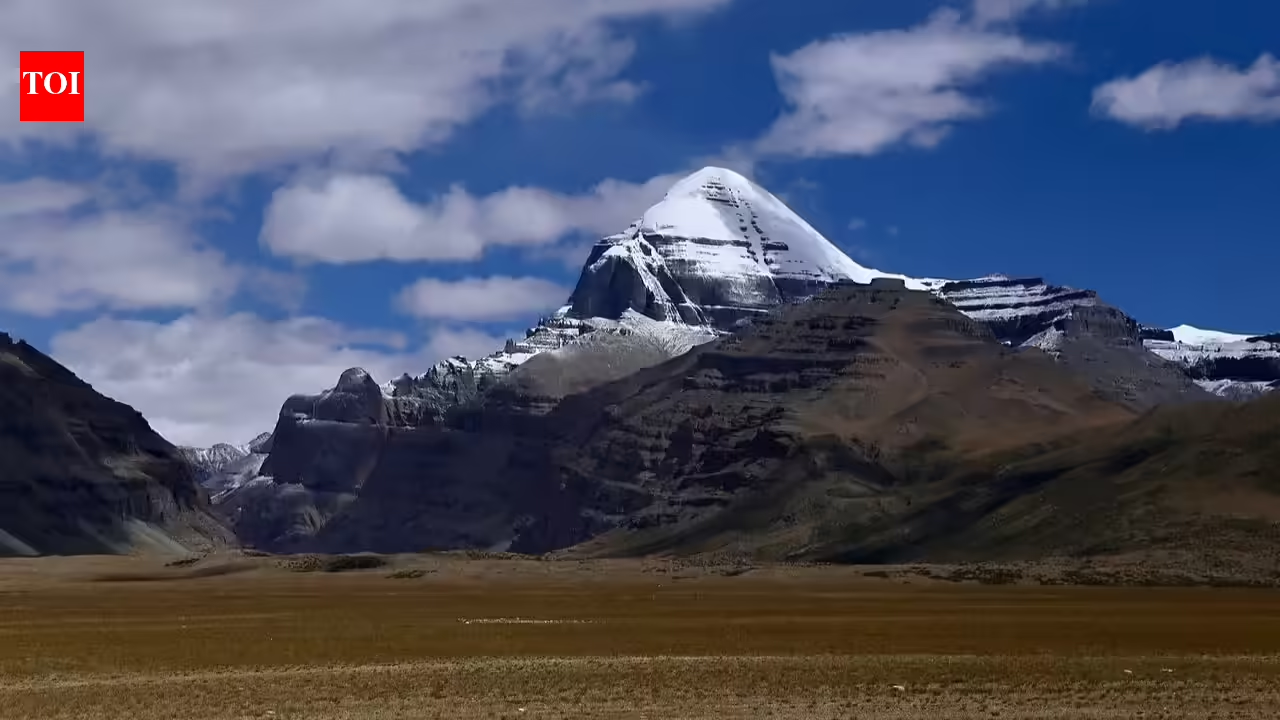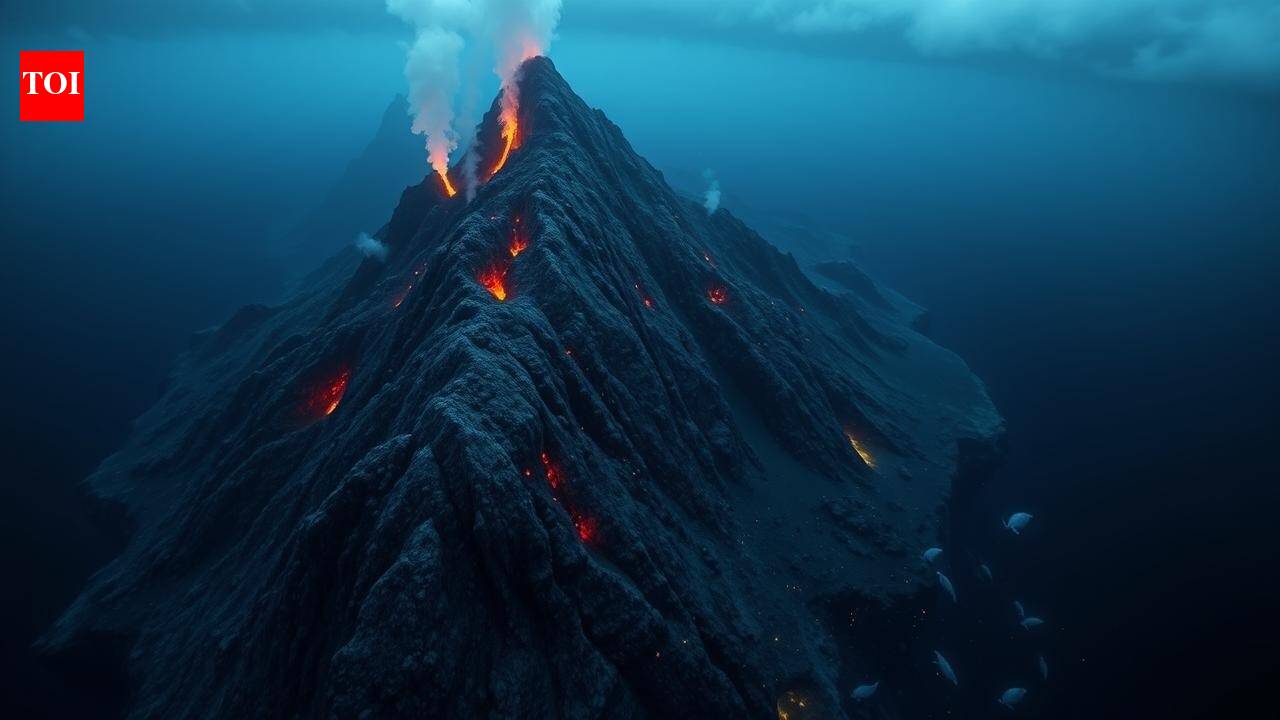
Earth's longest mountain range is not on land but beneath the ocean. The Mid-Ocean Ridge System stretches an incredible 65,000 kilometers, far surpassing any terrestrial range.Thinking of the magnificent mountain ranges around the world, the image that instantly comes to mind is the stereotypical postcard of the snowy peaks rising into the clouds. One imagines the rugged mountains of the Rockies, the famous towering heights of the Himalayas, or the majestic Andes running across the backbone of South America. Yet we have been tricked by our vision.If you really want to know which the longest range of mountains on Earth is, you would have to go past the land and venture into the deep ocean floor. The truth is that when it comes to mountain ranges, the longest one by far is an unseen system of underwater mountains that runs all around the planet as if it were stitching together the seams of a baseball. By redefining the measure of the size of mountain ranges based on their length rather than height, all the well-known landmarks of Earth are stripped of their bragging rights.The oceanic seam is sewing up the planetWhen it comes to the biggest geological feature on Earth, it would be the Mid-Ocean Ridge System. Spanning the incredible distance of 65,000 kilometres, this undersea mountain range cuts right through the Pacific, Atlantic, and Indian Oceans.According to an official planetary overview provided by the National Oceanic and Atmospheric Administration, this system is formed by the movement of tectonic plates pulling apart at spreading centres. As the Earth's crust splits open, magma rises from deep within the mantle, cooling as it hits the frigid seawater to continuously build a chain of volcanic mountains.As this natural wonder is unseen without the help of sophisticated sonar mapping technology, it does not receive as much recognition in mainstream media as it warrants. If we take into consideration only those parts which rise above the water line, the ranking would look very different indeed. The following ranking is based on actual physical dimensions.1. The Mid-Ocean Ridge SystemThe total length of this continuous system is a staggering 65,000 kilometres. Not only is this feature an important part of our planet's landscape, but it is a dynamic volcanic chain which generates new oceanic crust each and every day.2. The Andes MountainsTaking the second spot overall, but ranking as the longest continuous chain on dry land, the Andes run for about 7,000 kilometres along the western edge of South America. They define the climate, culture, and geography of an entire continent.3. The Rocky MountainsStretching for roughly 4,800 kilometres across western North America, the Rockies hold a dominant position in the northern hemisphere. Their vast expanse of rugged peaks forms the continental divide, splitting the waters that flow to different oceans.4. The Great Dividing RangeAustralia’s main highland spine takes a surprising fourth place, spanning about 3,500 kilometres down the eastern coast. While these peaks are much older and more eroded than the younger, jagged ranges of the world, their sheer length outstrips many more famous rivals.5. The Transantarctic MountainsSpanning the Antarctic continent right across its middle section, the Transantarctic Mountains are a 3,500-kilometre-long mountain range that separates East and West Antarctica from each other. They lie mostly hidden under thick layers of ice.Famous for holding the tallest peaks on Earth, the Himalayas actually rank much lower when it comes to pure length, stretching for about 2,400 kilometres across South Asia. Image Credits: Wikimedia Commons6. The HimalayasFamous for holding the tallest peaks on Earth, the Himalayas actually rank much lower when it comes to pure length, stretching for about 2,400 kilometres across South Asia. They prove that height and length are two very different concepts in geology.7. The Appalachian RangeCompleting the list of top seven at around 2,400 kilometres, the old Appalachians stretch throughout eastern North America. While they may not be as high today as some of the other ranges, they certainly make up for it by being home to a fascinating geology story, as they are all that remains from an immense mountain range.Redefining the world's topography boundariesConsidering the undersea part of the system when compiling the top mountain ranges brings a new perspective on Earth’s geography. The fact is, our biggest natural wonders may very well be entirely invisible to us, lying beneath the ocean's surface.However, measuring these giants with absolute precision remains a significant challenge for scientists. Research documents maintained by the National Oceanic and Atmospheric Administration note that calculating the exact lengths of these underwater systems can vary depending on how researchers define where a system starts and stops. On land, mountains frequently blur into foothills or merge into neighbouring plateaus. Underwater, the main ridge system branches out into smaller fracture zones, making it difficult to draw a single, definitive boundary line.Instead of ignoring this lack of precision and clarity, contemporary geologists welcome such fuzzy terms into their lexicon because they realise these limits define not individual features standing alone, but rather an interactive system of natural phenomena reflecting the history of our constantly changing Earth. And in reality, our Earth is larger than its surface. We will never stop learning about the ocean bottom.
The 7 longest mountain ranges ranked: Why the true giant is hidden underwater
Thinking of the magnificent mountain ranges around the world, the image that instantly comes to mind is the stereotypical postcard of the snowy peaks rising into the clouds. One imagines the rugged mountains of the Rockies, the famous towering heights of the Himalayas, or the majestic Andes running across the backbone of South America.
861 words~4 min read