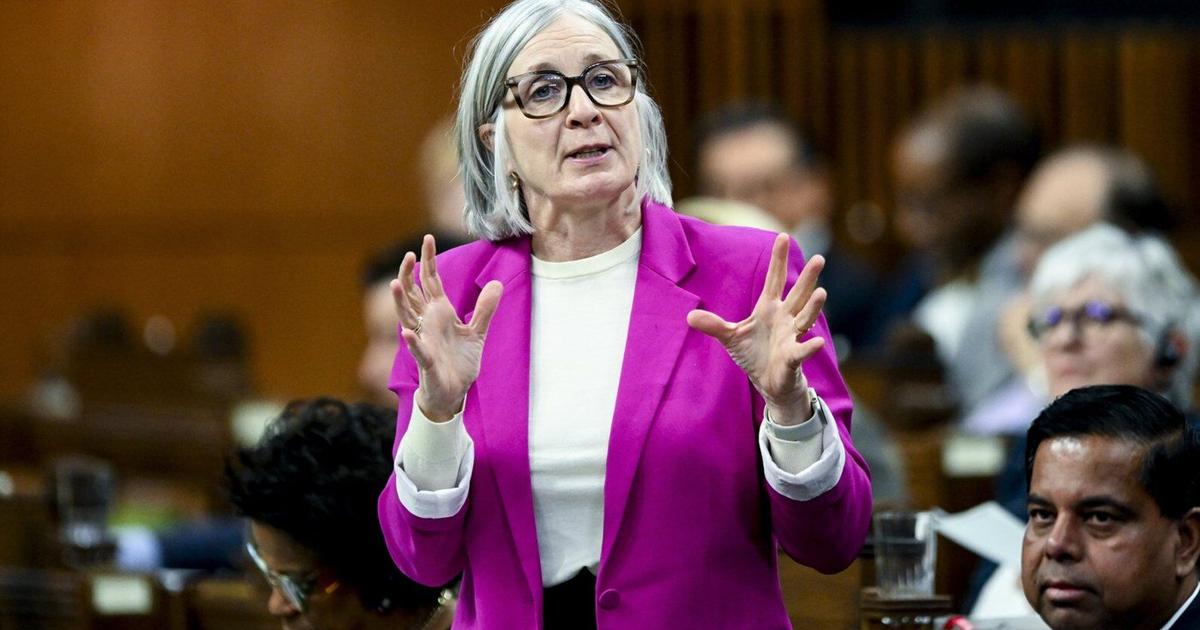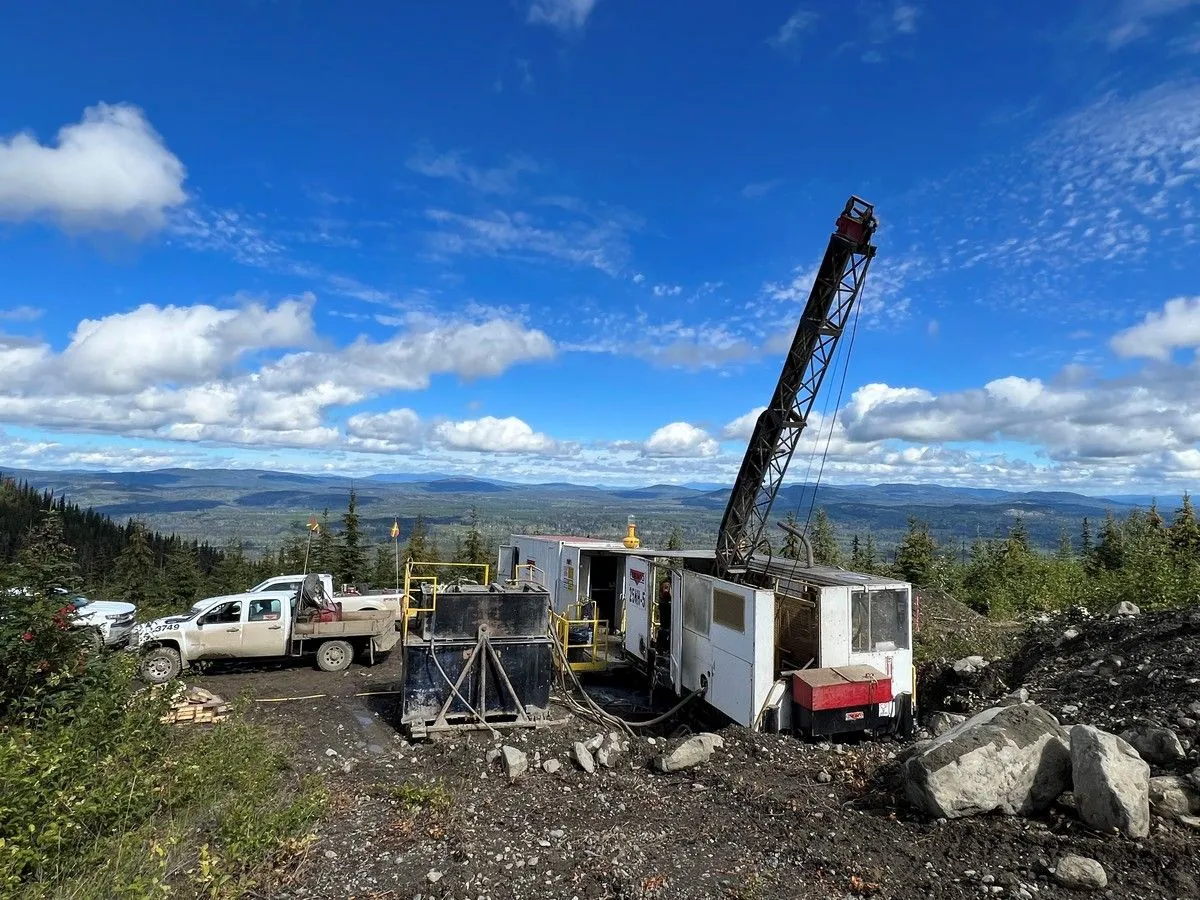
Skip to Content News Archives Economy Energy Oil & Gas Renewables Electric Vehicles Mining Commodities Agriculture Real Estate Mortgages Mortgage Rates Finance Banking Insurance Fintech Cryptocurrency Work Wealth Smart Money Wealth Management Investor Personal Finance Family Finance Retirement Taxes High Net Worth FP Comment Executive Women Puzzmo Newsletters Financial Times Business Essentials More Innovation Information Technology FP500 Podcasts Small Business Lives Told Tails Told Shopping Financial Post Store Obituaries Place a Notice Advertising Advertising With Us Advertising Solutions Postmedia Ad Manager Sponsorship Requests Classifieds Place a Classifieds ad Working Profile Settings My Subscriptions Saved Articles My Offers Newsletters Customer Service FAQ News Economy Energy Mining Real Estate Finance Work Wealth Investor FP Comment Executive Women Puzzmo Newsletters Financial Times Business Essentials HomeMiningNewsCanada’s next mining challenge isn’t minerals – it’s workersIndustry projections suggest Canada’s mining sector will require roughly 250,000 new workers over the next decadeLast updated 3 hours ago You can save this article by registering for free here. Or sign-in if you have an account.An exploration project north of Fort St. James, B.C., examines the potential for a nickel and cobalt mine, two so-called critical minerals in the transition to lower-carbon energy that Canada is keen to produce. Photo by FPX NickelNear a place famous for chasing buried riches, Ottawa has unveiled a new alliance aimed at securing a different kind of fortune: skilled workers to tackle looming labour shortages in the mining industry. Subscribe now to read the latest news in your city and across Canada.Exclusive articles from Barbara Shecter, Joe O'Connor, Gabriel Friedman, and others.Daily content from Financial Times, the world's leading global business publication.Unlimited online access to read articles from Financial Post, National Post and 15 news sites across Canada with one account.National Post ePaper, an electronic replica of the print edition to view on any device, share and comment on.Daily puzzles, including the New York Times Crossword.Subscribe now to read the latest news in your city and across Canada.Exclusive articles from Barbara Shecter, Joe O'Connor, Gabriel Friedman and others.Daily content from Financial Times, the world's leading global business publication.Unlimited online access to read articles from Financial Post, National Post and 15 news sites across Canada with one account.National Post ePaper, an electronic replica of the print edition to view on any device, share and comment on.Daily puzzles, including the New York Times Crossword.Create an account or sign in to continue with your reading experience.Access articles from across Canada with one account.Share your thoughts and join the conversation in the comments.Enjoy additional articles per month.Get email updates from your favourite authors.Create an account or sign in to continue with your reading experience.Access articles from across Canada with one accountShare your thoughts and join the conversation in the commentsEnjoy additional articles per monthGet email updates from your favourite authorsSign In or Create an AccountorPatty Hajdu, Canada’s minister of jobs and families, announced on Thursday the launch of the Mining and Minerals Workforce Alliance, designed to address the skilled trade gap in the mining sector. Industry projections suggest Canada’s mining sector will require roughly 250,000 new workers over the next decade. Get the latest headlines, breaking news and columns.By signing up you consent to receive the above newsletter from Postmedia Network Inc.A welcome email is on its way. If you don't see it, please check your junk folder.The next issue of Top Stories will soon be in your inbox.We encountered an issue signing you up. Please try again“Labour shortages are one of our most limiting factors,” said Hajdu, the Thunder Bay-Superior North MP who made the announcement at Oak Island Resort in Nova Scotia, located just a short walk from the famed money pit that has drawn treasure hunters for over two centuries. “We are facing an extraordinarily difficult time: the tariff war (and) global economic shock is affecting workers in a variety of different sectors. We need a growing workforce, a workforce that evolves, that’s agile, and that’s comfortable with emerging technology.” Patty Hajdu, the federal minister of jobs and families, speaks at a news conference at Oak Island Resort and Convention Centre on Thursday. Photo by Glenn MacDonald /PostmediaHajdu also noted that many graduates are leaving schools with skills that no longer match rapidly evolving industry needs. “Students find the training that they’ve received is outdated, and the industry is transformed when they arrive,” Hajdu said. “It’s a skill-set mismatch.” The alliance is the first of six sector-specific workforce partnerships established by Ottawa. Hajdu said the five-year, $81-million investment will bring together industry, governments, educators and labour groups to better align training programs with employer needs and address skills gaps in Canada’s mining industry. The six workforce alliances Ottawa plans to establish are in sectors deemed critical to Canada’s economic growth. The targeted industries – mining and minerals, advanced manufacturing, energy and electricity, transportation and supply chains, housing and construction, and the care economy – collectively account for more than one-third of Canada’s GDP and employ about eight million Canadians. “These six alliances are going to identify industry-led solutions and better coordinate the investment that’s being made in the skills development so that workers graduate, complete their courses (and) complete their training with the actual skills that industry needs,” Hajdu said. “Many of the sectors are not nearly as well-coordinated as the mining sector.” Mining contributed $112 billion to Canada’s GDP in 2024 and directly employed approximately 438,000 workers. Mineral production totalled $64 billion last year. Ryan Montpellier, executive director of the Mining Industry Human Resources Council, Kevon Stewart, director of the United Steelworkers, and Patty Hajdu, federal minister of jobs and families. Photo by Glenn MacDonald /PostmediaThe mining alliance will focus on three major challenges identified by the industry: improving perceptions of mining careers among young people, reversing declining enrolment in mining-related post-secondary programs and addressing labour mobility barriers for workers in non-Red Seal occupations such as underground miners, surface miners and drillers. For mining companies, recruiting and retaining skilled workers remains a persistent challenge. “It’s a really competitive workforce environment right now,” said Dustin O’Leary, business development manager for Atlantic operations of St Barbara Ltd., a mining company with prospects in Nova Scotia. “To have support to do that in place is a really good thing.” For a sector expected to play a central role in supplying the minerals needed for Canada’s energy transition, industry leaders say solving the workforce challenge may prove as valuable as any resource buried underground. Last September, Prime Minister Mark Carney’s government announced a series of new workforce support measures aimed at assisting Canadian workers facing sustained pressures from tariffs, skills shortages, supply chain disruptions and rapid technological advancements. Canada produces 60 minerals and metals at 200 mines and thousands of sand and gravel pits and stone quarries, essential to the country’s economic security and growth. Ryan Montpellier, executive director of the Mining Industry Human Resources Council, described the alliance as a critical response to what he called a “perfect storm” of industry growth, workforce retirements, technological change and labour mobility challenges. “No single company can tackle these issues alone,” Montpellier said. “Together, working through the alliance, we can build the talent pipelines needed to sustain this industry for quite some time. “We’re facing some pretty dogged labour market challenges. Canada’s mining and minerals sector is at a pivotal moment. Demand for critical minerals is growing, new technologies are reshaping how resources are extracted, and the need for a skilled, adaptable and inclusive workforce has never been greater. Ryan Montpellier, executive director of the Mining Industry Human Resources Council, speaks at a news conference at Oak Island Resort and Convention Centre on Thursday. Photo by Glenn MacDonald /Postmedia“This alliance will strengthen collaboration, better align training with real labour market needs, support workers through transitions (and) create more inclusive pathways into high-quality, high-paying careers. Today marks a really important moment for Canada’s mining industry.” Montpellier added that younger workers might steer clear of mining because of concerns about workplace safety. “When we ask young people about careers, safety is always one of the number one reasons why they don’t want to pursue mining,” Montpellier said. “I think that’s a misconception because our safety record is one of the best globally. “The attention that this industry has invested in worker health and safety surpasses any jurisdiction in the world. We are one of the safest places to mine. We need to convey that message.” O’Leary said creating specialized mining skills programs within Nova Scotia could help keep workers in the province while providing pathways into well-paying careers. “At the end of the day, it’s about creating jobs and local opportunities,” he said. “To be able to have the specialized skill, or at least the start of it, created within Nova Scotia will be huge.” Join the Conversation This website uses cookies to personalize your content (including ads), and allows us to analyze our traffic. Read more about cookies here. By continuing to use our site, you agree to our Terms of Use and Privacy Policy.
Canada’s next mining challenge isn’t minerals – it’s workers
Ottawa announces launch of the Mining and Minerals Workforce Alliance designed to address the skilled trade gap in the mining sector.
1,494 words~7 min read