Economics
Apr 1, 2026
Daniel Gros
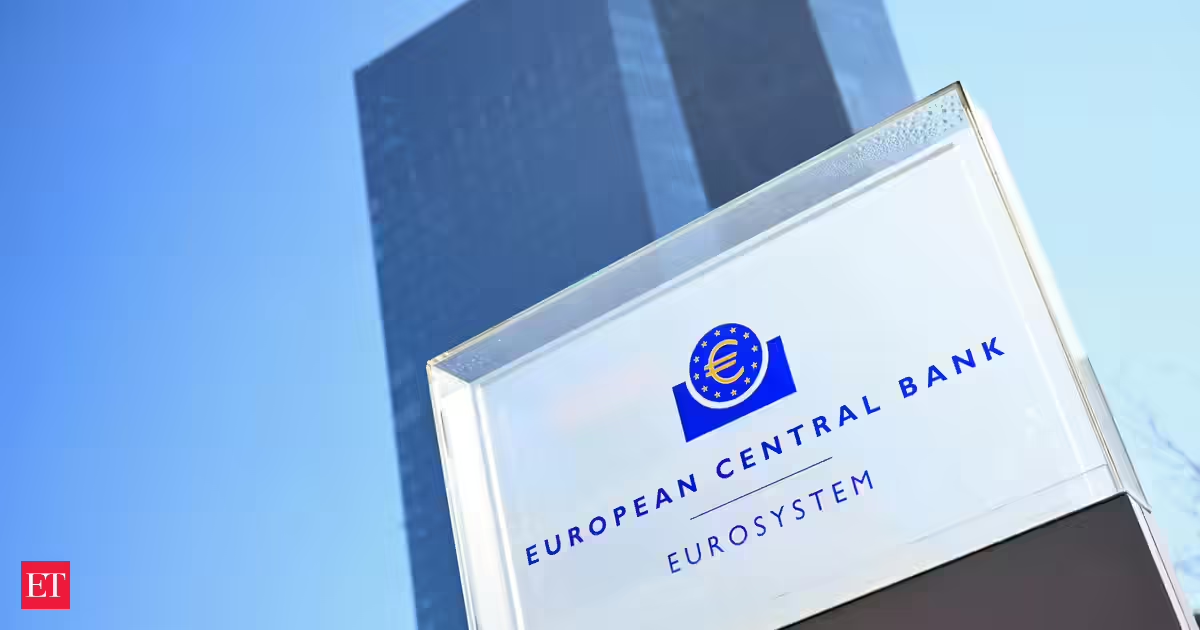
In 2021-22, the European Central Bank failed to pay sufficient heed to mounting inflationary pressures, leading to a delayed response that made matters much worse. While today’s energy-price shock remains less acute than the one caused by Russia’s 2022 invasion of Ukraine, the ECB appears committed to a more proactive response.
FRANKFURT – The sharp increase in global energy prices since the start of the Iran war has revived memories of the 2022 spike, triggered by Russia’s full-scale invasion of Ukraine, and the energy sanctions that followed. At that time, central banks failed to recognize right away the scale of the inflationary pressures being generated. By the time they did, they had little choice but to launch an abrupt and aggressive monetary-tightening cycle. Today, they seem committed not to make the same mistake.