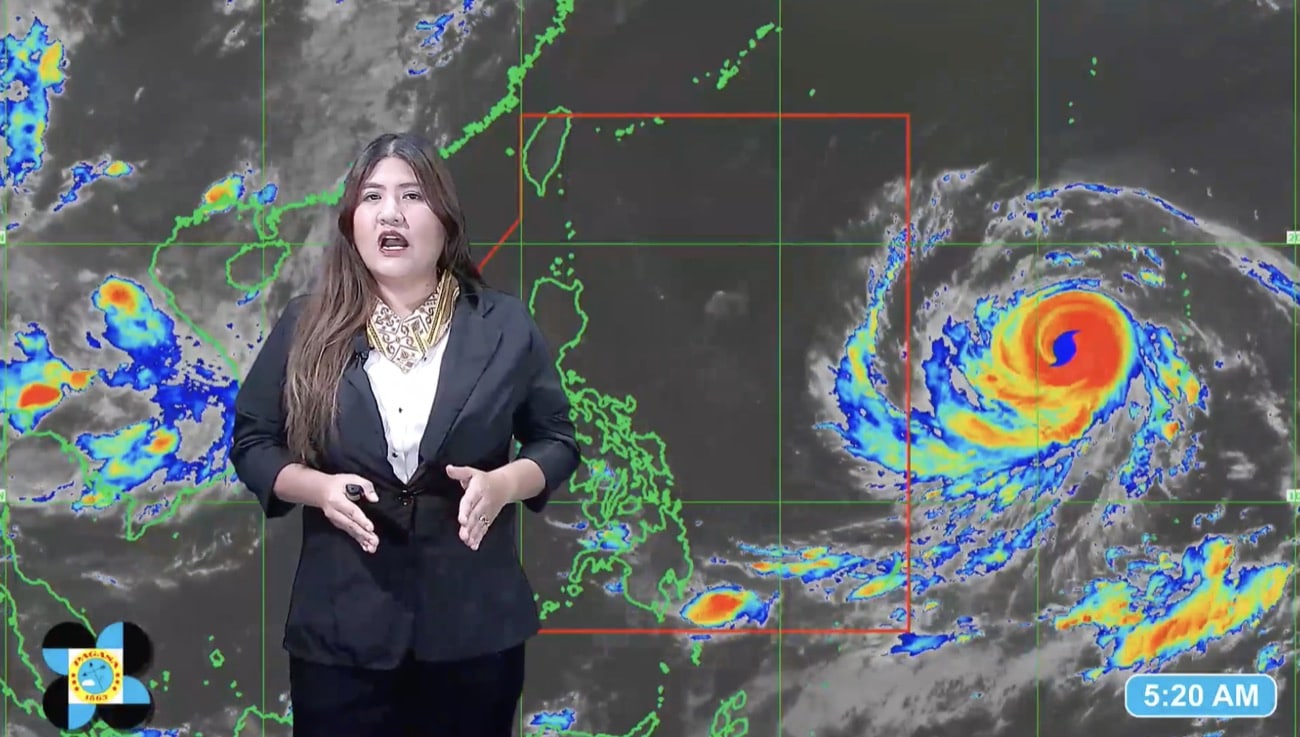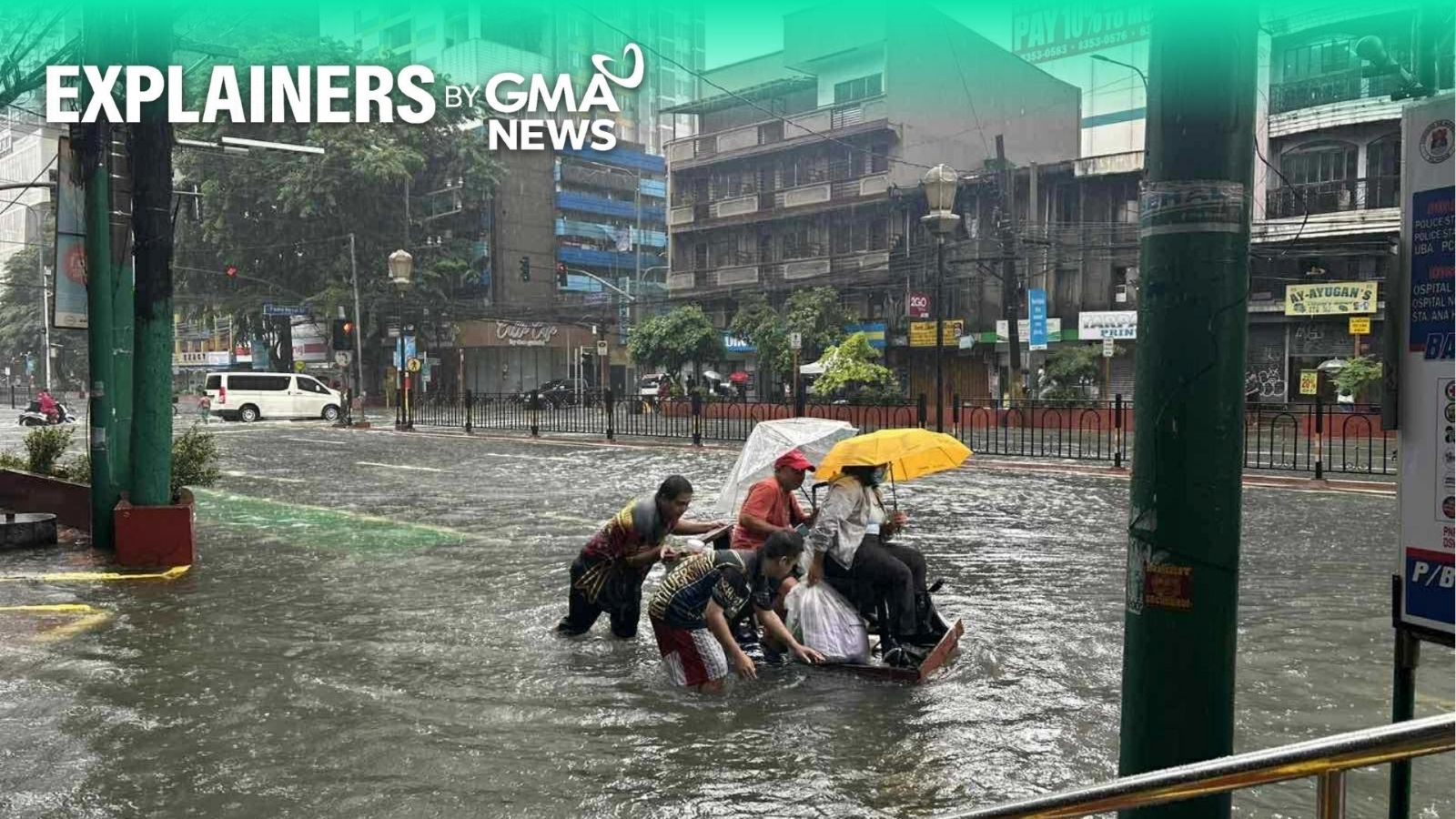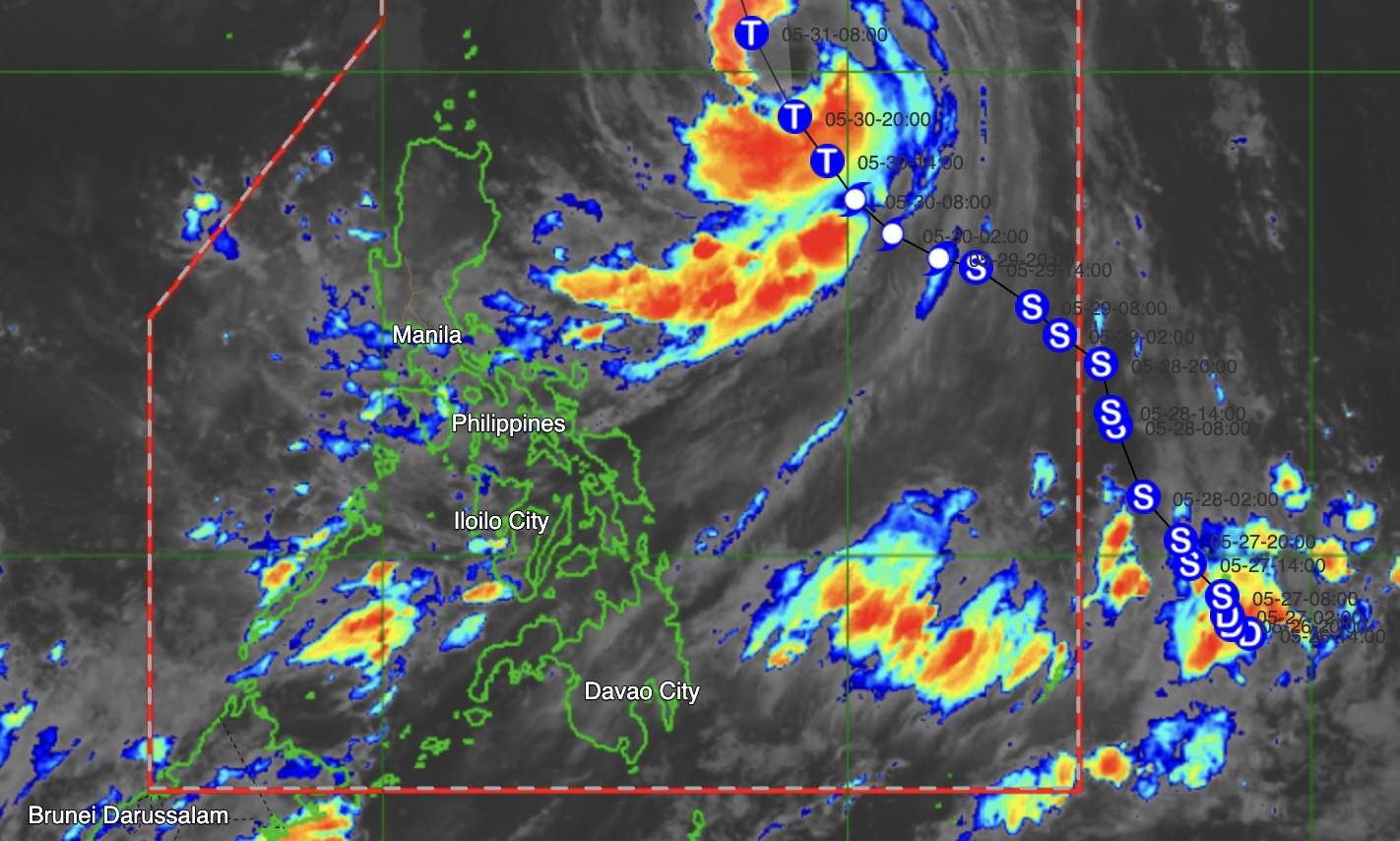
By GMA News Published June 6, 2026 12:29am + Add GMA on Google Make this your preferred source to get more updates from this publisher on Google. In August 2021, when Typhoon Saola or Typhoon Gener entered the Philippine Area of Responsibility or PAR.The typhoon did not make landfall but the effects were severe because of the southwest monsoon or habagat.The effects of the typhoon resulted to 109 fatalities and P3 billion worth of damage to properties because within only three days, the amount of rainfall reached 1,007.5 mm.After one year, Typhoon Maring entered the PAR and just like Gener, it did not make landfall.Amount of rainfallHowever, because the habagat caused flooding and landslides this resulted to 21 fatalities and about 2.5 million people were affected.In only five days, the amount of rainfall reached 1,120.2 mm.The rainfall brought about by Typhoons Gener and Maring is almost double the amount of rain caused by Typhoon Ondoy and the habagat in only four days last 2009.To better understand this, consider that 1mm of rain is equivalent to 1 liter of water per square meter.So if the rainfall is 1,000 mm, it is equivalent to one thousand liters or one metric ton of rain per square meter!What our country experienced in 2012 and 2013 and the effects of the habagat that was further strengthened by the typhoon or what is called the “enhanced habagat.”What is enhanced habagat and the danger it brings?The southwest monsoon or habagat is wind coming from the Indian Ocean and the South China Sea. This is warm wind or moist wind that brings with it heavy rains, thunderstorms and strong winds, particularly in the western section of the country.If the southwest monsoon is accompanied by a storm, this results in strong and long-lasting rains.The movement of the typhoons acts like a vacuum that pulls in the southwest monsoon, and while the wind turns, it also absorbs water vapor from the ocean.So if there are more southwest monsoon, there are longer periods of rainfall.So, even if a typhoon does not make landfall, it still becomes destructive because of the effects of the enhanced habagat.The Ateneo de Manila University, Manila Observatory and the Philippine Atmospheric, Geophysical, and Astronomical Services Administration (PAGASA) studied weather data from 1961 up to 2022.And based on this study, in the past years, there has been a larger amount of rainfall brought about by the enhanced habagat than the amount of rain brought about by a typhoon.33.1% of rainfall during the southwest monsoon season is caused by the enhanced habagat 15.4% of rainfall is directly caused by the effects of a typhoon 51.5% of rainfall is caused by the habagat alone without the presence of a tropical cyclonePAGASA warningThe state weather bureau warned that there is a bigger chance that the habagat will coincide with the Super El Niño from June up to August 2026.If there is Super El Niño or strong El Niño, there is a lower number of typhoons in the country but these are stronger and it is possible that more habagat will be drawn in.“We will have more heavy rainfall events because we will likely experience an enhanced southwest monsoon. During El Niño, the easterlies weaken and become westerlies, and there are instances when typhoons recurve during June, July, and August. When typhoons recurve, they end up pulling in our Habagat, ” said Ana Liza Solis, PAGASA Climate Monitoring and Prediction section chief. — BAP, GMA News
EXPLAINER: What is enhanced habagat and what are the dangers it brings?
Even if a typhoon does not make landfall, it still becomes destructive because of the effects of the enhanced habagat.
574 words~3 min read