The very tool being counted on to decarbonise our civilisation is fast becoming one of the most power-hungry infrastructure networks on Earth.
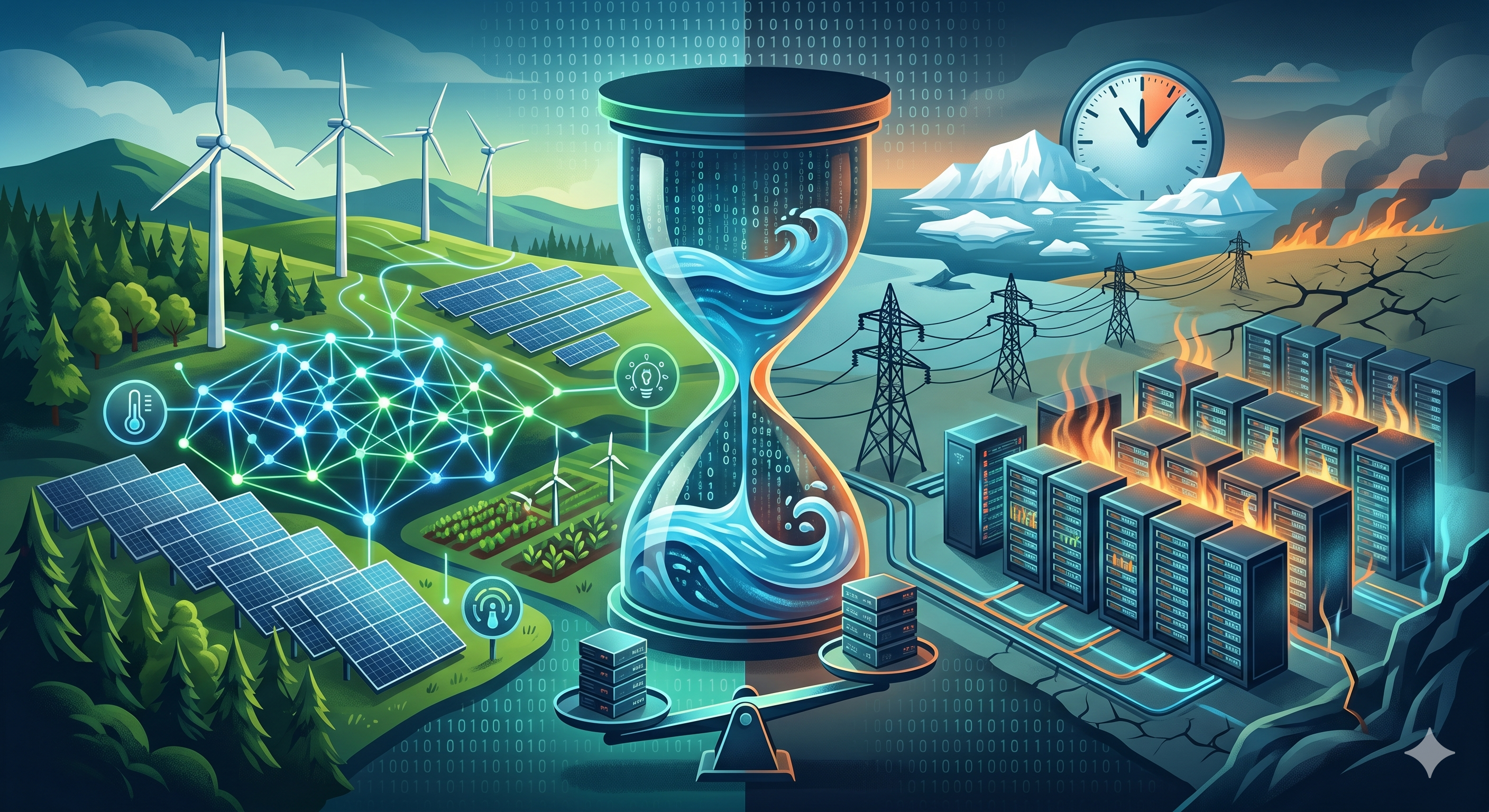
World Environment Day 2026, today, 5 June, focuses on climate change, highlighting the urgency of sustained climate action. The clock is ticking towards the 2030 targets of the Paris Agreement on climate change but are we really winning the climate war and moving fast enough? In this moment of panic, some voices in Silicon Valley are offering a deus ex machina (a god from a machine): artificial intelligence (AI).
We live in an era of spectacular technological irony. We are told that machine learning is the missing puzzle piece that will improve our fractured energy grids, discover next-generation super-batteries and carbon-negative concrete and rewrite the rules of photosynthesis through precision agriculture. However, the reality is different.
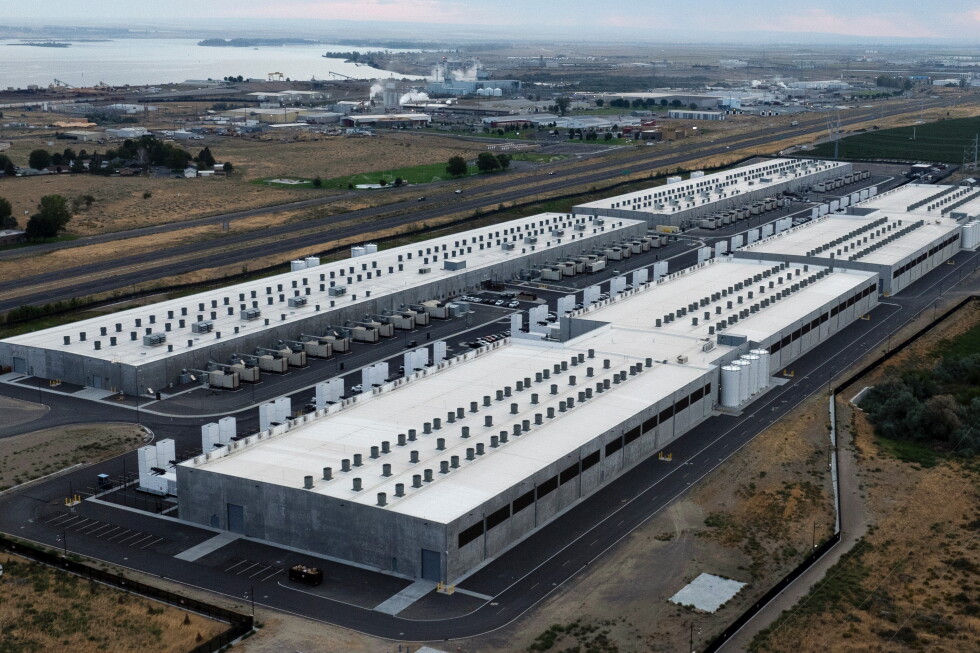
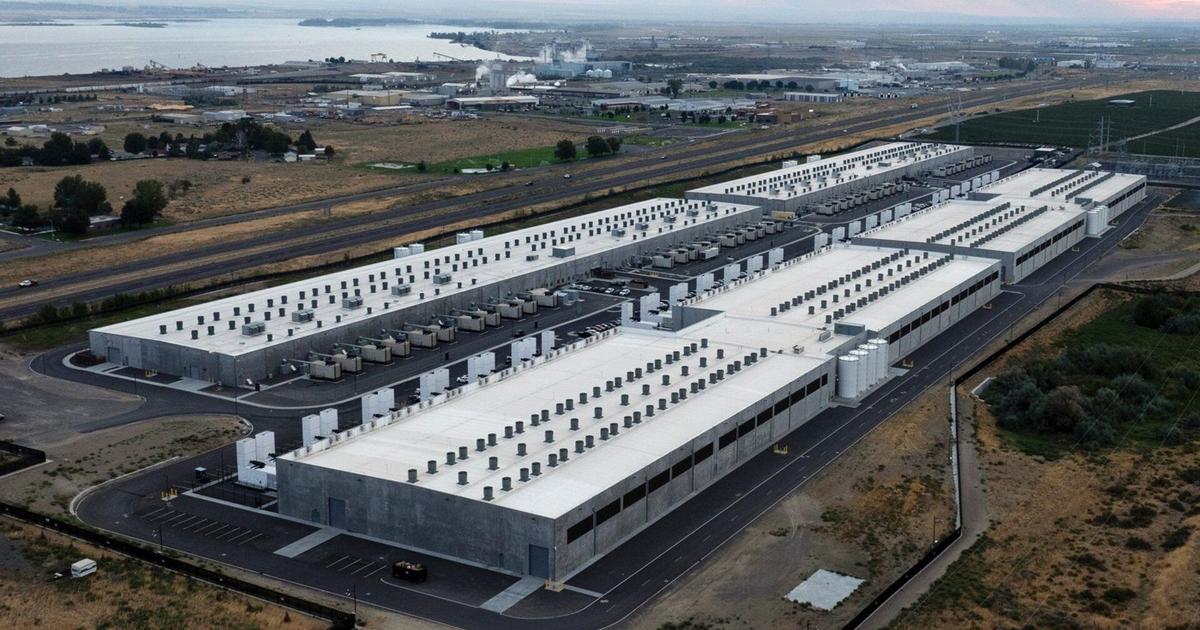
Global data centres are projected to consume upwards of 1 050 terawatt-hours of electricity this year alone, a footprint rivalling the total energy consumption of industrialised nations like Japan. The very tool being counted on to decarbonise our civilisation is fast becoming one of the most power-hungry infrastructure networks on Earth. Yet dismissing AI as a climate villain is to miss one of the most consequential opportunities of the decade.