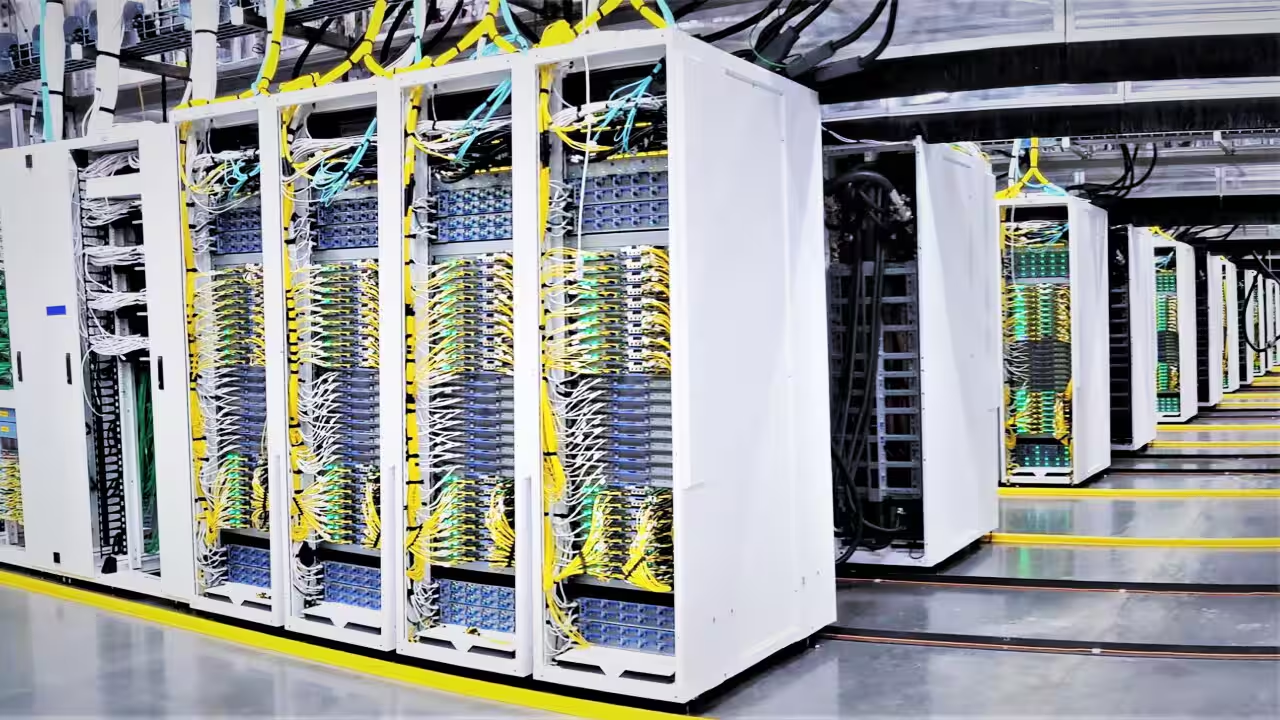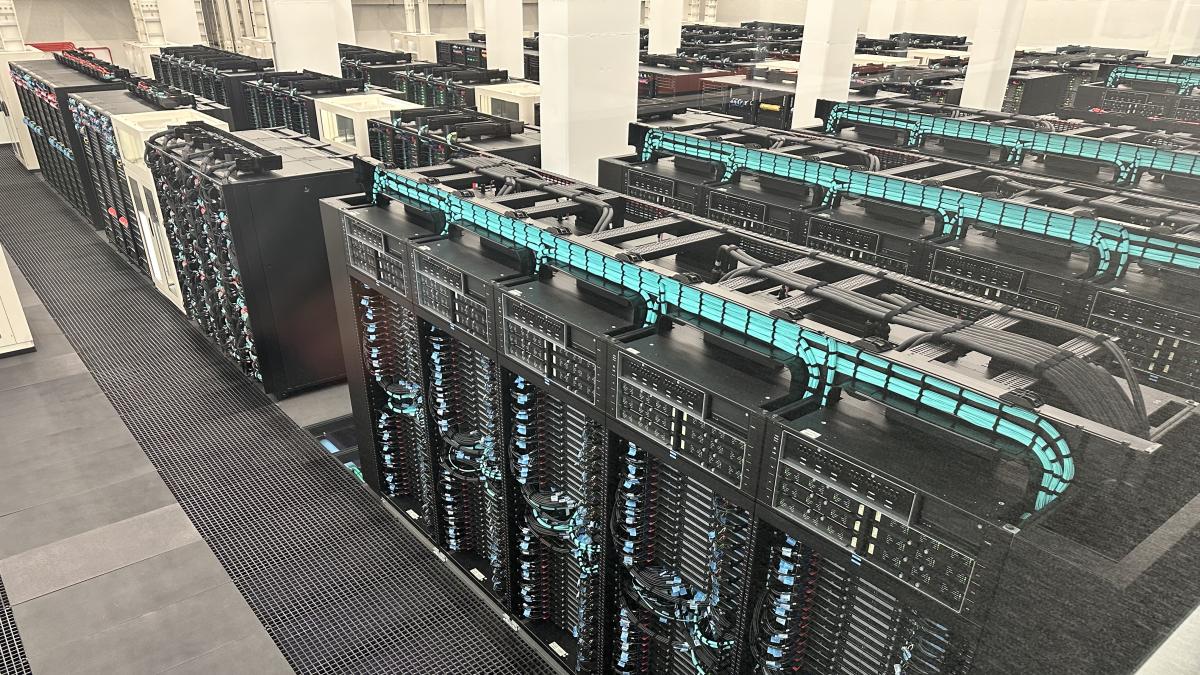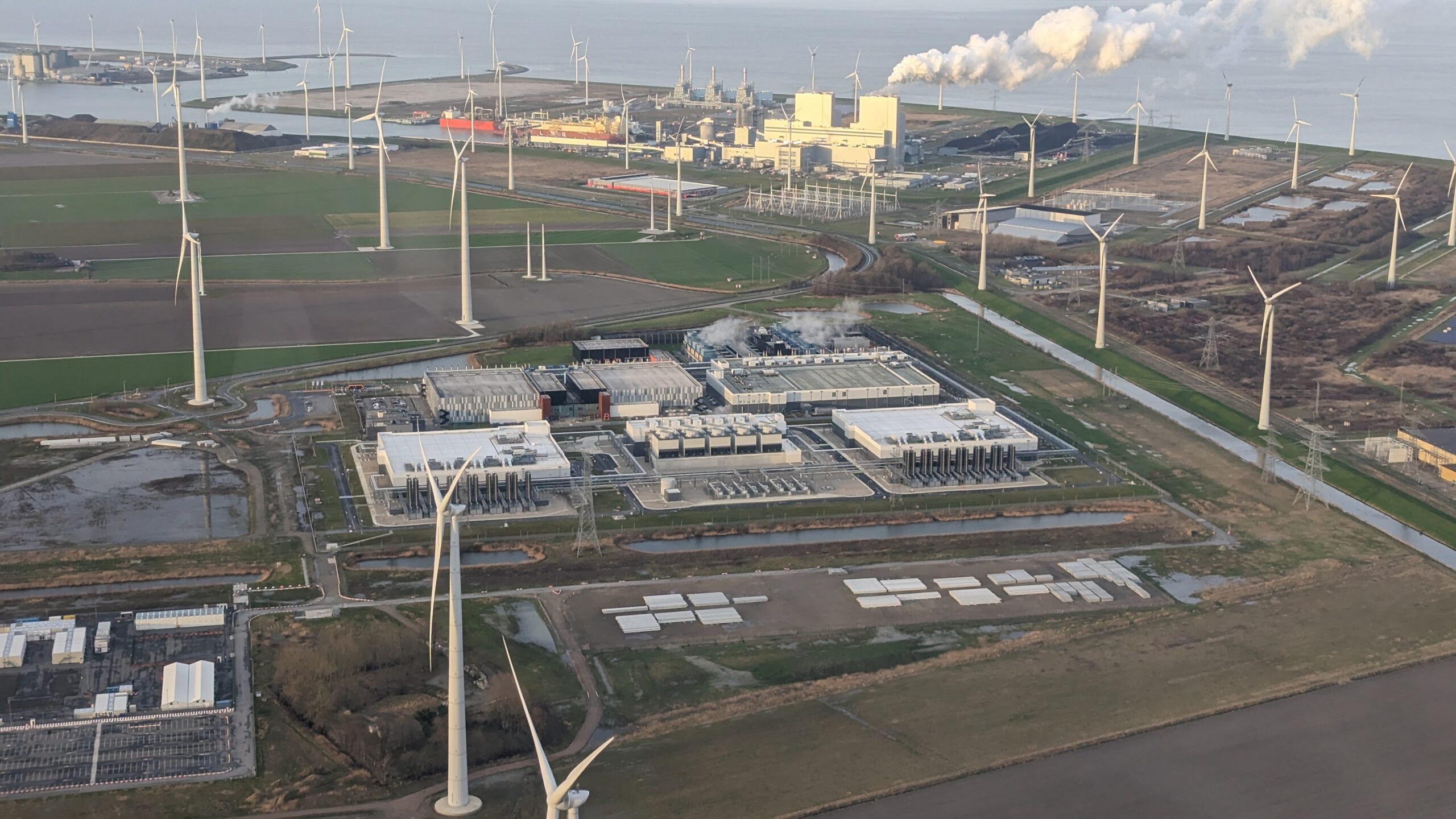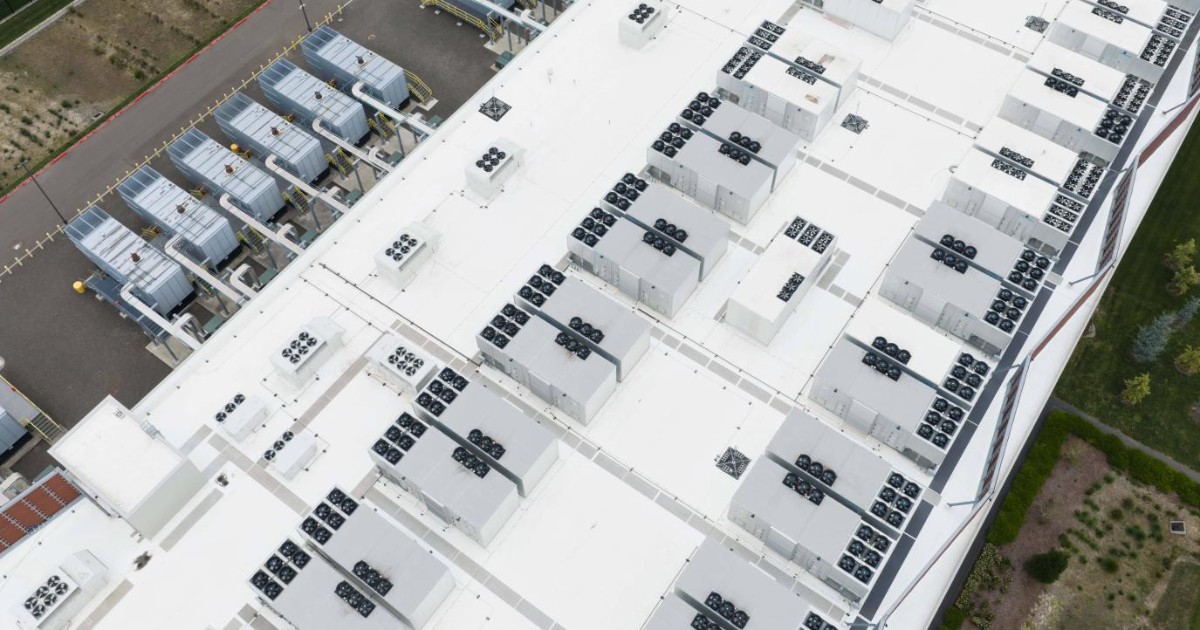
Artificial intelligence could by 2030 consume nearly 3 per cent of the world's electricity, produce carbon emissions comparable to everything the United Kingdom emitted last year, use enough water to quench the thirst of every person on Earth for more than a year and a half, and generate electronic waste equivalent to discarding 250 Eiffel Towers annually.Those are the findings of an alarming new report published on Wednesday by the UN University Institute for Water, Environment and Health, which said it had come up with the most comprehensive assessment yet of AI's environmental costs so far.While most of the calculations around the impact of AI on the climate were centred around carbon emissions, researchers say it tells only part of the story. And cutting emissions alone may not significantly reduce AI’s environmental harm. "Low-carbon is not automatically low-water or low-land," the report states, "and evaluating sustainability through a single metric can hide trade-offs and shift burdens onto places already facing water stress or land pressure."Data centres – the vast warehouse-like facilities filled with servers and cooling systems that run continuously to power AI – consumed an estimated 448 terawatt-hours of electricity in 2025, roughly on par with France's entire national consumption. A terawatt-hour is one billion kilowatt-hours, the unit used on household electricity bills. AI workloads accounted for around 20 per cent of that total. If that share rises to the expected 40 per cent by 2030, AI-related electricity use could reach 374 terawatt-hours. On current trajectories, the report projects it could roughly double to 945 terawatt-hours – enough to power all 1.3 billion people in Sub-Saharan Africa for over five years. The land required to generate that electricity would exceed 14,000 square kilometres, roughly the area of Northern Ireland.The water consumed in cooling that infrastructure also adds another challenge. Data centres used an estimated 9.3 trillion litres in 2025 – a figure the report found would meet the drinking water needs of the world's 8.1 billion people for approximately 1.6 years. Even where some of that water is returned to the environment, large-scale withdrawals strain aquifers and river systems, particularly in regions already running short. In the Netherlands, a large data centre drawing heavily on water supplies during a drought year prompted opposition from local farmers.Protesters hold signs in front the of the Utah State Capitol building to oppose the construction of the Stratos data center in Box Elder County (Getty)Training a single large AI model such as ChatGPT-5 requires around 100 gigawatt-hours of electricity, equal to the annual residential power consumption of 770,000 people in Sub-Saharan Africa, along with an estimated one billion litres of water and a land footprint covering roughly 215 football fields. But the report found that the environmental cost of training, large as it is, has been overtaken by the cost of daily use. ChatGPT alone processes an estimated 2.5 billion prompts per day. A conventional Google search uses about 0.3 watt-hours of electricity, while an AI-enhanced generative search uses up to 3 watt-hours, a tenfold increase, applied across an estimated 5 trillion searches a year.The choices users make affect those numbers more than is widely understood, the report found. Switching to a concise response mode can reduce ChatGPT's output by 30 per cent, saving 87 to 98 gigawatt-hours of electricity per year, equivalent to the annual residential electricity of nearly 760,000 people in Sub-Saharan Africa. Removing pleasantries, not saying please or thank you, makes prompts more concise and reduces the cumulative footprint at scale.The rising popularity of AI-generated videos is becoming a major concern for the environment, the study says. A single high-resolution AI video clip requires more than 415 watt-hours of electricity, more than generating hundreds of AI images. AI videos have also been improving rapidly in quality. But as resolution and frame count increase, energy requirements also rise exponentially. Video generation has become embedded in the mainstream social media platforms, with sites encouraging users to create and post more AI videos as part of viral trends. The report warns that this is becoming an infrastructure-scale problem. Professor Alistair Knott of the Centre for Data Science and AI at Victoria University of Wellington, who was not involved in the report, said while the study calls out growing investments by AI companies, it fails to call out that AI companies depend on increased growth of the AI market for their own survival."The only way companies can survive is to grow the market for AI products at an ever-increasing pace, but that's not necessarily what the world needs,” he said. “Governments, elected by citizens, are better placed to make the right decisions about how much AI we need, and to trade this need off against environmental impacts."Photo shows Douglas county servers (UN University Institute for Water, Environment and Health)The report found that powering data centres with renewable energy does not automatically make them sustainable. Switching from coal to bioenergy can reduce the carbon footprint of electricity generation by 72 per cent, but the water footprint of bioenergy is on average more than 30 times greater than that of coal, and its land footprint is 100 times greater. For example, Brazil's hydro-powered grid produces electricity 77 per cent below the global carbon average, but its water and land footprints are nearly triple the global mean.In Ireland, data centres now account for 21 per cent of the country's total metered electricity, up from 5 per cent a decade ago, exceeding all urban household consumption combined. Researchers say it's a result of AI infrastructure growth outpacing energy planning. The national grid operator has paused new approvals around Dublin until 2028. Professor Te Taka Keegan of the AI Institute at the University of Waikato, also not involved in the report, said the concentration of infrastructure raised environmental justice concerns. "The environmental burden falls hardest on communities least likely to capture the benefits," he said. "As AI is embedded into everyday platforms and switched on by default whether users choose it or not, that footprint compounds at scale."Researchers are urging governments to start factoring AI infrastructure into water and energy planning. While tech companies should also include environmental lens in planning for the new features they deploy. "Technological advancement must remain environmentally manageable," the authors write. "Real progress depends on embedding sustainability at every level, from hardware and model design to deployment, governance, and public use."
The terrifying projections for how much land and water AI will need by 2030
AI infrastructure could produce as much carbon emissions as the whole of the UK by the end of this decade, report warns
1,057 words~5 min read