AI infrastructure could produce as much carbon emissions as the whole of the UK by the end of this decade, report warns


La infraestructura de IA podría generar hasta 2,5 millones de toneladas métricas de residuos electrónicos al año, lo que equivale aproximadamente a los desechos de 250 Torres…

AI infrastructure could produce as much carbon emissions as the whole of the UK by the end of this decade, report warns

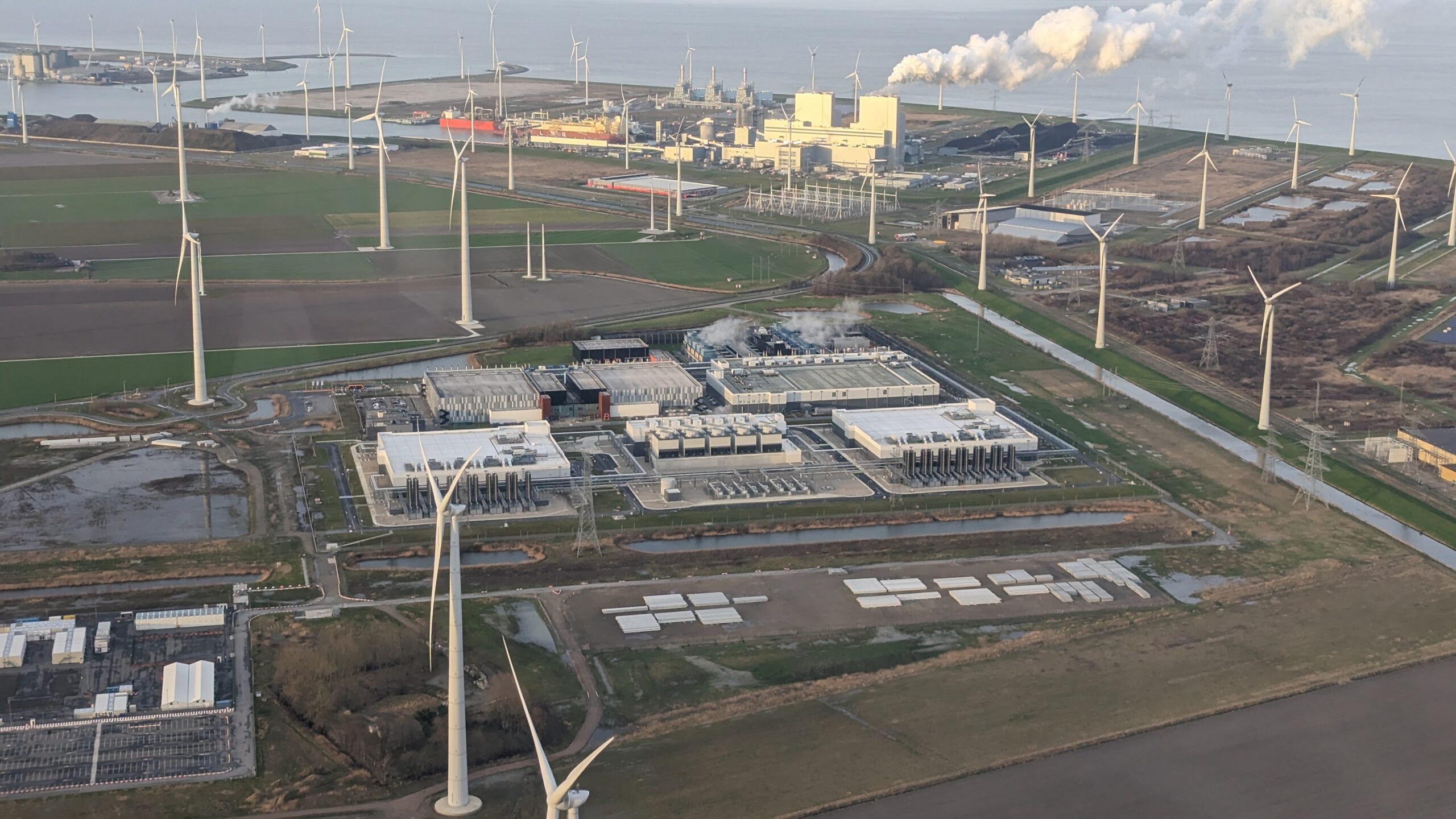
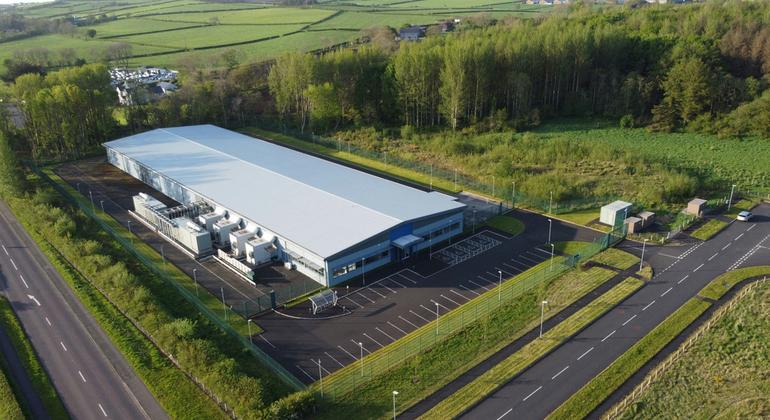
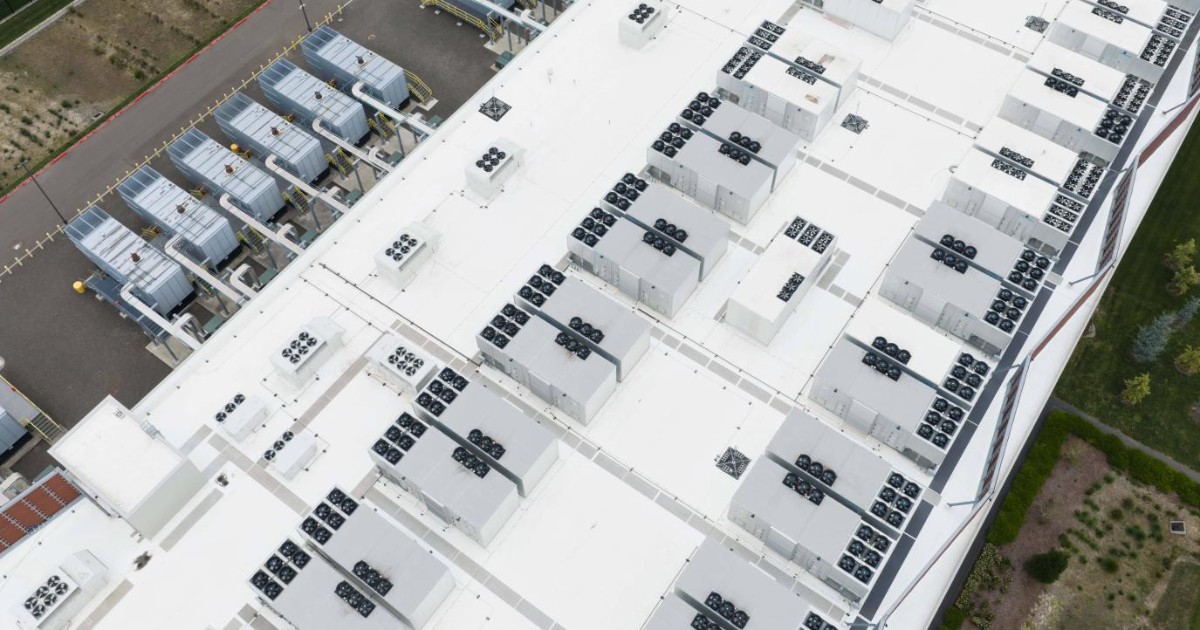
AI data centres are energy-hungry and resource-intensive, requiring huge amounts of electricity generation, cooling systems, land and water supplies

A new U.N. report warns AI’s environmental cost is often mismeasured.

Un rapporto dell'Onu chiede una guida globale responsabile (ANSA)

A United Nations report has highlighted the vast and growing demand that artificial intelligence is placing on the world.

Un informe de Naciones Unidas revela que la infraestructura detrás de los modelos de lenguaje amenaza los recursos hídricos mundiales y triplicará la demanda eléctrica de varios…

As AI models become cheaper and more attractive, they will likely encourage new uses and higher volumes of use – erasing any efficiency gains.

Secondo un rapporto ONU, entro il 2030 l'Intelligenza Artificiale potrebbe consumare acqua equivalente al fabbisogno di 1,3 miliardi di persone e 945 terawattora di elettricit�.…

AI could soon generate electronic waste equivalent to throwing out 250 Eiffel Towers every year

L’intelligenza artificiale non consuma solo elettricità. Consuma acqua, suolo, minerali critici e produce rifiuti elettronici. Quanti? È la domanda cui punta a rispondere il nuovo…

UN researchers warn that AI will double data centre power and water consumption by 2030, straining environmental resources.

AI's rapid growth is driving major water, energy, land and e-waste impacts, raising environmental justice concerns worldwide

Artificial Intelligence is not only responsible for worrying amounts of earth-warming greenhouse gases: the technology's environmental footprint is also expanding at a pace that…

UN report warns AI could sharply raise global energy, water and carbon use by 2030, driven by rising demand and Jevons paradox effects.

One argument often used to quell concerns about the rising energy and resource demand of data centers is that artificial intelligence (AI) models will need less in the future as…

Dal rapporto ONU: l'IA rischia di consumare quanto la Francia intera. E non è solo questione di CO₂.