After surviving a complicated pregnancy that led to heart failure in November 2023, Ms Jane Chambers was told four months after giving birth that her heart was functioning at only 28 per cent capacity. Diagnosed with preeclampsia during pregnancy, she had fluctuating blood sugar levels and rapid weight gain. By the time she gave birth prematurely at 35 weeks, she weighed about 120kg."I was so worried because I just had a newborn. I did not want to die," the 40-year-old Singaporean told CNA TODAY.During her postpartum recovery, she was later referred to an endocrinologist, who saw fit to prescribe her Ozempic.
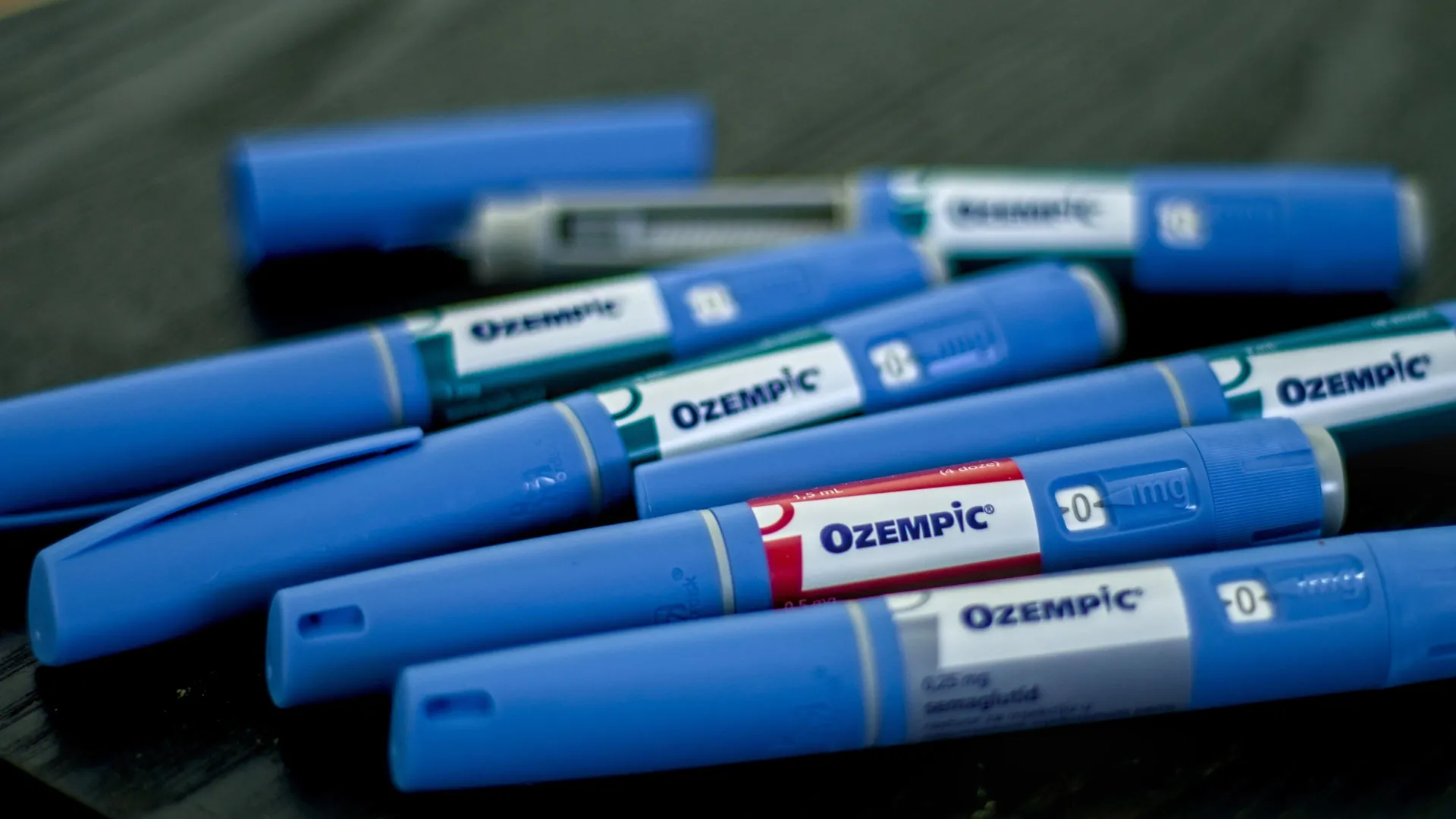
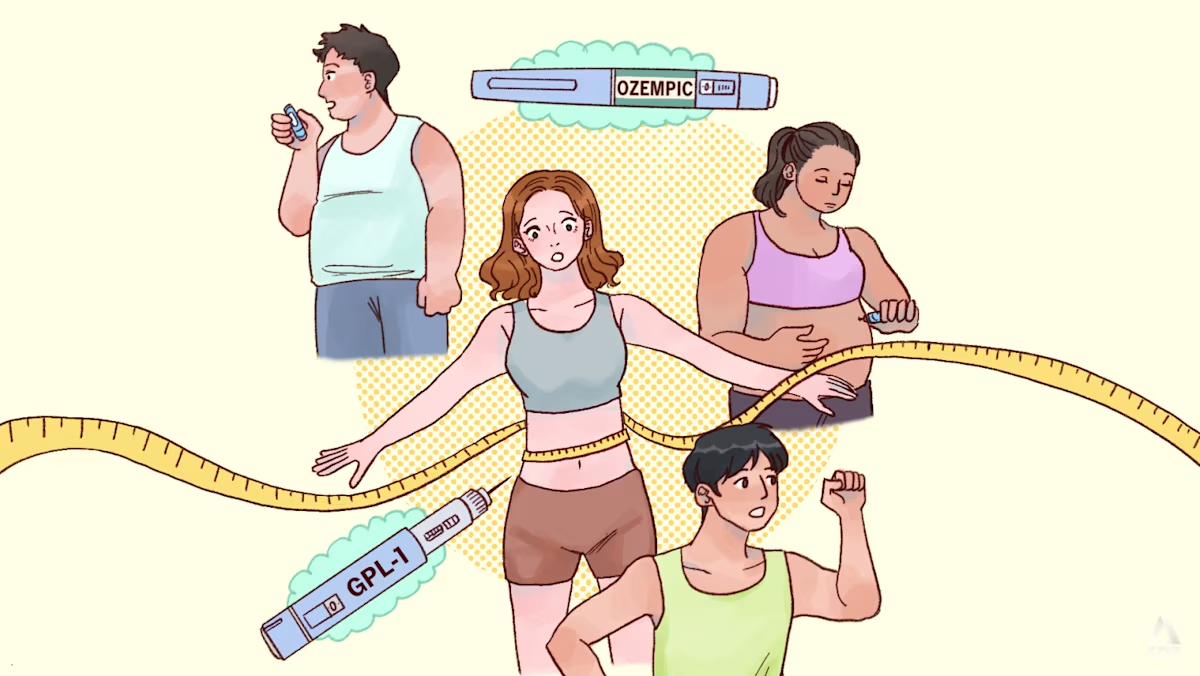
It is a GLP-1 medication, a type of drug that mimics a hormone involved in appetite regulation, originally developed for the treatment of Type 2 diabetes. Now, it is also used to treat obesity and support weight loss. At 1.6m tall, Ms Chambers, who works as the head of marketing at a golf travel platform, described herself as "massive" at the time. Before becoming pregnant, she weighed about 82kg and had long struggled with polycystic ovary syndrome (PCOS), a condition associated with insulin resistance and weight gain.After taking Ozempic, she found herself eating much smaller portions at meals and often skipping lunch because she was not as hungry as before. Eventually, this also led to her blood sugar stabilising and her energy levels improving. While she is still on heart medication, she said that she can breathe more easily and is no longer dependent on inhalers as she used to be. For Ms Chambers, getting on Ozempic had little to do with vanity – her doctor even told her that she was at risk of a heart attack if she did not lose weight.However, her experience is not one that most people would associate with Ozempic.On social media and in popular culture, Ozempic and similar GLP-1 medications have increasingly been portrayed as a shortcut to weight loss, closely associated with transformations among famous personalities and before-and-after photos that go viral online.