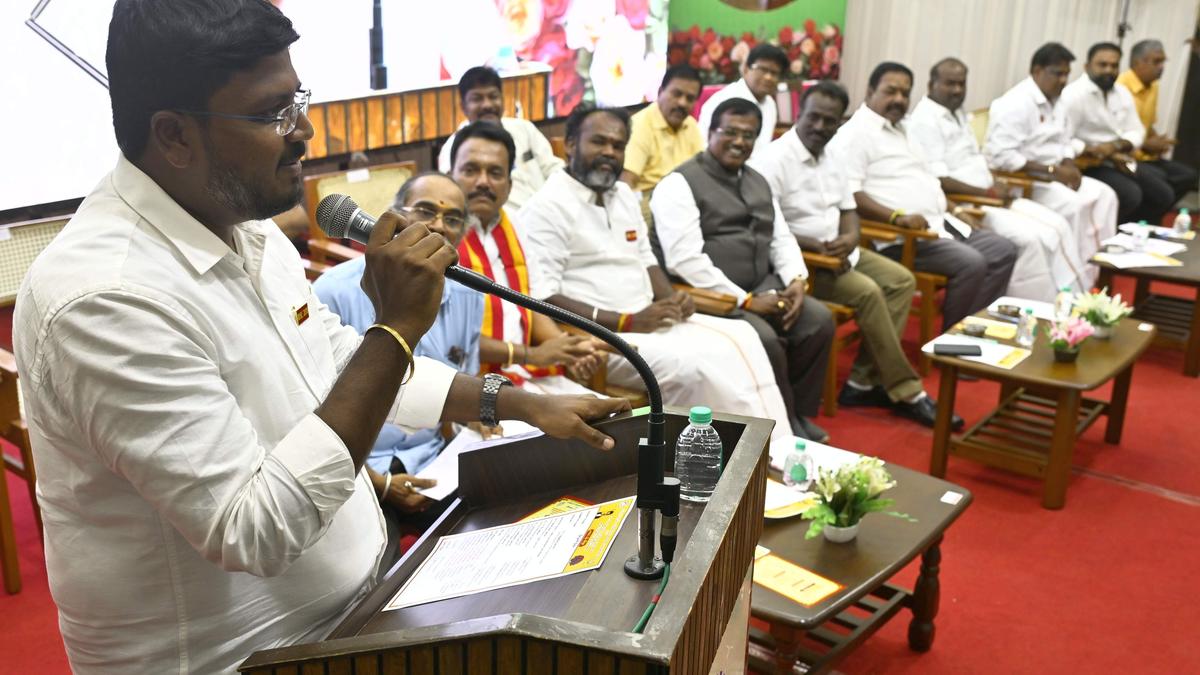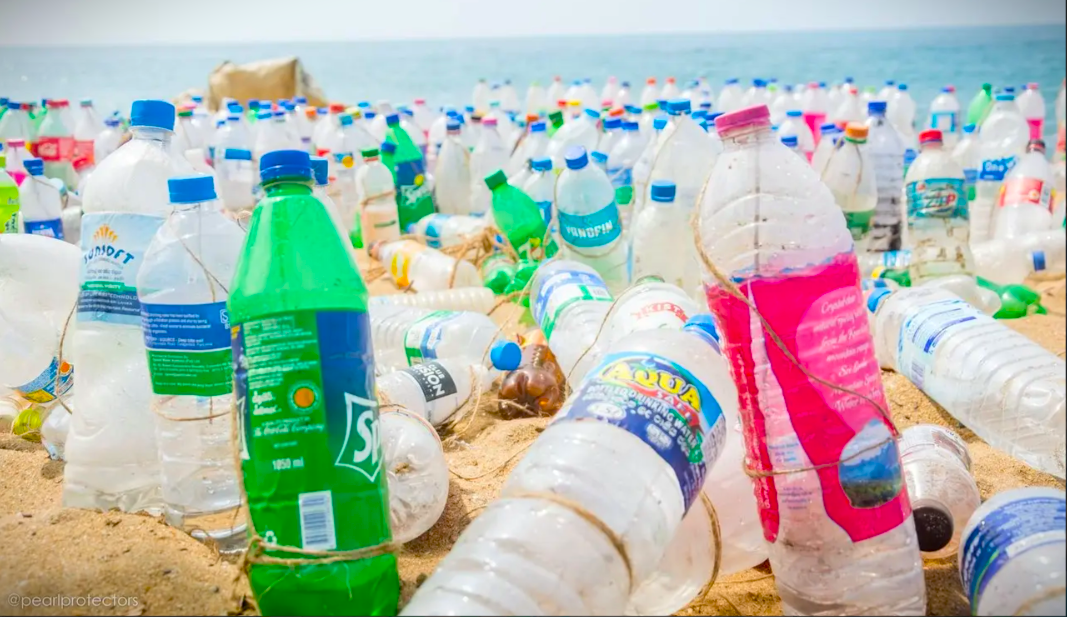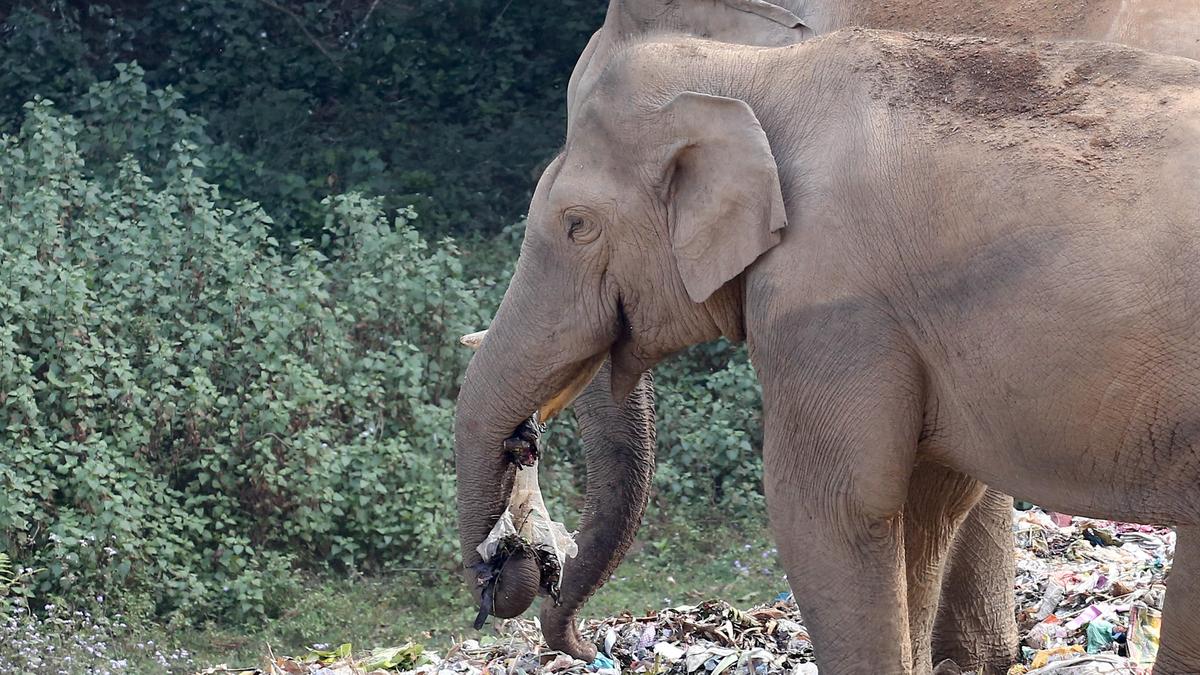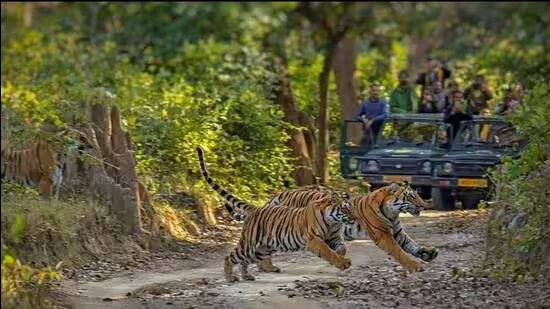
Uttarakhand’s Corbett Tiger Reserve administration has decided to ban the use of plastic water bottles across all tourism zones from October this year as part of an initiative to make the reserve plastic- and pollution-free, forest officials said.Tourists visiting Corbett from the new season will receive drinking water in glass bottles under the reserve’s plastic-free initiative.The announcement was made by Corbett Tiger Reserve director Saket Badola on the occasion of World Environment Day.According to officials, the ban will come into force with the commencement of the new tourism season after the monsoon period. In place of plastic bottles, tourists visiting the reserve will be provided drinking water in reusable glass bottles.Badola said the initiative is aimed at reducing plastic waste and preserving the reserve’s fragile ecosystem.“Tourists require clean drinking water while visiting Corbett and generally depend on plastic bottles for this purpose. Although arrangements already exist to ensure that such bottles are carried out of the park and disposed of properly, the use of plastic has not been completely eliminated,” Badola added.As part of the initiative, preparations are underway to establish a bottling plant within Corbett Tiger Reserve. Purified drinking water will be filled into glass bottles at the facility and supplied to tourists at entry gates before they begin their safari, officials said.Tourists will be allowed to carry the glass bottles during jungle safaris and return them at designated collection centres upon exiting the reserve, officials added.To ensure the smooth functioning of the system, the administration plans to introduce a deposit-refund mechanism. “Tourists will be charged for the drinking water and the glass bottle at the entry gate. If the bottle is returned in good condition after the safari, the deposit amount for the bottle will be refunded. This will encourage visitors to preserve and return the bottles while enabling their repeated use,” said Badola.“The Corbett administration has been striving to make the park area plastic-free for a long time. Most tourism zones are already largely free of plastic, and the department has achieved significant success in this regard. We expect the reserve to become almost entirely plastic-free from the new tourism season,” Badola added.
Corbett Tiger Reserve to ban plastic water bottles across all zones from October
Corbett Tiger Reserve will replace plastic water bottles with reusable glass bottles from October to reduce waste and protect its fragile ecosystem. | India News
356 words~2 min read