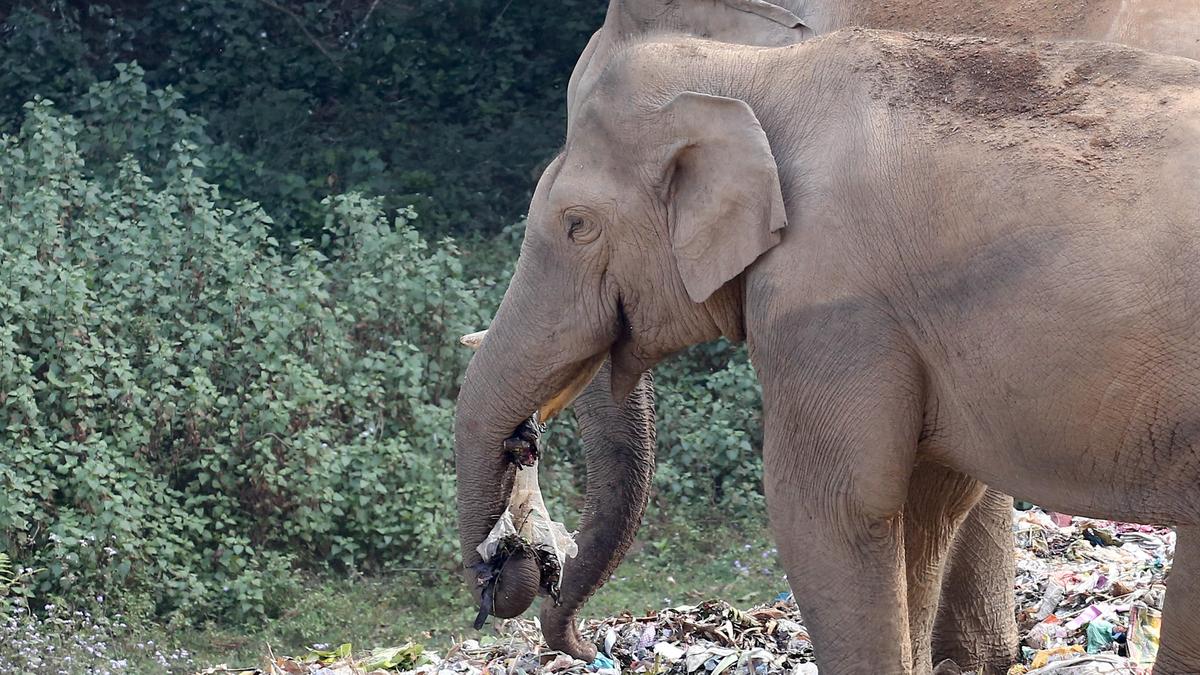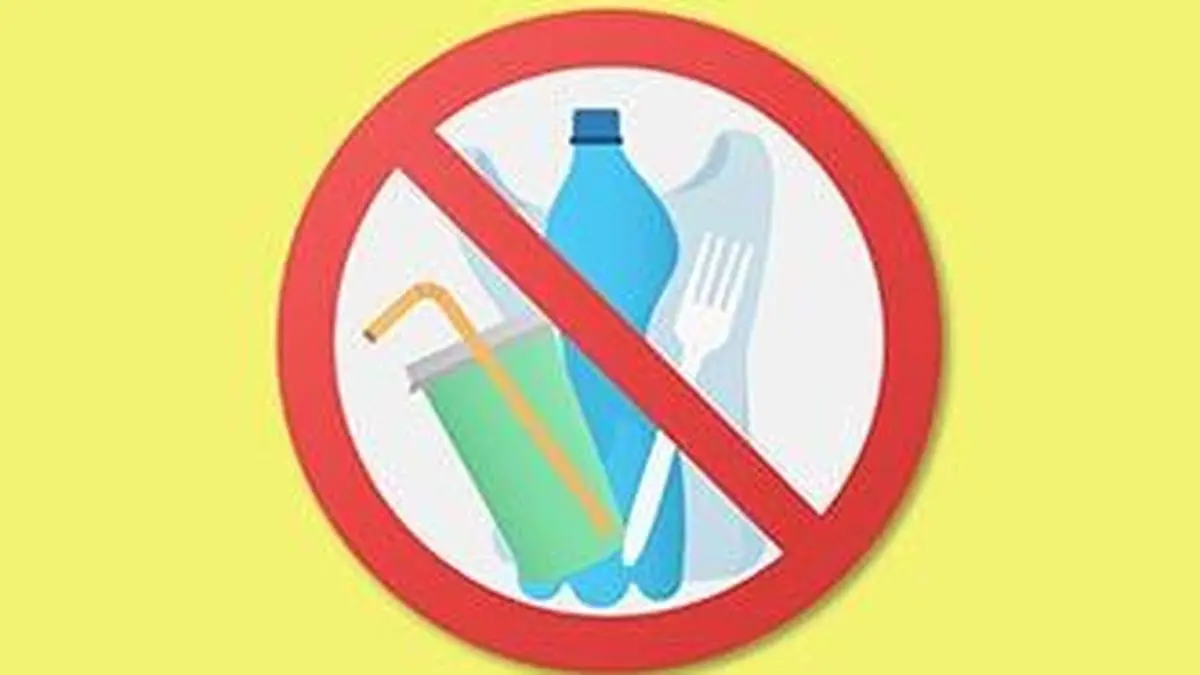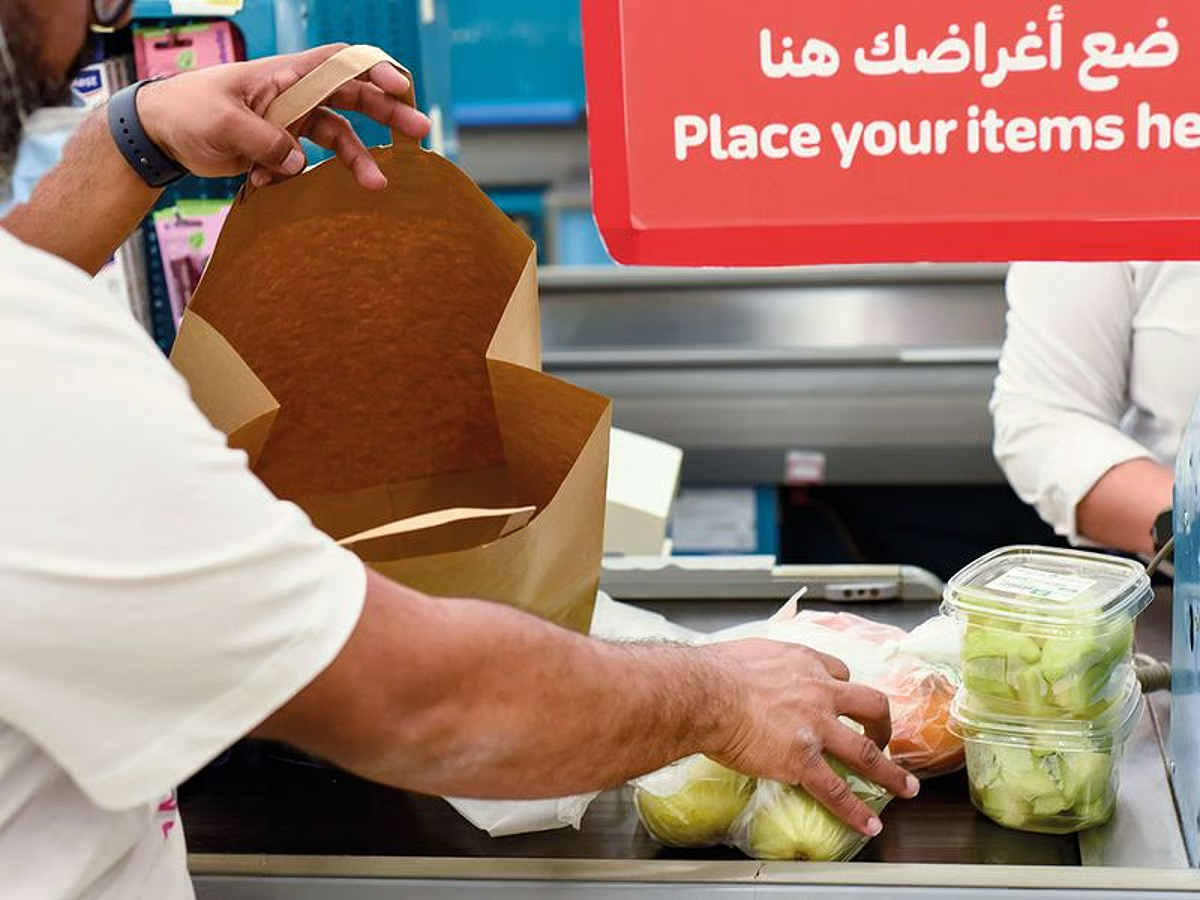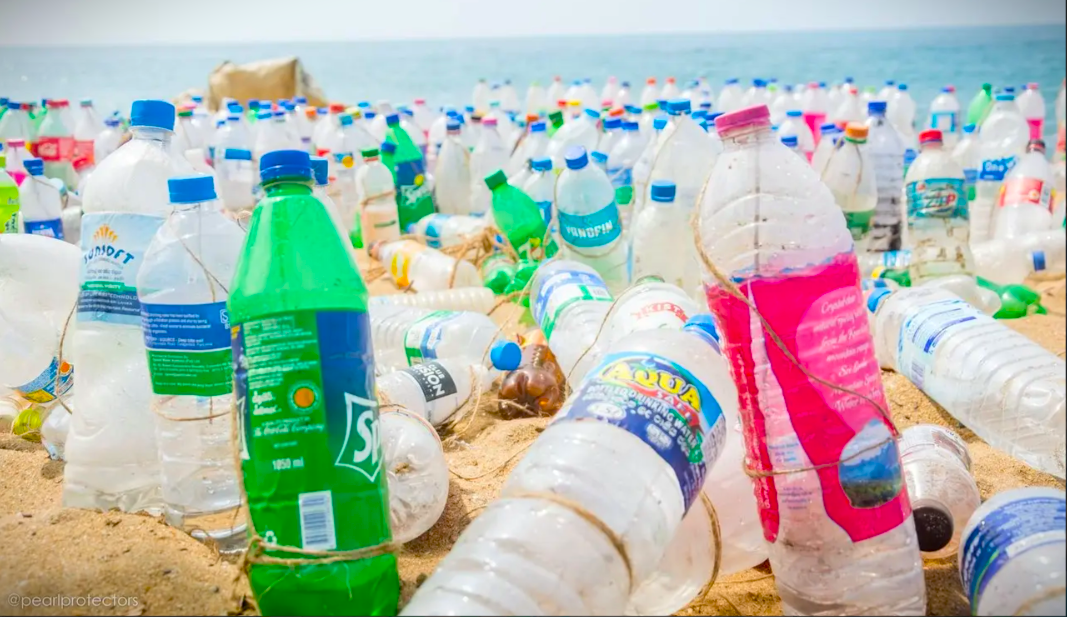
In a bid to control the excessive use of plastic bottles, Sri Lanka banned single-use plastic water bottles at government institutions effective May 31 and recently introduced a mandatory fee for polyethylene shopping bags to discourage their use.The Indian Ocean island generates an estimated 250,000 metric tons of plastic waste annually, but only a small fraction is recycled, with much of the waste ending up in landfills, waterways and the ocean.Environmentalists say Sri Lanka has introduced several plastic bans over the years, but weak enforcement, poor recycling infrastructure, and consumer dependence on disposable products continue to undermine progress.Experts warn that lasting solutions will require stronger implementation, better waste management systems, a shift toward reusable alternatives and a circular economy.
COLOMBO — Sri Lanka banned the purchase and use of single-use plastic water bottles in all government institutions effective May 31, under a new government circular that targets reduction of wasteful plastic consumption within the state sector.
The move is the latest in a long line of attempts by the island nation to reduce plastic pollution — a crisis that clogs waterways, pollutes beaches, harms marine life, and overwhelms the country’s fragile waste management systems. But environmentalists say the real question is not whether Sri Lanka can announce another ban, but whether it can be enforced.